Your period hasn’t come in two months, and the pregnancy test keeps saying no.
Your jeans feel tighter, your energy dips mid-afternoon and you can’t tell when your next cycle will start.
So you ran keto for a season, cut dairy, stirred inositol powder into your morning coffee and saved a “PCOS diet” plan somebody sold you online.
The powders weren’t cheap, the cheese stayed off the table and your period arrived on its own schedule anyway.
In this article, we review all the evidence on the anti-inflammatory diet for PCOS: what to eat, what to limit and which rules you can drop.
What is an anti-inflammatory diet for PCOS (PMOS)?
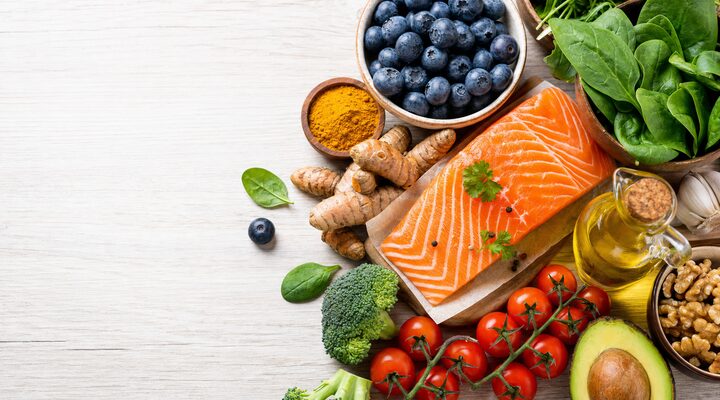
An anti-inflammatory diet for polycystic ovary syndrome (PCOS), the condition now renamed PMOS (polyendocrine metabolic ovarian syndrome), is a way of eating that aims to calm chronic low-grade inflammation, improve insulin resistance and keep blood sugar steady. It is built on vegetables, legumes, whole grains with a low glycemic index (GI), whole fruit, oily fish, nuts, seeds and olive oil, close to a Mediterranean diet. It limits sugar, refined grains, fried and processed food and red meat.
The diet does not cure PCOS, which has no cure, and it works alongside your medical treatment.
In May 2026, 56 medical and patient organizations agreed on PMOS as the new name for polycystic ovary syndrome. The old name wrongly pointed to ovarian cysts and hid the hormonal and metabolic side of a condition that affects 1 in 8 women. Both names will be in use during a three-year transition.
“Metabolic” is now part of the name, and metabolism is exactly what food reaches. This article uses PCOS, because it’s still the name most people know.
How inflammation and insulin resistance drive PCOS symptoms
PCOS comes with chronic low-grade inflammation and, in most women, insulin resistance. Both feed the high androgen levels behind many of its symptoms. What you eat can influence both inflammation and insulin resistance.
- Inflammation: levels of C-reactive protein, a blood marker of inflammation, were 96% higher in women with PCOS than in women without it.
- Insulin resistance: your cells respond less to insulin, so your body makes more. In a small study, 75% of lean women with PCOS and 95% of those with overweight were insulin resistant. Insulin also acts on ovarian hormone production.
- Androgens: higher than normal androgens, often called male hormones, cause irregular periods, problems with ovulation, extra facial or body hair and acne.
Endometriosis is another condition where low-grade inflammation shows up; see the anti-inflammatory diet for endometriosis.
What the research shows for each diet and food
No single diet has been proven best for PCOS: the 2023 international guideline found no evidence that any type of diet works better than another. The trials below track changes such as weight, insulin, testosterone and menstrual cycles.
The strength of evidence matters as much as the finding: a single small trial carries less weight than a result repeated across trials. Several diets and a few foods have been tested in small trials, and the table shows what changed and how strong the evidence is.
| Diet or food | What studies found | Strength of evidence |
|---|---|---|
| Mediterranean diet | In women with PCOS, closer Mediterranean eating went with lower testosterone; in a 12-week trial, a lower-carb Mediterranean diet beat a low-fat diet on weight, testosterone and insulin | Promising: one small trial plus one observational study |
| Low-glycemic-index diet | Lowered fasting blood sugar and insulin resistance and reduced free androgens across randomized trials | Moderate: several small trials |
| DASH diet (Dietary Approaches to Stop Hypertension) | Ranked best for insulin resistance among 10 diets compared in 19 trials; in an 8-week trial it also lowered a blood marker of inflammation | Moderate: several small trials |
| Anti-inflammatory diet | Over 12 weeks, with exercise and fewer calories: about 7% weight loss, less inflammation and 63% of the women got regular cycles back | Weak: no comparison group |
| Ketogenic diet | More weight loss and better insulin than other diets in small studies, mostly in women with overweight; results varied widely | Early: small, short studies |
| Gluten-free diet | Never tested in women with PCOS | No studies |
| Omega-3 supplements | Improved insulin resistance and lowered cholesterol and triglycerides across 9 trials | Moderate: tested as supplements only |
| Dairy | No trial has tested cutting it; the DASH diet, which includes low-fat dairy, improved insulin | Mixed: no direct trials |
| Spearmint tea | Two cups a day for 30 days lowered testosterone in 42 women; hair growth didn’t change on the doctor’s scale | Early: one small trial |
| Coffee | No trials; in one small Spanish study, women who drank more coffee were less likely to have PCOS | Weak: one small study |
| Cinnamon supplements | Lowered fasting blood sugar and insulin resistance across 12 trials; weight dropped by about 1 pound | Some evidence: supplement doses only |
Most of these trials are small and short, and many paired the diet with eating fewer calories, which makes the diet’s own share hard to separate. A review done for the guideline found that losing weight improved PCOS whatever the diet.
So the guideline’s advice is a healthy eating pattern you can keep, tailored to you. The low-GI and Mediterranean approaches in the next sections are the easiest place to start. A doctor or registered dietitian can help you tailor the pattern to your weight and any fertility plans.
Foods to eat with PCOS
Build your meals on vegetables, legumes, low-GI whole grains, whole fruit, oily fish, nuts, seeds and olive oil, with some protein at every meal.
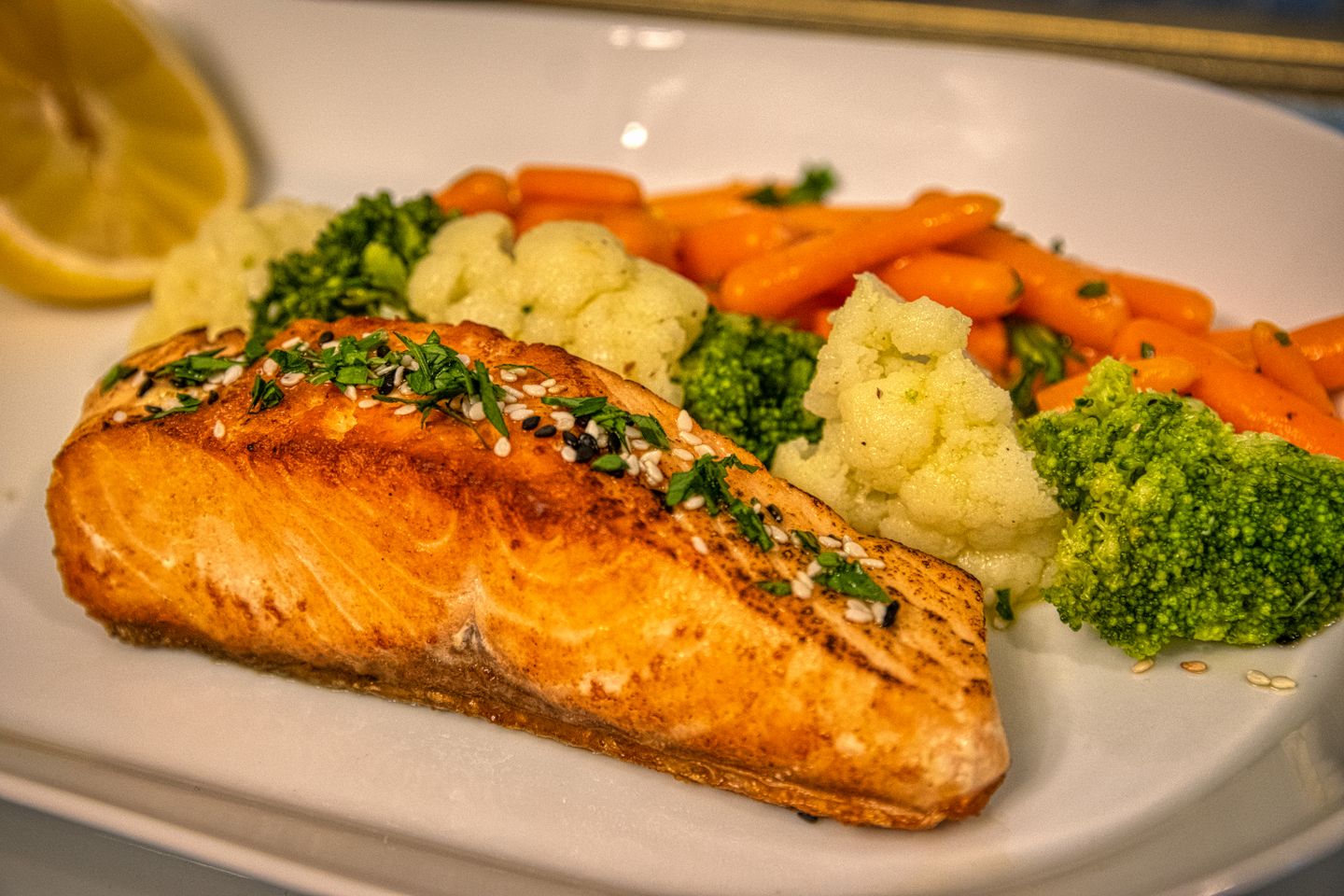
Each food below has an inflammation score from 1 (most anti-inflammatory) to 10 (most inflammatory).
You don’t need every group at every meal; aim to cover a few of them on each plate.
- Oily fish, twice a week: salmon and sardines score 1 out of 10 and are rich in omega-3 fats. Canned sardines make this an easy, affordable habit.
- Non-starchy vegetables at every meal: broccoli, spinach and kale all score 1. They add fiber and volume for very few calories.
- Legumes: lentils, chickpeas and black beans score 2 and bring fiber and protein together in the same bowl.
- Low-GI whole grains: oats and quinoa score 2 and brown rice 3. Their carbs raise blood sugar slowly.
- Whole fruit: blueberries score 1 and an apple 2. Eat fruit whole rather than as juice, and rotate in other anti-inflammatory fruits.
- Nuts, seeds and healthy fats: walnuts and olive oil score 1; almonds, flaxseed, chia seeds and avocado score 2. Make olive oil your main cooking fat.
- Protein at every meal: eggs and Greek yogurt score 3 and tofu 2, alongside the fish and legumes above. Protein helps a meal keep you full for longer.
These are the same foods behind a general anti-inflammatory diet plan, with an extra eye on blood sugar. For a longer menu beyond the core anti-inflammatory foods for PCOS, the guide to anti-inflammatory foods widens the list.
Foods to limit with PCOS
Cut back most on sugar and sugary drinks, refined grains, fried and packaged foods, red and processed meat and alcohol. These are the foods to avoid with PCOS most of the time, though you don’t have to cut them to zero.
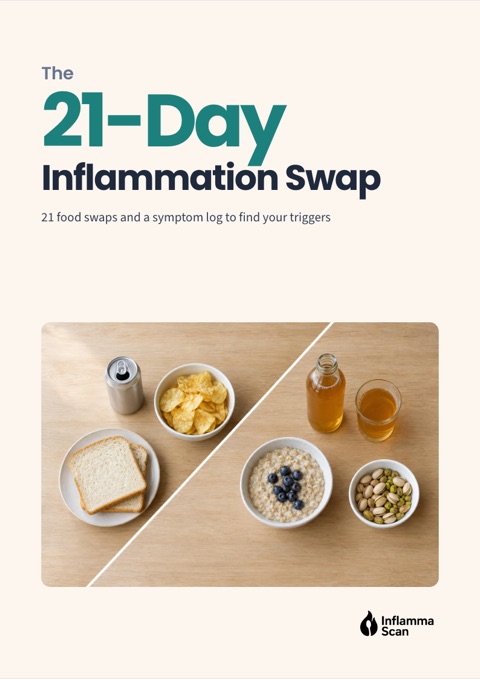
- Sugar and sugary drinks: soda scores 9 out of 10; see whether sugar causes inflammation.
- Refined grains: white bread scores 7 and white rice 6.
- Fried and packaged foods: most sit on the list of foods that cause inflammation.
- Red and processed meat: beef scores 7 and bacon 9.
- Alcohol: if you drink, choose the least inflammatory alcohol.
Two foods you probably don’t need to cut are dairy and gluten.
Do you need to cut dairy?
You probably don’t need to cut dairy unless it bothers you. No trial has tested cutting it in women with PCOS, and the DASH diet, which includes low-fat dairy, improved insulin.
Milk is linked to acne in observational studies, though acne guidelines make no formal dietary rule. Milk has an inflammation score of 5 out of 10, and Greek yogurt 3.
If acne is your main concern, try a few weeks with less milk and see what your skin does.
Do you need to go gluten-free?
You only need to go gluten-free if you have celiac disease or gluten clearly bothers you. No study has tested a gluten-free diet in women with PCOS.
Going gluten-free also cuts whole wheat, barley and rye, so replace them with naturally gluten-free whole grains such as quinoa and brown rice. If you suspect celiac disease, get tested before you cut gluten.
How to eat low-GI, Mediterranean style
Combine the Mediterranean pattern with low-GI choices: build plates on vegetables, legumes, whole grains, fish and olive oil, with carbs that raise blood sugar slowly.
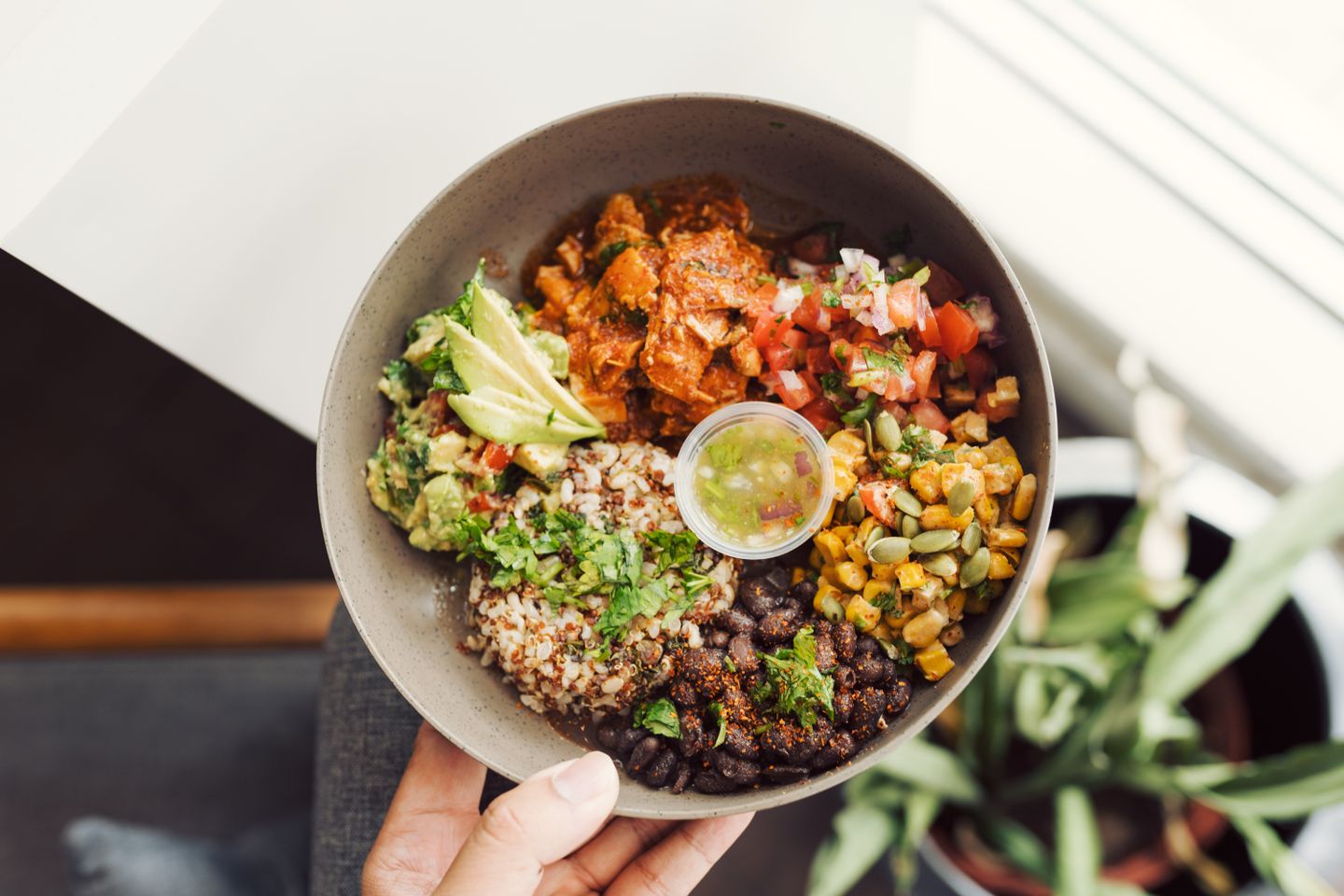
The GI ranks carbohydrate foods by how fast they raise blood sugar compared with pure glucose.
Start with these swaps:
- White rice to brown rice or quinoa.
- White bread to whole-grain bread.
- Fruit juice to whole fruit.
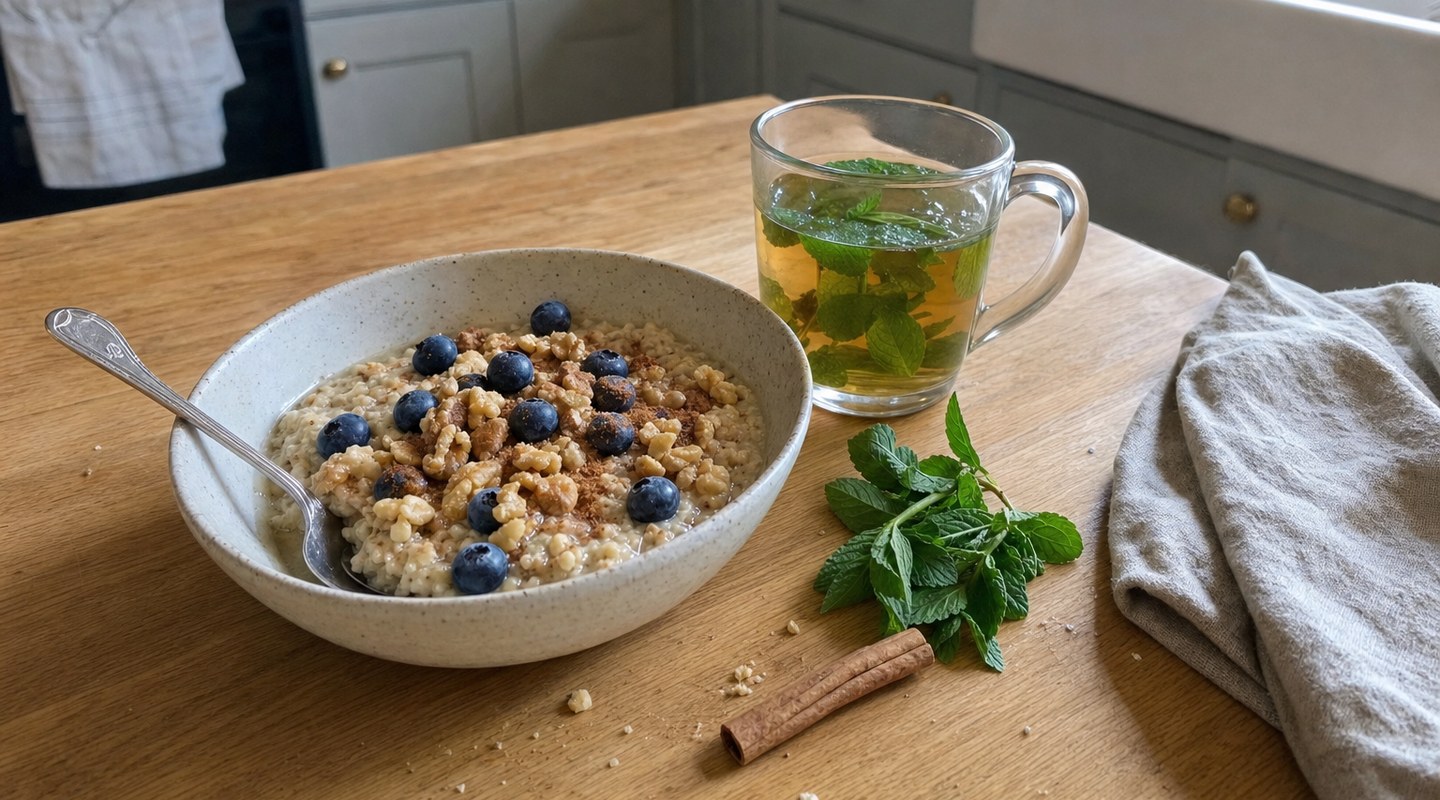
- Sugary cereal to steel-cut oats.
Each swap trades a fast carb for a slow one.
A simple way to build the plate: half non-starchy vegetables, a quarter protein and a quarter whole grains or legumes, with olive oil for cooking and dressing. Eat your carbs with protein, fat or fiber rather than on their own. You don’t need a food scale for the quarters; eyeball them.
The same pattern helps beyond PCOS: metabolic syndrome, the cluster of risk factors that includes high blood sugar and high triglycerides, responds to Mediterranean eating too. See how the Mediterranean diet affects metabolic syndrome.
Change one meal first, usually breakfast, and keep everything else as it is for two weeks.
Exercise, sleep and weight: what else helps PCOS
Food works best alongside regular movement and good sleep. The international guideline advises 150 to 300 minutes of moderate activity a week, or 75 to 150 minutes of vigorous activity, plus muscle-strengthening on 2 non-consecutive days. No type of exercise has proven better than another, so pick one you will keep.
Obstructive sleep apnea is more common in PCOS, so snoring and waking up unrefreshed are worth raising with your doctor.
In women with higher weight, modest weight loss can bring clear improvements, and healthy habits help even without weight loss. Insulin resistance shows up in lean women with PCOS too, so for them this way of eating is about steady blood sugar rather than weight loss.
For the habits that rank highest across the research, see the guide to ways to reduce inflammation, ranked by evidence.
A day of anti-inflammatory eating for PCOS
Here’s a sample day built from easy recipes that you can repeat and rearrange as the week goes on.
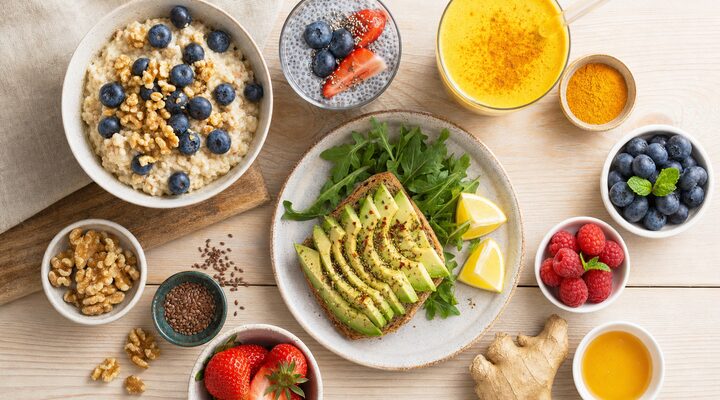
- Breakfast: apple cinnamon steel-cut oatmeal with a spoonful of Greek yogurt, or a savory quinoa breakfast bowl with kale and eggs for a higher-protein start.
- Lunch: Mediterranean chickpea and quinoa salad, which covers legumes and whole grains in one bowl.
- Dinner: grilled mackerel with tomato cucumber salad, one of your two oily-fish meals of the week.
- Snack: a handful of walnuts with berries, or hummus with raw vegetables.
For other nights, pick from more anti-inflammatory dinner recipes. Swap your usual breakfast for one of these low-GI PCOS breakfast ideas this week.
Food needs also shift at other stages of life, and an anti-inflammatory diet for women adds more folate before pregnancy and more calcium after menopause.
Frequently asked questions
Is spearmint tea good for PCOS?
Spearmint tea may lower testosterone. In one small trial, two cups a day lowered free and total testosterone, and the women felt their extra hair improved. The doctor-rated hair score stayed the same, so treat it as a drink rather than a treatment.
What type of fish is best for PCOS?
Go for oily, low-mercury fish: salmon, sardines, Atlantic mackerel, herring and trout, all on the FDA’s Best Choices list. If you might become pregnant, the FDA advises 2 to 3 servings a week of about 4 ounces each.
Is coffee bad for PCOS?
There’s no evidence that coffee worsens PCOS, and in one small study, women with PCOS drank less coffee than women without it. Coffee has an inflammation score of 3 out of 10; watch the sugar and syrups you add, or try other anti-inflammatory drinks.
Is keto good for PCOS?
The keto diet can help weight and insulin in the short term in women with overweight, but the studies are small and short, and results vary. Since no diet has proven best, a healthy pattern you can sustain matters more.
Do supplements like inositol help PCOS?
The evidence for inositol in PCOS is limited and inconclusive. Inositol may improve some metabolic measures but showed little effect on ovulation, extra hair or weight. Tell your doctor about any supplement you take.
Can diet help with fertility in PCOS?
Diet can support ovulation in PCOS, especially when women with higher weight lose a little weight. In a diet-and-exercise trial with no comparison group, 63% of the women got regular cycles back and 12% became pregnant. Healthy habits work alongside medication and fertility treatment.
Is a PMOS diet different from a PCOS diet?
No, a PMOS diet is the same as a PCOS diet: PMOS is the new name for the same condition, adopted in May 2026 by 56 medical and patient organizations. Expect to see PCOS and PMOS side by side for a few years.