An anti-inflammatory diet sounds like a strict program: a rulebook, a start date, and a list of banned foods. But it’s much simpler than that.
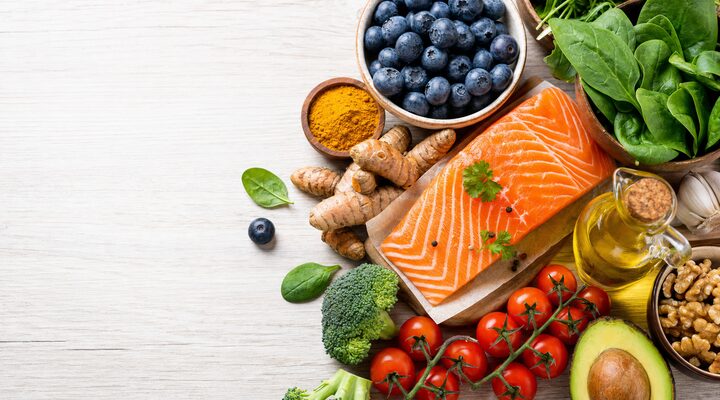
There’s no single official version. The term describes an eating pattern: more whole, minimally processed foods (vegetables, fruit, whole grains, legumes, fish, nuts, olive oil) and fewer of the foods tied to inflammation (ultra-processed foods, refined carbs, added sugar, red and processed meat).
That’s the entire anti-inflammatory diet plan in miniature:
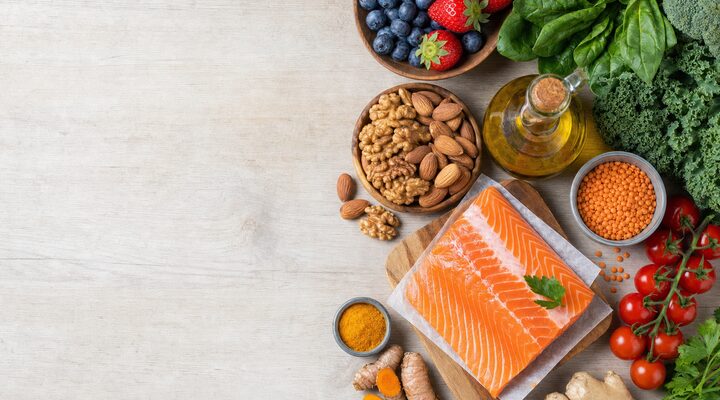
- More of: vegetables, fruit, whole grains, legumes, fish, nuts, olive oil.
- Less of: ultra-processed foods, refined carbs, added sugar, red and processed meat.
What is the anti-inflammatory diet?
Harvard Health puts it plainly in its guide to anti-inflammation eating, reviewed in March 2026: there is no single anti-inflammatory diet. The pattern is guided as much by what stays off the plate as by what goes on it.
Inflammation itself isn’t the enemy. The acute kind, the swelling around a sprained ankle or the fever that comes with a cold, is the immune system doing its job, and it resolves once the injury or infection clears.
Chronic, low-grade inflammation works differently. It lingers for months or years, often without any symptom you’d notice day to day, and it’s the kind researchers connect to long-term health risk. Diet is one of the levers that can influence it over time, alongside sleep, movement, and stress, which is why this pattern gets built around whole foods rather than a single ingredient.
That’s also the kind diet has the clearest track record of influencing. Harvard Health notes the evidence connecting diet-driven inflammation reduction to lower disease risk is strongest for arthritis, gastrointestinal health, and heart health, and diabetes, a link this guide comes back to in more detail further down.
Foods to eat on an anti-inflammatory diet
Harvard Health’s list of foods to build meals around reads like a produce aisle, plus a fish counter and an oil shelf:
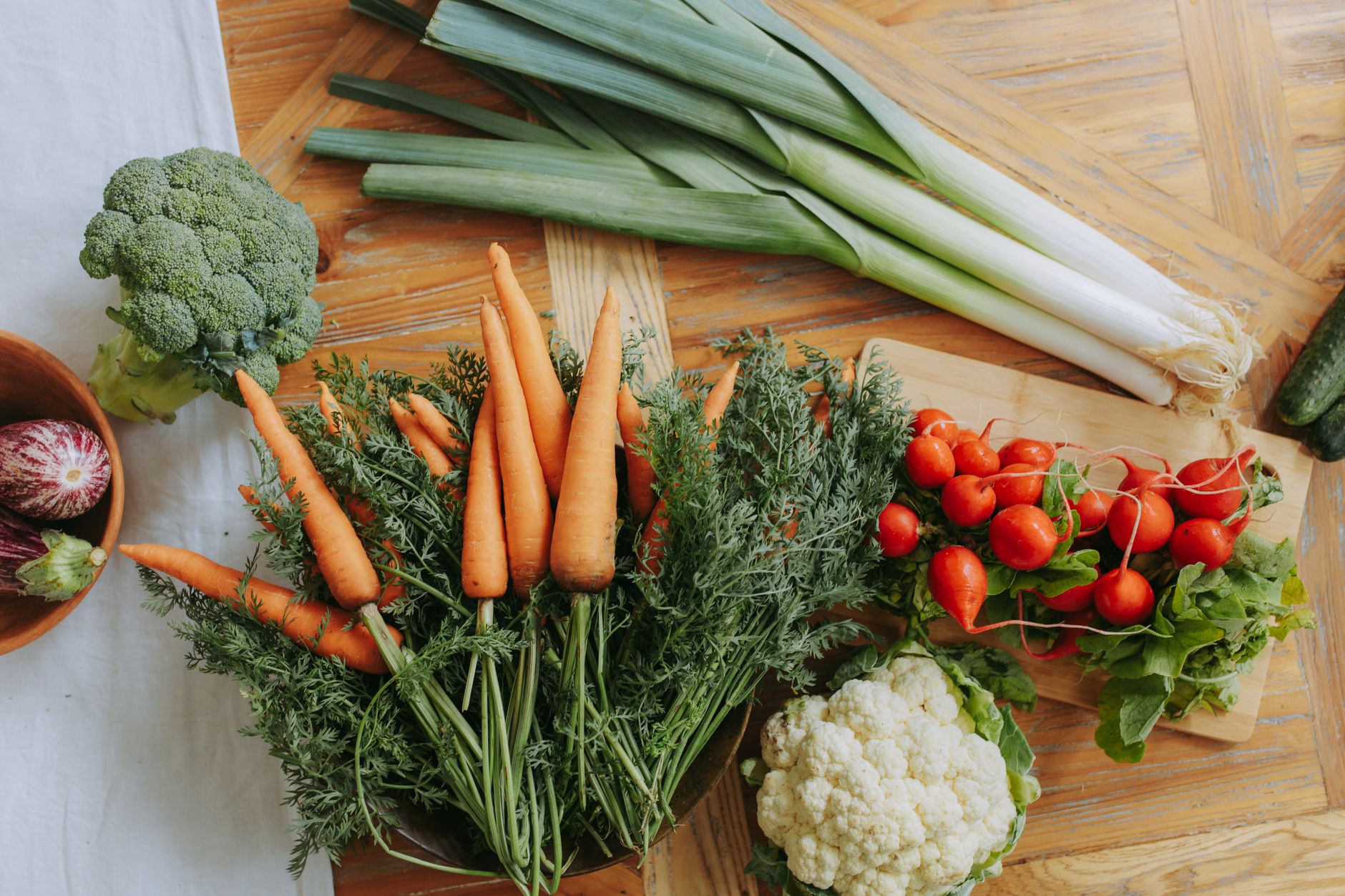
- Fruits and vegetables
- Whole grains
- Legumes (beans, lentils)
- Fish and poultry
- Nuts and seeds
- A little low-fat dairy
- Olive or avocado oil
Four components do most of the work behind that list, and each pulls from its own set of foods.
Fiber comes mainly from legumes and whole grains, especially barley, oats, and bran. It’s also the component most tied to keeping digestion and blood sugar steady, which is part of why whole grains show up ahead of their refined versions on this list.
Omega-3 fatty acids show up in fatty fish (salmon, mackerel, sardines, tuna) and in plant sources like walnuts, flaxseeds, and leafy greens such as spinach and kale. These are the fats most often named as the anti-inflammatory fatty acid, and they’re one of the few components on this list that’s harder to get enough of from a standard American diet.
Polyphenols, the plant compounds behind color and bitterness, come from berries, tea, apples, citrus, onions, dark chocolate, and coffee. They’re also one of the easiest components to add without planning a special meal, since a cup of tea or a square of dark chocolate counts as much as a bowl of berries.
Unsaturated fats replace the saturated kind, and Harvard Health names olive oil, avocado, almonds, pecans, and seeds as the sources worth reaching for. Swapping butter for one of these at breakfast or dinner is usually the single easiest change on this entire list.
A handful of herbs and spices carry their own anti-inflammatory compounds too: turmeric, ginger, cinnamon, and cayenne show up across most meals built on this pattern. Most of our anti-inflammatory recipes lean on two or three of these components at once rather than isolating a single food.
Foods to avoid on an anti-inflammatory diet
The other half of the pattern is what to eat less of, and Harvard Health and Johns Hopkins Medicine largely point to the same list.
- Ultra-processed and packaged foods
- Added sugar and sugar-sweetened drinks
- Refined grains (white bread, white pasta, white rice)
- Red and processed meat (bacon, sausage, deli meat)
- Deep-fried foods
Johns Hopkins Medicine names red meat, processed meat like bacon and deli meat, commercial baked goods, and anything made with white flour as foods that promote inflammation, right alongside deep-fried foods.
Added sugar is the item most likely to hide in plain sight. Harvard Health flags foods with added sweeteners as the biggest offenders, and a lot of that added sugar isn’t sitting where you’d expect it: pre-packaged salad dressings, flavored yogurts, and jarred tomato sauces carry it just as often as soda and candy do.
Reaching for a sugar substitute isn’t automatically the fix either. Harvard Health notes that some sweeteners, including aspartame, erythritol, and sucralose, may trigger inflammation of their own, with stevia and monk fruit standing out as the two more likely to sidestep that effect.
None of it needs to disappear overnight. The list works better as a set of swaps: a lentil soup instead of a creamy pasta a few nights a week, water or unsweetened tea instead of soda, fish or beans standing in for bacon and deli meat more often than not.
Harvard Health singles out one item for a stronger warning: white flour isn’t just less nutritious than the whole-grain version, it’s called directly pro-inflammatory, which is part of why refined grains sit near the top of this list rather than the middle.
How to start an anti-inflammatory diet plan
Overhauling every meal on day one is the fastest way to abandon an anti-inflammatory diet by week two. The shift works better as a gradual swap: change the easiest meal first, let it stick, then move to the next one.
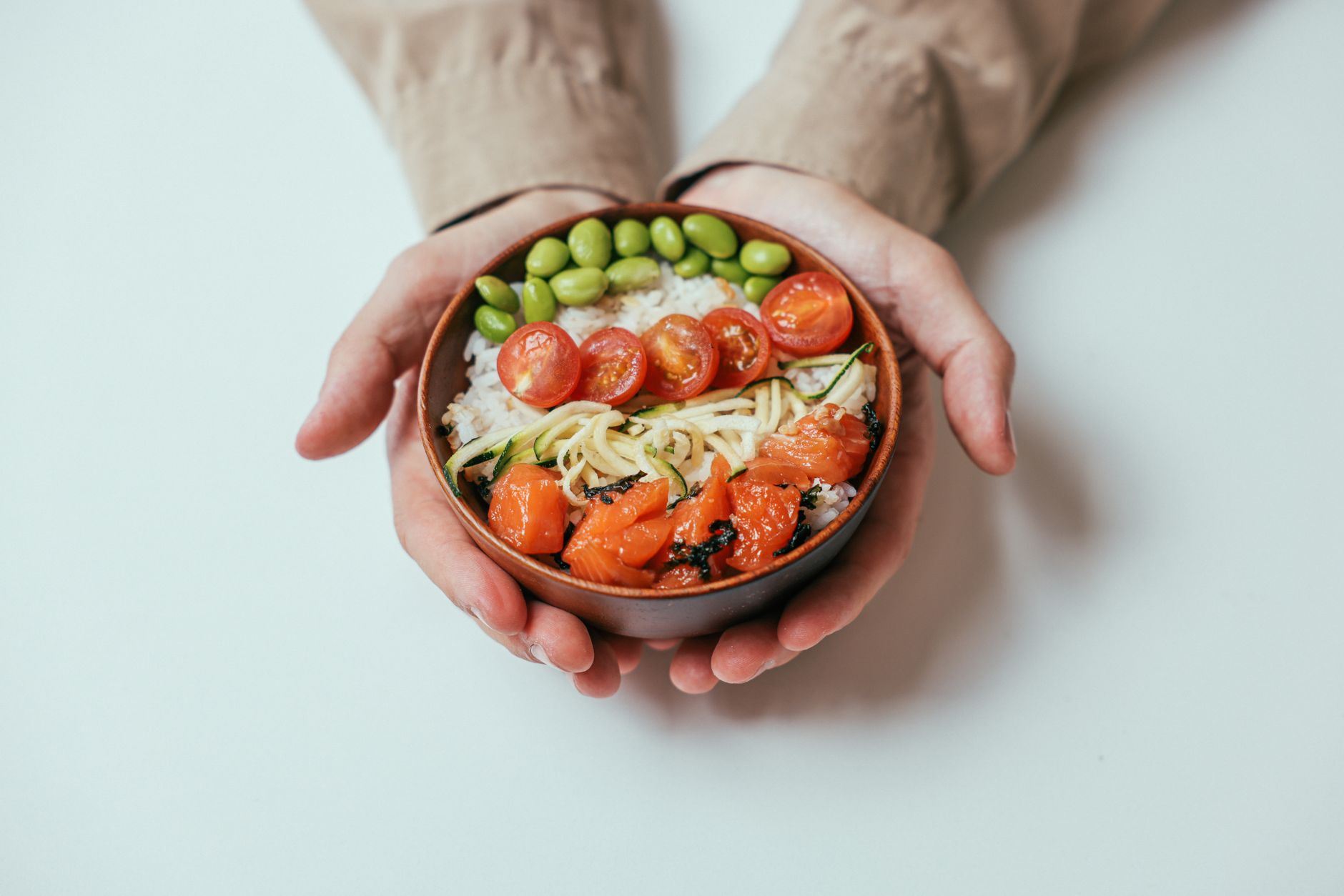
The formula behind an anti-inflammatory diet for beginners stays the same at every meal: build the plate around vegetables, add a whole-food protein, and finish with a healthy fat. Fish, poultry, or a legume covers the protein; olive oil, avocado, or a handful of nuts covers the fat.
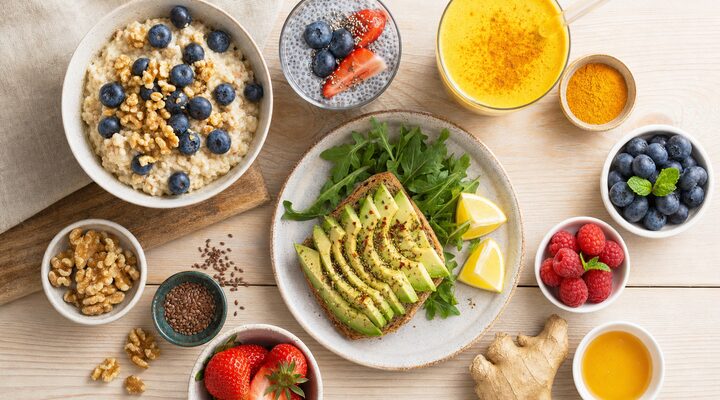
Harvard Health’s sample day sketches out what that looks like in practice: a smoothie or a bowl of oatmeal topped with berries at breakfast, a leafy-green salad with beans, nuts, and seeds at lunch, and a lean protein alongside colorful vegetables at dinner.
Meal-prep basics for beginners
Arthritis Society Canada‘s approach to starting is mostly about lowering the effort involved, not raising the discipline required. Keep the ingredient list simple rather than chasing an elaborate recipe every night, and keep convenience foods on hand: frozen vegetables, canned beans, and pre-cooked whole grains count toward the same pattern as their fresh, from-scratch versions.
Batch cooking at least one day a week covers most of the gap between wanting to eat this way and actually doing it on a Tuesday night. A pot of grains, a tray of roasted vegetables, and a batch of beans or lentils reheat into several different meals across the week.
The same gradual approach that works for the food swaps above applies here too: prep one meal or snack at a time instead of trying to overhaul the whole week’s cooking at once.
Planning that pattern meal by meal gets easier with a template already built. Our 21-day anti-inflammatory diet meal plan lays this formula out across three weeks, so what to eat each night stops being a daily decision.
For single meals instead of a full plan, browse anti-inflammatory breakfast ideas, anti-inflammatory lunch ideas, or anti-inflammatory dinner recipes, and use the meal planner to line a week of them up in advance.
Anti-inflammatory diet vs the Mediterranean and DASH diets
The anti-inflammatory pattern doesn’t stand apart from other well-studied diets, it mostly borrows from them. Its short list of foods to eat, olive oil, fish, legumes, vegetables, and whole grains, reads close to the Mediterranean diet’s own list, and its foods-to-avoid column overlaps heavily with what the DASH diet limits.
Harvard Health’s advice for anyone who wants a fully defined plan rather than a loose set of principles is to follow the Mediterranean diet or the DASH diet directly.
The Mediterranean diet has the stronger long-term evidence behind it of the two. The PREDIMED trial, published in the New England Journal of Medicine in 2013, found that a Mediterranean diet supplemented with extra-virgin olive oil or nuts cut major cardiovascular events by about 30 percent compared with a low-fat control diet.
None of this makes the anti-inflammatory pattern a lesser version of either one. It’s closer to a shared vocabulary: whichever of the three someone follows most closely, olive oil, legumes, fish, and vegetables end up on the plate more often than not.
What to expect from an anti-inflammatory diet
An anti-inflammatory diet is a long-term pattern, not a week-long reset, and the benefits it’s linked to build slowly rather than showing up after a single clean week.
Harvard Health notes the evidence for lowering disease risk through this kind of eating is strongest for arthritis, gastrointestinal health, heart health, and diabetes, with some evidence pointing to a possible benefit for cognitive decline and autoimmune conditions.
None of that makes food a substitute for treatment. Anyone managing a diagnosed condition, arthritis, an autoimmune disease, or anything else on that list, should treat diet as one part of a plan built with a doctor or registered dietitian, not a replacement for one.
Frequently asked questions
What is the best diet for reducing inflammation?
No single diet holds that title, though Harvard Health points to the Mediterranean and DASH diets as the most clearly defined options for anyone who wants a set plan rather than loose principles. Both lean on the same anti-inflammatory pattern: vegetables, whole grains, legumes, fish, and olive oil, with fewer refined carbs, added sugar, and red or processed meat.
What are the worst foods that trigger inflammation?
Johns Hopkins Medicine names red meat, processed meat like bacon and deli meat, commercial baked goods, and anything made with white flour, alongside deep-fried foods, as the foods most linked to inflammation. Harvard Health adds sugar-sweetened drinks and ultra-processed foods to that list, and calls out white flour specifically as directly pro-inflammatory.
How do you reduce inflammation in 7 days?
A single week won’t undo years of eating habits, since the research behind this pattern points to a sustained shift rather than a short cleanse. What a week can do is start the swaps: olive oil instead of butter, a salad with beans and nuts at lunch, water instead of soda, and fish or legumes standing in for red meat a few nights, changes that compound if they stick past day seven.
How do you flush inflammation out of your body?
There’s no food, drink, or supplement that flushes inflammation out the way water flushes out a toxin, and treating the idea that literally sets up disappointment. The more reliable approach is the eating pattern covered above: more vegetables, whole grains, fish, and healthy fats, less ultra-processed food and added sugar, sustained over months rather than days.