Flaxseed
Why flaxseed is anti-inflammatory
Flaxseed is anti-inflammatory largely because of its lignans, plant compounds that gut bacteria convert into a form the body absorbs. Flaxseed carries far more of them than any other common food, and they act as antioxidants, limiting the cell damage that goes with low-level inflammation.
Across forty trials, adding flaxseed to the diet brought down two of the main inflammation signals measured in blood and left a third unchanged. The effect is small, and the trials lasted weeks or months, not years.
Roughly half the fat in flaxseed is alpha-linolenic acid, the plant form of omega-3. The body has to lengthen that fat before it works the way the omega-3 in oily fish does, and it converts only a small share: in one trial, months of ground flaxseed raised the plant fat in the blood and not the long-chain kind fish supplies. Flaxseed does not stand in for fish.
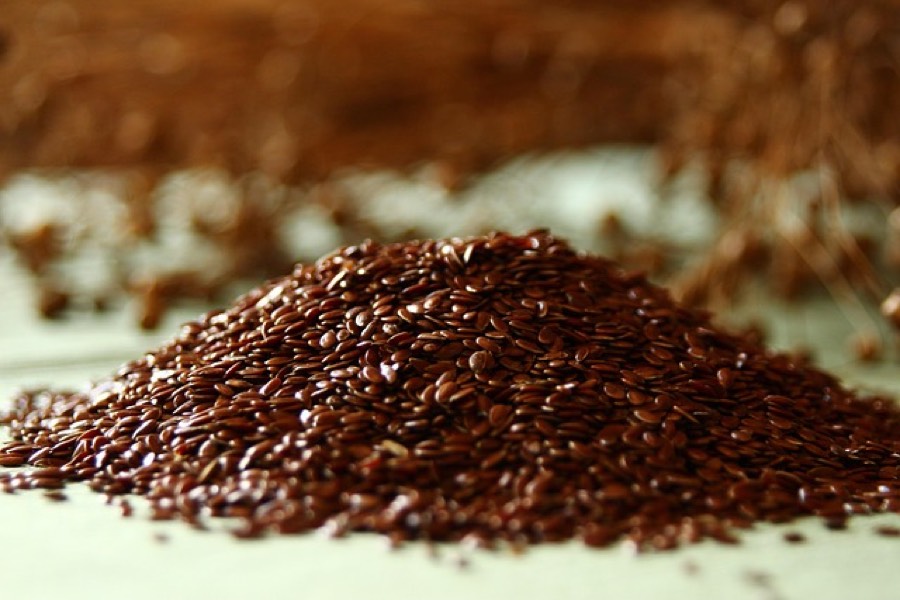
Whole seeds are the trap. The shell is hard enough that most of them pass through intact: in that same trial, a month of whole flaxseed left blood levels flat, while the same amount milled raised them. Buy whole seed and grind it in a coffee grinder, or buy it ready ground and keep the bag in the fridge, because the fat turns rancid at room temperature. Brown and golden flaxseed differ in taste, not much else.
One or two tablespoons of ground seed stirred into porridge, yogurt or a smoothie is a day’s worth. Add it gradually and drink water with it, because a spoonful is mostly fibre and a sudden jump brings bloating.

Flaxseed on the AIP diet
Flaxseed is out during the elimination phase of the Autoimmune Protocol, which removes every seed. That costs you a baking option as well as a topping, because ground flaxseed mixed with water is the usual stand-in for eggs, and eggs are out too. Gelatin, mashed banana or pureed pumpkin do that job instead. Seeds come back early in the reintroduction, so the wait is short.
Benefits
- The richest common source of lignans, plant compounds that act as antioxidants
- Across forty trials, flaxseed lowered two of the main inflammation signals in blood
- Roughly half its fat is omega-3, though in the plant form
- Two tablespoons carry about four grams of fibre, most of it the soluble kind
Watch out for
- Whole seeds pass through largely intact, so the seed has to be ground
- Ground flaxseed turns rancid at room temperature and belongs in the fridge
- The plant omega-3 converts poorly, so it is no replacement for oily fish
- A sudden jump in fibre brings bloating unless you add it gradually and drink water
Frequently asked
Is flaxseed inflammatory?
No, flaxseed is anti-inflammatory. Its lignans act as antioxidants, and across forty trials adding flaxseed to the diet brought down two of the main inflammation signals measured in blood.
Do you have to grind flaxseed?
Yes. The shell is hard enough that whole seeds mostly pass through you intact. In one trial, a month of whole flaxseed did not raise blood levels of its omega-3 at all, while the same amount milled did. Grind it yourself or buy it ready ground and keep it in the fridge.
Is flaxseed as good as fish for omega-3?
No. Flaxseed carries the plant form, a shorter fat the body has to lengthen before it works the way the omega-3 in salmon does, and it converts only a small share. Eat flaxseed for its lignans and fibre, and eat fish for the rest.
Is flaxseed allowed on the AIP diet?
No, not during the elimination phase, which takes out every seed. Seeds return early in the reintroduction, so flaxseed is one of the first things you can test.
Anti-inflammatory recipes with Flaxseed

Banana Flaxseed Oat Pancakes Recipe

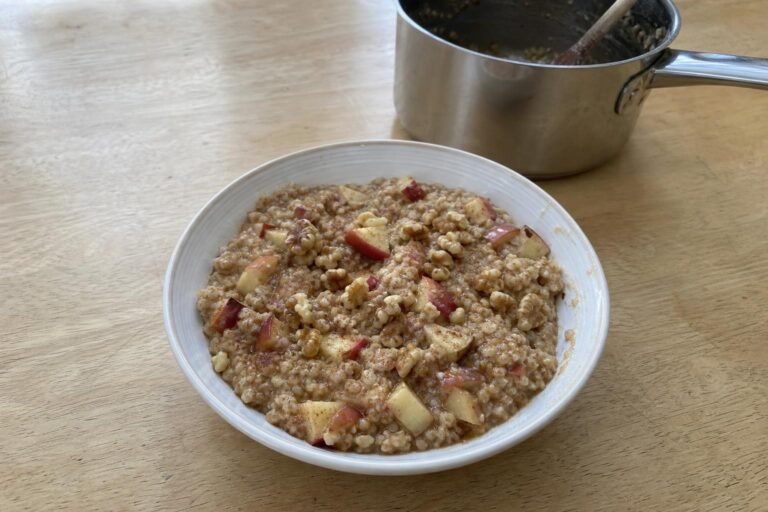
Apple Cinnamon Steel-Cut Oatmeal Recipe

Chia Flax Breakfast Porridge Recipe

Golden Turmeric Breakfast Muffins Recipe

Almond and Blueberry Energy Muffins Recipe