
Energy Drinks
Energy drinks are inflammatory for two reasons packed into the same can, and the bigger one is added sugar.
Some foods calm inflammation. Others fuel it. And most of what you eat every day falls somewhere in between.
We've reviewed the scientific evidence behind each food and assigned it a score from 1 to 10 on the inflammation scale. Here you'll discover why a food may be inflammatory or anti-inflammatory, what to eat instead when it scores poorly, and recipes featuring foods with potential health benefits. Start with the food you eat most often.

Energy drinks are inflammatory for two reasons packed into the same can, and the bigger one is added sugar.
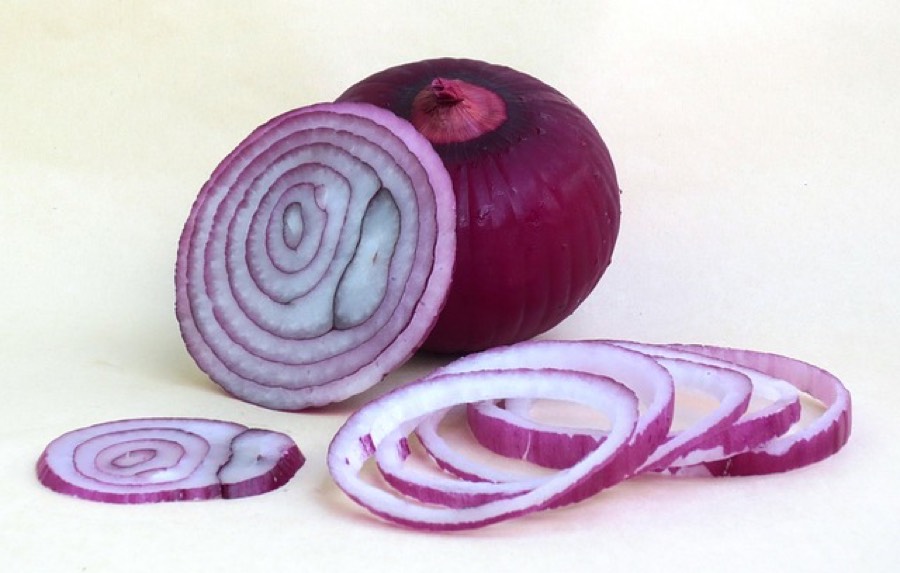
Red onion is anti-inflammatory, and two plant compounds account for that: anthocyanins, the pigments that turn the rings purple, and quercetin, which red bulbs hold more of than white ones.

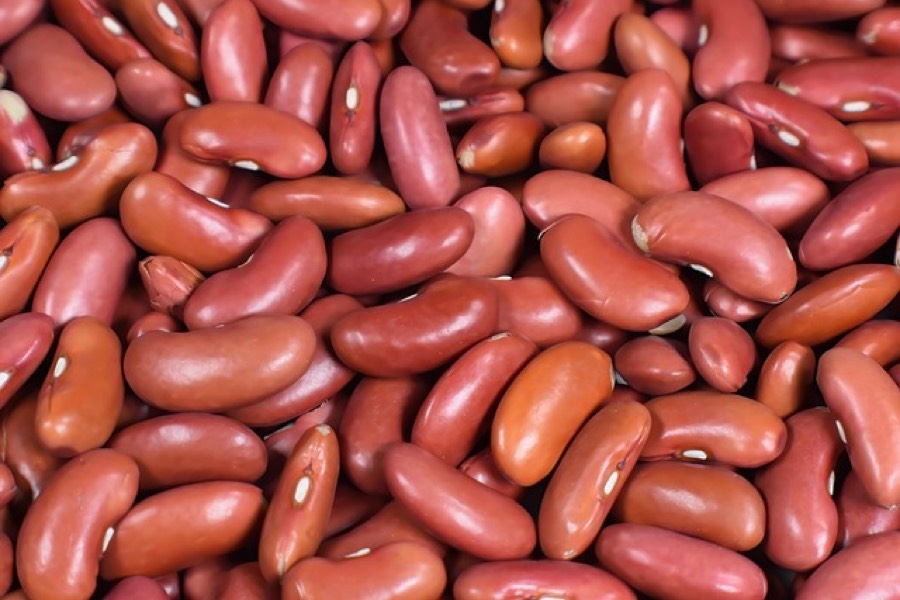
Kidney beans are anti-inflammatory, and the main reason is their fibre, around 11 grams in a cooked cup.
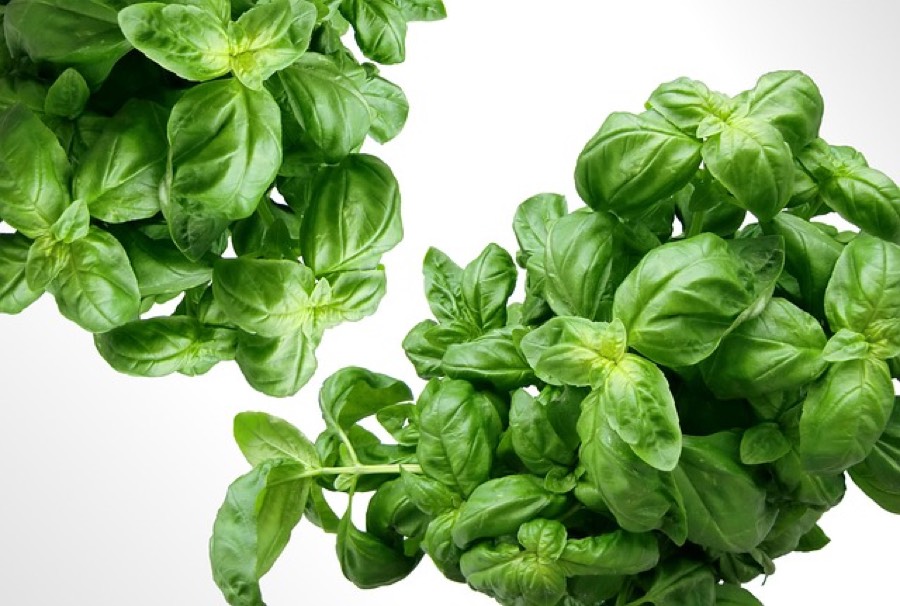
Basil is anti-inflammatory largely because of rosmarinic acid, an antioxidant it shares with mint and oregano.

Soda is inflammatory, and the reason is the sugar dissolved in it. A standard can holds around nine teaspoons, with no fibre, fat or protein to slow it down, so the whole dose reaches your blood within minutes.
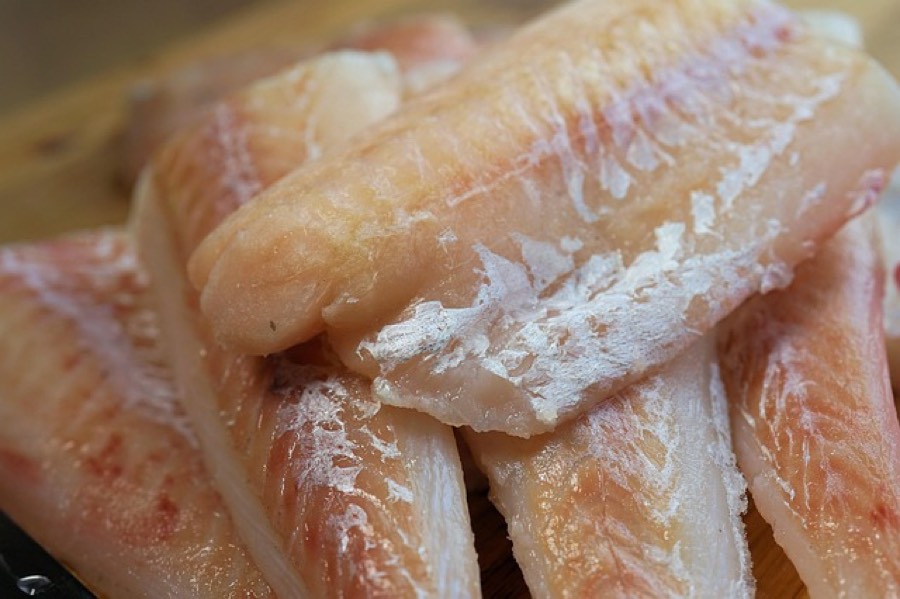
Cod is anti-inflammatory, and what makes it so is its omega-3 fat, EPA and DHA, even in the small amount a white fish carries.
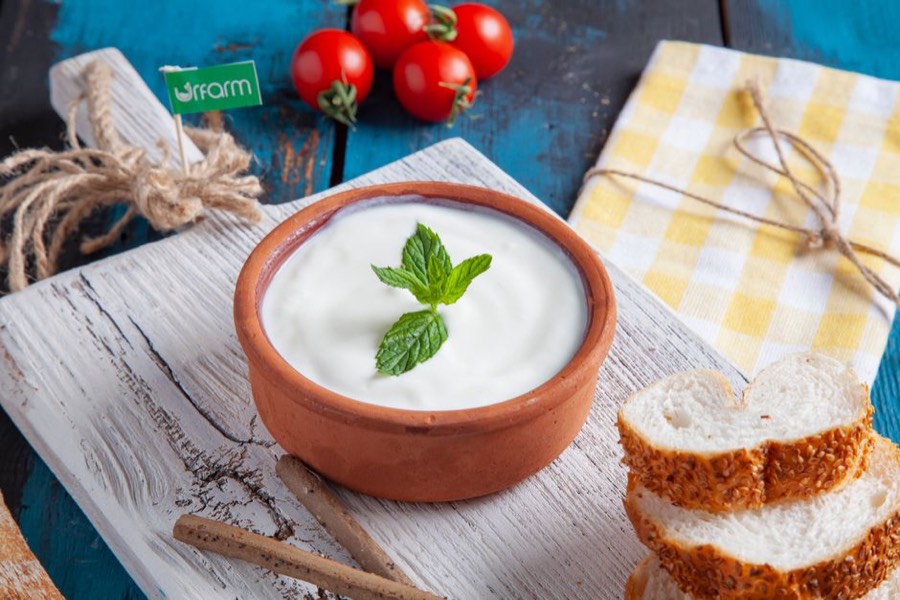
Plain Greek yogurt is anti-inflammatory, and the reason is the lactic acid bacteria that ferment it.
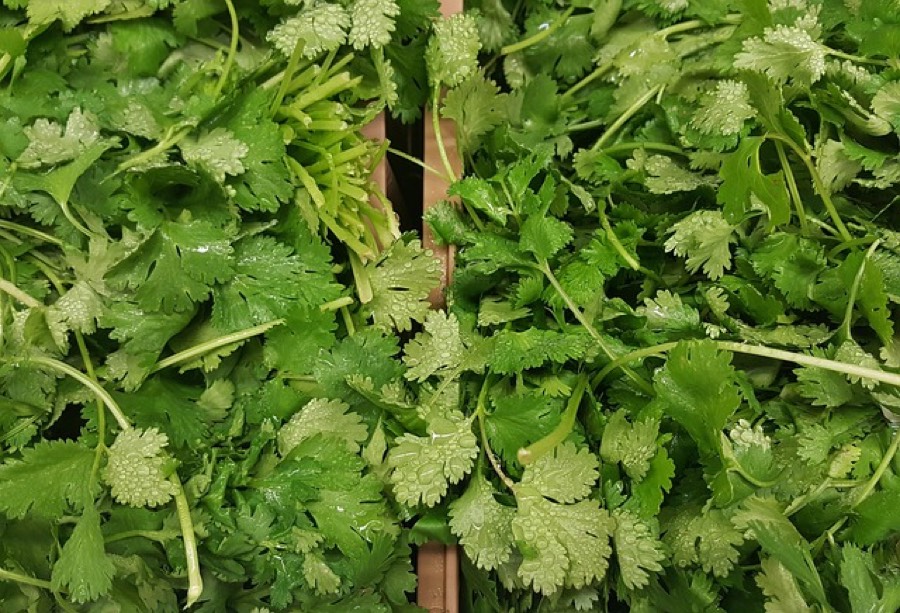
Cilantro is anti-inflammatory largely because of quercetin, one of the flavonoids in its leaves.