Avocado
Why avocado is anti-inflammatory
Avocado is anti-inflammatory, and it gets there by being a fruit that behaves like a fat. Around three quarters of its calories are fat, and most of that is oleic acid, the same monounsaturated fat that gives olive oil its reputation. There is almost no sugar in it and close to ten grams of fibre in a whole one. That combination is why it sits near the bottom of the inflammation scale.
The fat also does a job for the food around it. Many of the protective compounds in vegetables only dissolve in fat, so a bowl of plain leaves and tomatoes hands over a fraction of what it holds. Add avocado to that same bowl and the body takes up several times more of them.
Where avocado loses its edge is the company it keeps. Most of it is eaten as guacamole beside a bag of fried chips, and the chips undo the bowl. Ready-made guacamole is often cut with cheap oil and thickeners, so the tub is worth turning around.
Avocado is also high in the fermentable sugars that gut bacteria turn into gas, so a big portion can leave a sensitive gut uncomfortable. If half an avocado bloats you, a quarter usually does not.
Buy them hard and let them soften on the counter, then move them to the fridge on the day they give under your thumb. A whole one is around 230 calories, so build a meal around it rather than dropping it on top of one.

Avocado on the AIP diet
Avocado is allowed on the Autoimmune Protocol in every phase, elimination included. It is a fruit, so it stays clear of the grains, legumes, nuts, seeds, nightshades and dairy that come out. With dairy gone it also earns its place for texture: mashed avocado stands in for sour cream, for butter and for the creamy part of a dressing. Watch the quantity if you run a low-FODMAP overlay, because it can bloat.
Benefits
- Mostly oleic acid, the same monounsaturated fat that gives olive oil its reputation
- The fat in it multiplies how much of the protective compounds in a salad you absorb
- Close to ten grams of fibre in a whole one, with almost no sugar
- Swapping part of the day's carbohydrate for avocado lowered an inflammation marker after twelve weeks
Watch out for
- Around 230 calories in a whole one, a lot for something treated as a topping
- Most of it gets eaten as guacamole next to fried chips, and the chips undo the bowl
- High in the fermentable sugars that cause bloating, so a big portion can leave a sensitive gut uncomfortable
- Ready-made guacamole is often cut with cheap oil and thickeners
Frequently asked
Is avocado inflammatory?
No, avocado is anti-inflammatory. Most of its fat is oleic acid, the same fat that makes olive oil worth eating, and it arrives with fibre and almost no sugar. It also helps your body absorb the protective compounds in whatever vegetables you eat alongside it.
Is it bad to eat avocado every day?
For most people, no. Half to a whole one a day is a normal amount and roughly what the trials use. The thing to keep an eye on is calories, around 230 in a whole avocado, because avocado tends to get added to a meal instead of replacing part of it.
Does avocado cause bloating?
It can, in bigger portions. Avocado is high in fermentable sugars, and those are what gut bacteria turn into gas. If half an avocado leaves you uncomfortable, a quarter usually does not. It is a question of how much, not of cutting it out.
Is avocado allowed on the AIP diet?
Yes, in every phase including elimination. It is a fruit, so it avoids the grains, legumes, nuts, seeds, nightshades and dairy that AIP removes, and it ends up as one of the main fats of the protocol alongside olive oil and coconut.
Anti-inflammatory recipes with Avocado

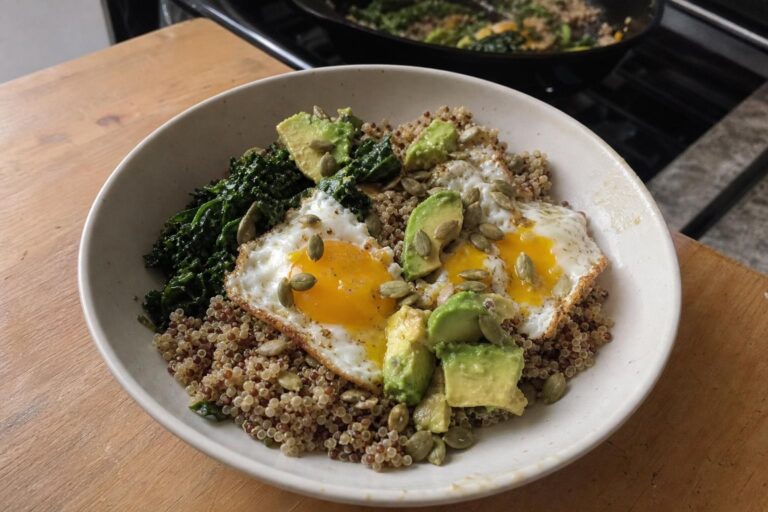
Savory Quinoa Breakfast Bowl with Kale and Eggs Recipe

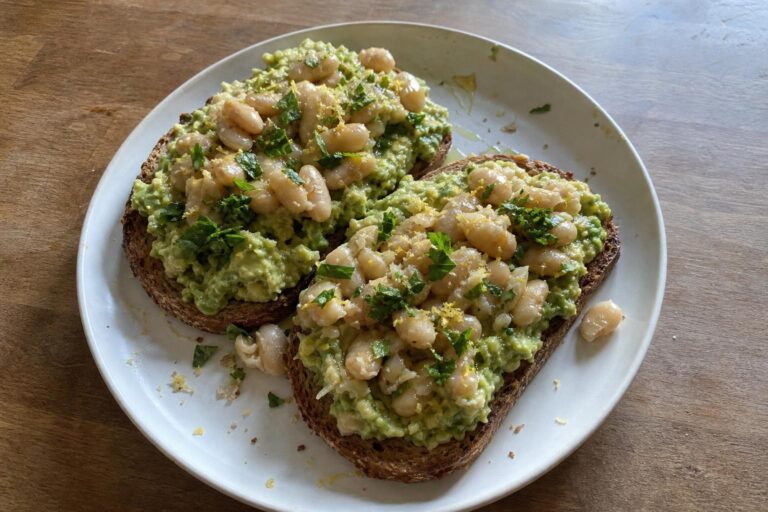
Avocado Toast with White Beans and Lemon Recipe

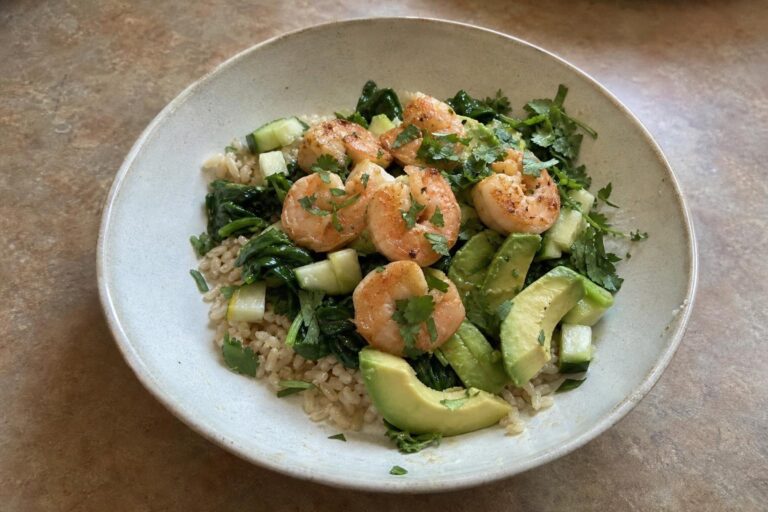
Shrimp and Avocado Brown Rice Bowls Recipe

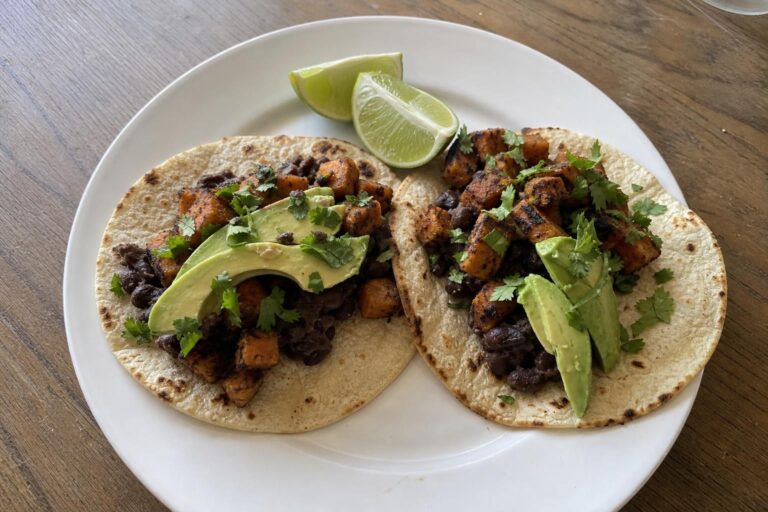
Black Bean and Sweet Potato Tacos Recipe

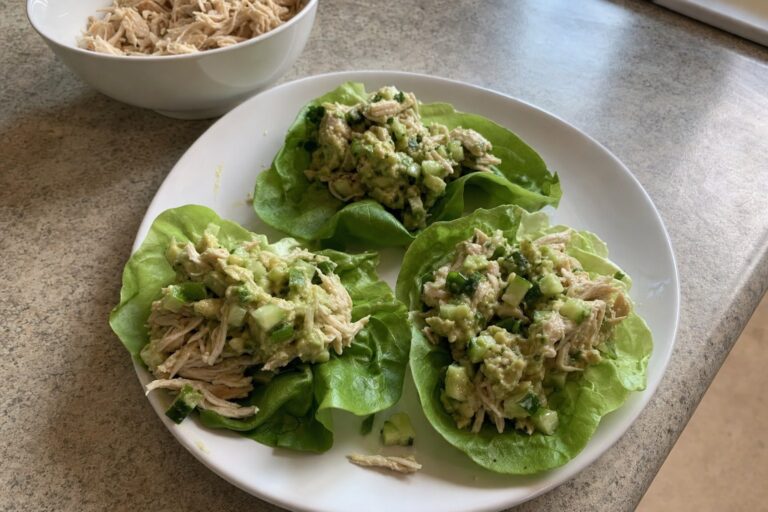
Shredded Chicken and Avocado Lettuce Wraps Recipe