Most breakfast advice defaults to eggs or cereal without asking what either one does inside your body. An anti-inflammatory breakfast pairs fiber-rich carbs with omega-3 fats and antioxidant-rich fruit or vegetables, while keeping added sugar low, and these 10 ideas turn that pattern into real recipes you can rotate through a normal week.
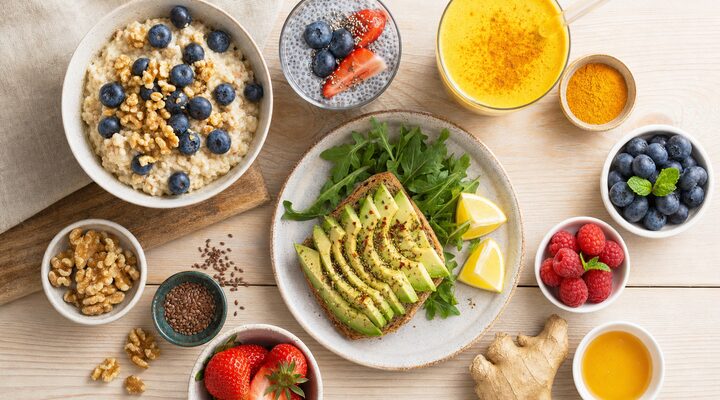
- Berry and walnut oatmeal
- Golden milk overnight oats
- Chia seed pudding
- Smoothie bowls and yogurt parfaits
- Green smoothies and juices
- Beet and avocado toast
- Sweet potato breakfast hash
- Veggie fritters with yogurt sauce
- Turmeric quinoa breakfast bowl
- Grab-and-go energy bites and muffins
What makes a breakfast anti-inflammatory?
An anti-inflammatory breakfast follows the same pattern nutrition research applies to any meal: fiber-rich carbohydrates, omega-3 fats, antioxidant-rich fruit or vegetables, a source of quality protein, and minimal added sugar. None of that requires specialty ingredients: it is mostly a matter of what you leave out and what you swap in.
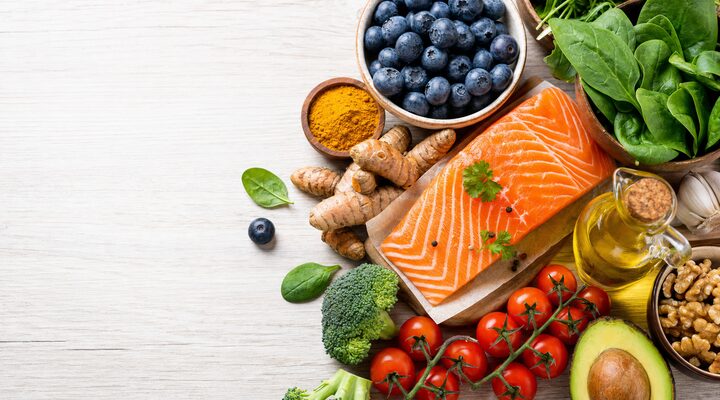
Harvard Health Publishing lists the anti-inflammatory staples worth building a plate around: tomatoes, olive oil, leafy greens like spinach and kale, nuts like almonds and walnuts, fatty fish like salmon and sardines, and berries. A breakfast that leans on even two or three of these, instead of refined carbs and added sugar, already fits the pattern.
- Fiber-rich carbs: oats, whole grains, and legumes instead of refined flour and added sugar.
- Omega-3 fats: walnuts, chia seeds, and fatty fish rather than fried or processed fats.
- Antioxidant-rich produce: berries, leafy greens, and other colorful fruit and vegetables.
- Quality protein: eggs, plain yogurt, or nuts to keep you full without added sugar.
If you want the full three-week version of this way of eating, the 21-day anti-inflammatory diet lays out every meal, breakfast included, for three weeks straight. The ten ideas below are the breakfast slice of that same pattern, built to work on their own.
10 anti-inflammatory breakfast ideas
Each of these swaps in real anti-inflammatory ingredients without asking you to cook a separate meal for yourself every morning.
1. Berry and walnut oatmeal
Oats provide beta-glucan, a soluble fiber that helps regulate blood sugar and cholesterol, according to a 2026 review by Verywell Health. Berries add anthocyanins, the polyphenols credited with much of their anti-inflammatory reputation, and walnuts contribute alpha-linolenic acid (ALA), a plant-based omega-3.
Try it as golden turmeric oatmeal with berries, which folds in turmeric too, or rotate in spiced fig and chia oatmeal for a version built around fig and chia instead.
2. Golden milk overnight oats
Overnight oats need zero cooking, which makes them one of the easier quick anti-inflammatory breakfast options on a weekday. The golden milk version steeps oats in a turmeric-spiced milk, drawing on curcumin, the compound in turmeric most studied for calming oxidative stress.
Start with mango turmeric overnight oats, or rotate in pumpkin spice overnight oats and blueberry walnut overnight oats so the same base doesn’t get repetitive.
3. Chia seed pudding
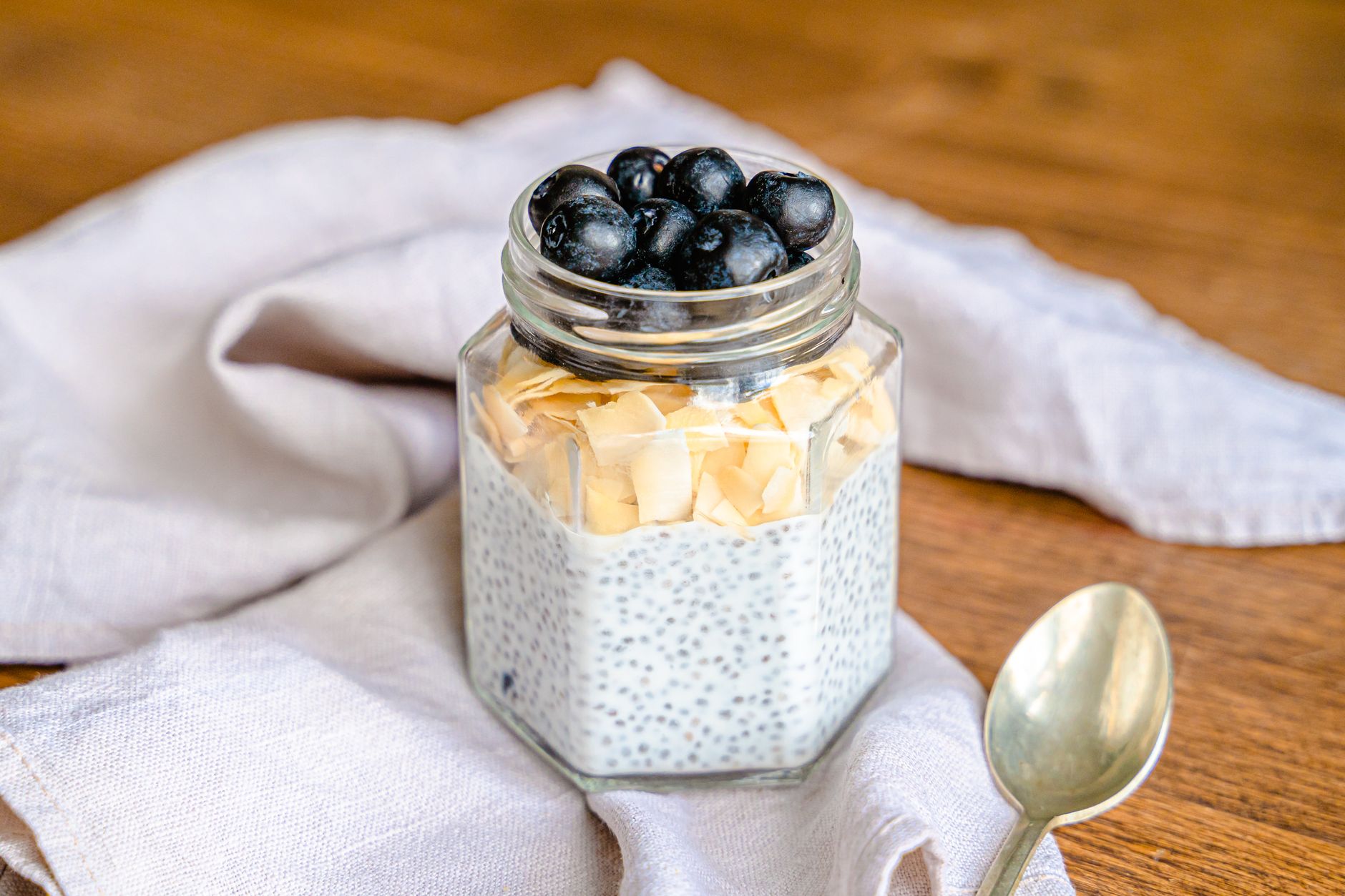
Chia seeds swell into a pudding overnight and pack fiber, protein, and the same plant-based ALA omega-3s found in walnuts. Made the night before, a jar travels well if breakfast has to happen at your desk or in the car.
Two versions worth rotating: golden milk chia pudding, which layers in turmeric, and chia flax breakfast porridge, a warm version that adds flax as another source of plant omega-3s.
4. Smoothie bowls and yogurt parfaits
Plain, unsweetened yogurt provides probiotics that support the gut lining. A 2021 study in the journal Nutrients, using the Framingham Offspring cohort, associated yogurt consumption with lower chronic inflammation markers, and layering it with berries adds the fruit’s anthocyanins on top.
Build one with coconut blueberry smoothie bowl or spinach and mango smoothie bowl, or lean into the yogurt itself with a turmeric mango lassi.
5. Green smoothies and juices
When mornings are tightest, a blended or juiced option is usually the fastest anti-inflammatory breakfast on this list. Leafy greens and fresh ginger form the base of most versions, pulling in the same spinach-and-kale staples Harvard Health lists among anti-inflammatory foods.
Pick from minty green smoothie, kiwi spinach smoothie, or anti-inflammatory green juice, depending on how much you want to chew versus drink.
6. Avocado toast with white beans
Avocado supplies monounsaturated fat, the same category of fat found in the olive oil Harvard Health lists as an anti-inflammatory staple. Built on a whole-grain base instead of white bread, this toast swaps out one of the refined carbs Harvard Health links to excess inflammation.
The avocado toast with white beans and lemon recipe adds white beans on top for extra plant protein and fiber.
7. Sweet potato breakfast hash
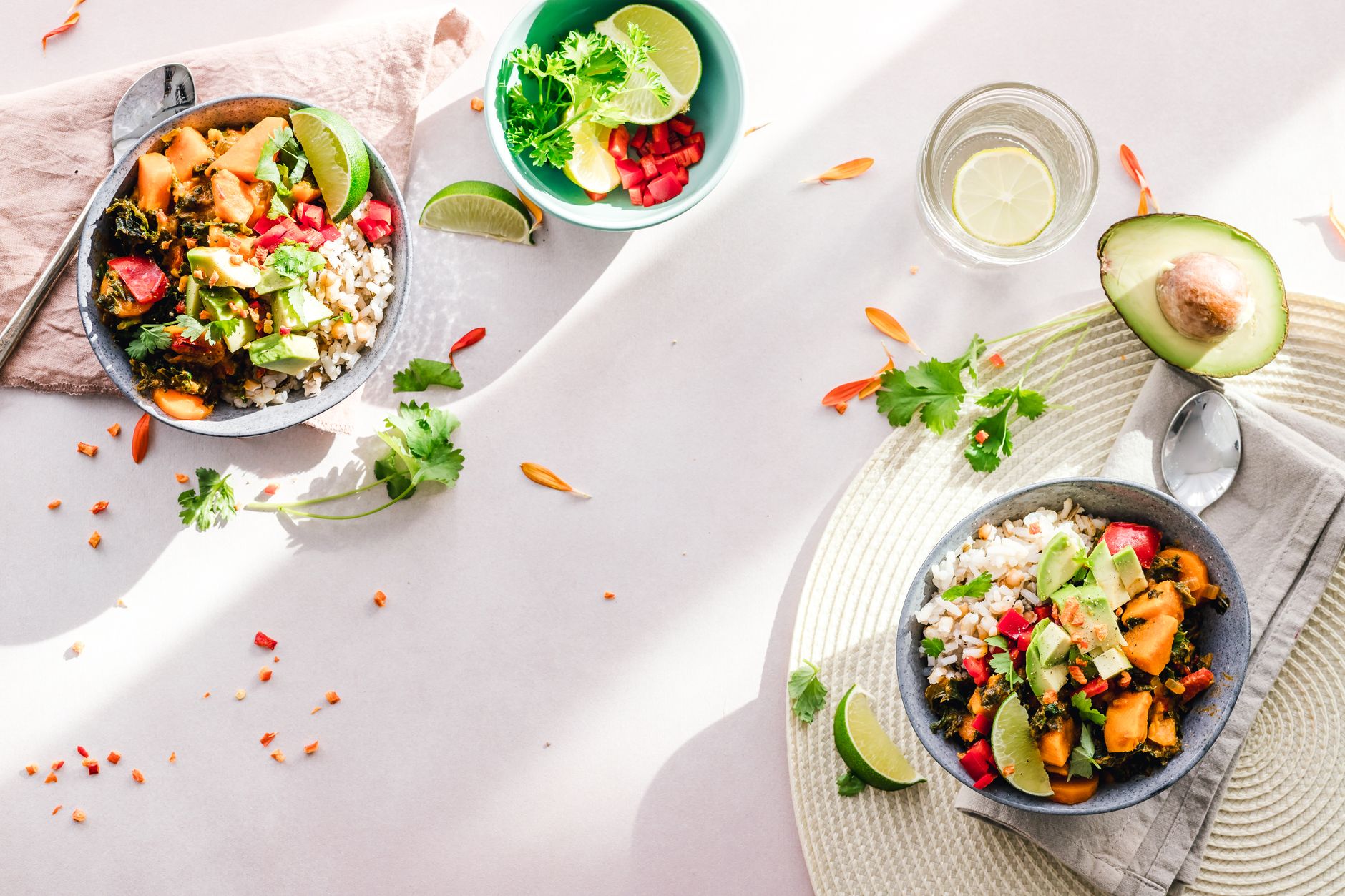
For a savory, weekend-friendly option, sweet potatoes bring beta-carotene and fiber to the plate instead of the refined starches found in a typical hash brown. Roasted with vegetables, a batch holds up well as leftovers reheated through the week.
Try sweet potato and avocado hash for the creamier version, or sweet potato, turkey and sage breakfast hash to add protein and work in kale, another of Harvard Health’s leafy green staples.
8. Veggie fritters with yogurt sauce
Fritters built from zucchini or other vegetables pack fiber and antioxidants into a savory format, and a plain yogurt sauce on top adds the same probiotics found in a parfait. Pan-fried in olive oil rather than a heavily processed oil, they lean toward the anti-inflammatory side of a fried food.
Both lemon turmeric cauliflower fritters and crispy basil zucchini fritters work as a weekend breakfast or a make-ahead lunch.
9. Turmeric quinoa breakfast bowl
Quinoa is a complete plant protein, meaning it supplies all nine essential amino acids, which makes it a sturdy base for a savory breakfast bowl instead of the usual cereal or toast. Turmeric folded through the grain adds curcumin to a meal that already carries fiber and protein.
The turmeric-spiced quinoa breakfast bowl recipe is one of the few savory anti-inflammatory breakfast bowl options on this list, worth keeping in rotation alongside the smoothie bowls.
10. Grab-and-go energy bites and muffins
For an anti-inflammatory breakfast on the go, bites and muffins made once can cover several mornings at a time, no blender or stove required once they are in the fridge or freezer. Built from oats, nuts, and fruit, they carry the same fiber and ALA omega-3s as a bowl of oatmeal, just in a portable form.
Batch a tray of carrot cake energy bites, berry bliss bars, or almond and blueberry energy muffins on a Sunday and breakfast is covered for most of the week.
Breakfast foods to limit
- Pastries and white toast: refined carbohydrates that Harvard Health links to excess inflammation.
- Sugary cereal and flavored yogurt: often high in added sugar despite looking like a health food.
- Bacon and sausage: processed meat, another category Harvard Health ties to inflammation.
- Sweetened coffee drinks and fruit juice: sugar-sweetened drinks in a breakfast disguise.
None of these need to disappear from your kitchen for good. The idea is to make them the exception at breakfast instead of the default, the same way Harvard Health frames refined carbs, fried foods, and processed meat across the rest of the day.
How to make it quick (and portable)
The fastest way to keep an anti-inflammatory breakfast quick on a weekday is to do the work the night or weekend before, not the morning of.
- Prep the night before: overnight oats and chia pudding are ready to eat straight from the fridge.
- Batch on a slower day: energy bites, muffins, and fritters keep for days once made in one go.
- Keep a default rotation: pick 2 to 3 of these ideas you actually like and let them repeat, rather than reinventing breakfast daily.
- Blend and go: a smoothie or juice takes minutes and travels in one cup.
If you would rather have a full week planned out instead of choosing meal by meal, the InflammaScan meal planner can slot these breakfasts into a broader plan. The same logic works for lunch and dinner, too: browse the wider set of anti-inflammatory recipes and build your own rotation from there.
Frequently asked questions
What should I eat in the morning to reduce inflammation?
A breakfast built around fiber-rich carbs, omega-3 fats, and antioxidant-rich fruit or vegetables fits the same pattern nutrition research links to lower inflammation. Oatmeal with berries and walnuts, a yogurt parfait, or a green smoothie all cover that pattern without needing a special ingredient list.
Can you eat scrambled eggs on an anti-inflammatory diet?
Yes, eggs work for most people on an anti-inflammatory diet since they provide quality protein without the added sugar or refined carbs Harvard Health links to excess inflammation. Pairing them with leafy greens and a drizzle of olive oil, rather than bacon and white toast, keeps the plate closer to the pattern.
What cereal can you eat on an anti-inflammatory diet?
Plain oats are the better anti-inflammatory choice over most boxed cereal, since oats provide beta-glucan, a soluble fiber that helps regulate blood sugar and cholesterol. Sugary cereal, even when marketed as healthy, often carries the added sugar Harvard Health flags as a driver of excess inflammation.
How long until an anti-inflammatory breakfast makes a difference?
One breakfast will not move a blood marker, and no single meal changes inflammation on its own. Reliable shifts in markers like CRP typically take 8 to 12 weeks of consistent eating, based on evidence from the PREDIMED trial, so what matters more is which breakfast you eat most mornings, not any single day’s plate.