Chia Seeds
Why chia seeds are anti-inflammatory
Chia seeds are anti-inflammatory, though not quite for the reason printed on the bag. They are sold as an omega-3 food, and by weight no plant carries more of it. But the form matters. Plant omega-3 arrives as a short fat that your body has to lengthen before it can work the way the omega-3 in salmon does. It manages that slowly and only in part. So chia is not oily fish in seed form; what it does, it does another way.
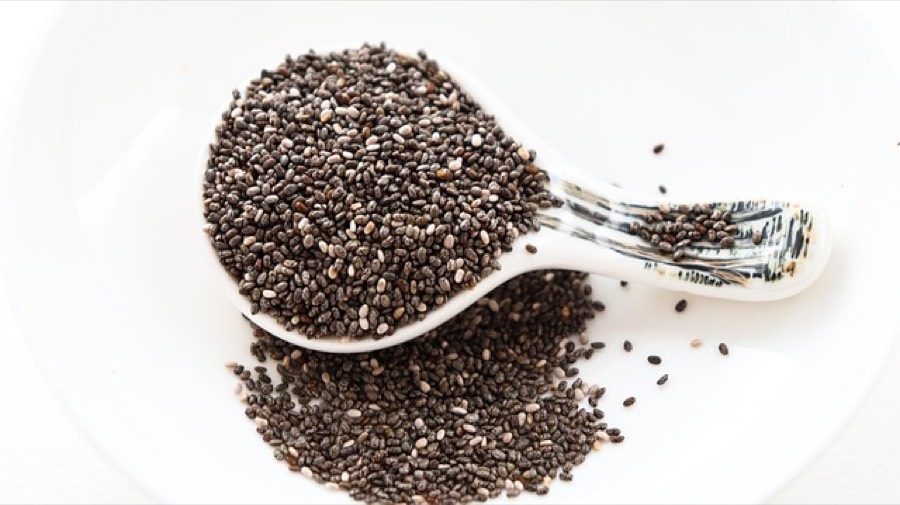
Chia earns its place near the bottom of the inflammation scale with the fibre and the hull. A third of the seed is fibre, and most of it is the kind that swells. A spoonful holds around ten times its weight in water and sets into a gel in minutes. That gel is why chia slows a meal down. The dark speckled coat does the rest: it carries the same plant acids you get from coffee and from berries. Those act as antioxidants, limiting the cell damage linked to low-grade inflammation. Eaten daily, chia has brought the main inflammation marker in a blood test down in small trials.
Two practical things decide whether you get any of that. Unlike flaxseed, chia does not need grinding: the coat softens in water and the seed gives up what it holds, so a whole spoonful counts. But never swallow it dry. It swells on the way down and can lodge in the throat. Stir it into liquid, give it a few minutes to set, then keep the portion small. Two tablespoons is a serving.

Chia Seeds on the AIP diet
Chia seeds are not allowed on the Autoimmune Protocol. The elimination phase takes out every nut and seed. That stings if you bake, because chia is the standard stand-in for eggs outside the protocol, and on AIP the eggs are gone too. The job falls to gelatin, mashed banana or pureed pumpkin instead. Seeds are not a long wait: they come back early in the reintroduction, and chia is a reasonable one to test first.
Benefits
- The richest plant source of omega-3 by weight, though in a form the body only partly converts
- A third of the seed is fibre, and most of it sets into a gel that slows a meal down
- Whole seeds work: unlike flaxseed, chia does not need grinding
- Two tablespoons carry about as much calcium as half a glass of milk
Watch out for
- The omega-3 is the plant form, and little of it becomes what oily fish gives
- Swallowed dry it swells and can lodge in the throat, so put it in liquid first
- A big jump in fibre brings bloating and cramps for a week or two
- Around 140 calories in two tablespoons, easy to miss by the spoonful
Frequently asked
Are chia seeds inflammatory?
No, chia seeds are anti-inflammatory. Most of the work is done by the fibre, which sets into a gel and slows a meal down, and by the antioxidant compounds in the dark hull. The omega-3 helps, but less than the front of the bag suggests.
Do chia seeds give you the same omega-3 as fish?
Not really. Chia carries the plant form, a shorter fat your body has to lengthen before it can use it the way it uses the omega-3 in salmon, and it only converts a small share. Chia is worth eating for other reasons. If you want what fish gives you, eat fish.
Do you have to grind chia seeds?
No, and this is where chia differs from flaxseed. A flax seed has a hard shell that mostly passes through you intact, so it needs grinding. The chia coat softens as soon as it meets water, which is why whole chia counts and why it always goes into liquid first.
Are chia seeds allowed on the AIP diet?
No, not during the elimination phase, which removes every nut and seed. Seeds come back early in the reintroduction, though, and chia is a sensible one to test first because it is eaten in small amounts and on its own.
Anti-inflammatory recipes with Chia Seeds
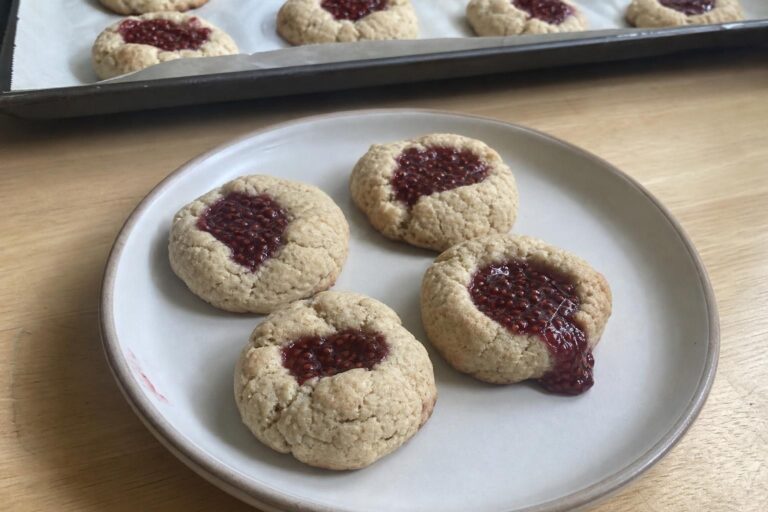
Raspberry Chia Jam Thumbprint Cookies Recipe

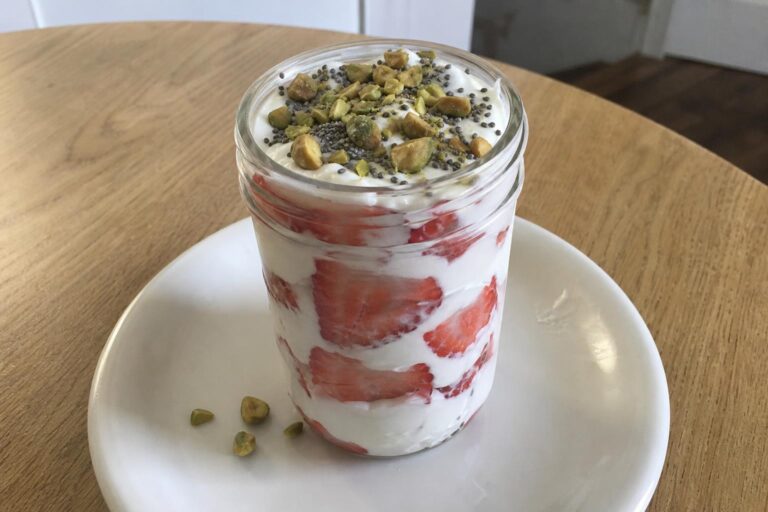
Strawberry Pistachio Yogurt Parfait Recipe

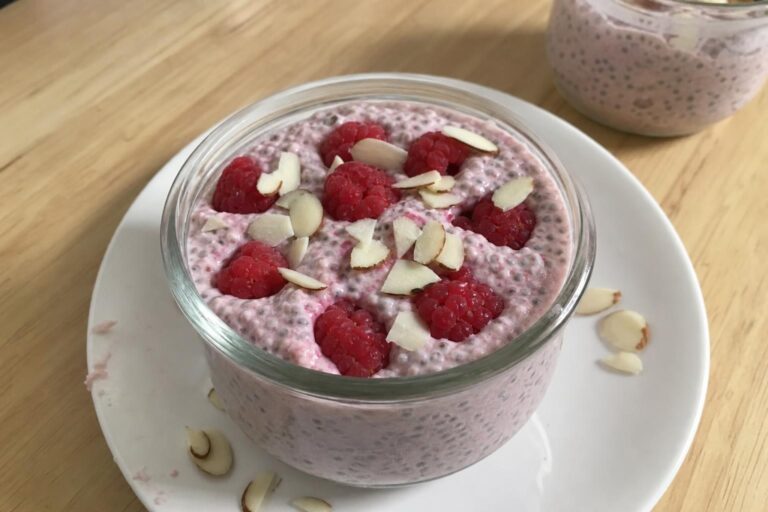
Raspberry Almond Chia Pudding Recipe

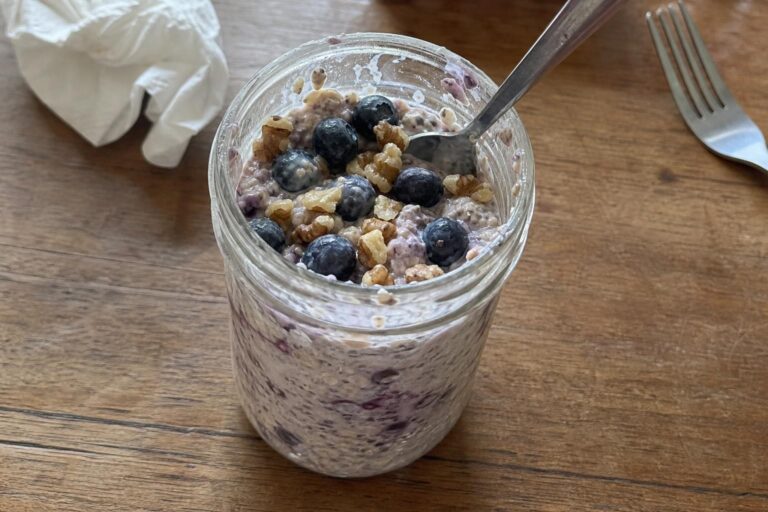
Blueberry Walnut Overnight Oats Recipe

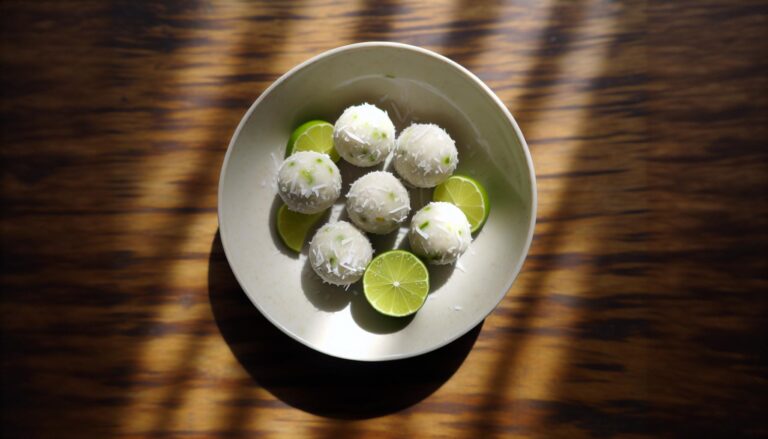
Coconut Lime Energy Balls Recipe