Salmon
Why salmon fights inflammation
Salmon is widely considered one of the most anti-inflammatory foods you can eat, and the reason is its omega-3 fats. They calm the same response your body switches on to fight an injury. That response is useful for a few days and damaging when it never switches off. In studies, these fats measurably lower the signs of inflammation that show up in a blood test.
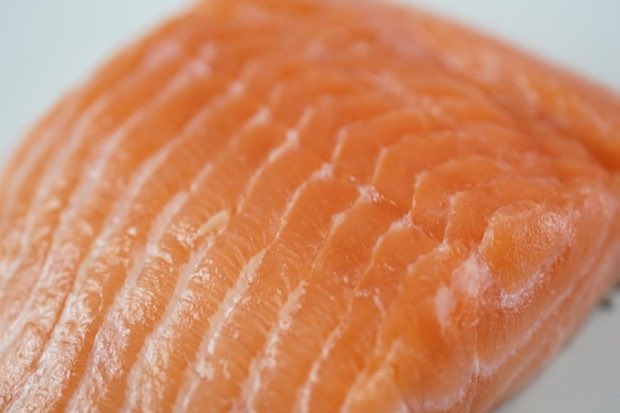
The pink colour comes from astaxanthin, an antioxidant that adds a second layer of protection. Wild-caught salmon carries more of both than farmed, and fewer contaminants. But even farmed salmon beats most other proteins on this scale.
Salmon on the AIP diet
Wild-caught salmon is a cornerstone protein of the Autoimmune Protocol. It stays on the plate during the elimination phase and through every reintroduction stage, which makes it one of the safest proteins to build meals around.
Benefits
- EPA & DHA lower inflammatory markers
- Complete, highly digestible protein
- Astaxanthin, a rare antioxidant
- Supports heart and brain health
Watch out for
- Farmed salmon: fewer omega-3s, more contaminants
- Smoked versions add nitrates and sodium
- Frying destroys part of the omega-3 content
Frequently asked
Is salmon inflammatory?
No. Salmon actively reduces inflammation thanks to its omega-3 content. Wild-caught is the best choice.
Wild-caught or farmed, does it matter?
It does. Wild salmon has a better omega-3 to omega-6 ratio and fewer contaminants. If farmed is your only option, it still beats most other proteins.
How much salmon should I eat?
Two to three servings of fatty fish a week is the amount most often linked to lower inflammatory markers.
Is salmon allowed on the AIP diet?
Yes, in every phase. Fatty fish is one of the proteins the Autoimmune Protocol encourages from day one of the elimination phase.