Dinner is where an anti-inflammatory way of eating usually falls apart. Breakfast is one bowl and lunch is often eaten alone at a desk, but dinner shows up at the end of a tired day with more mouths to feed and less patience for anything complicated.
The fix isn’t a stricter diet. It’s a short list of recipes worth keeping on repeat, built around the same anti-inflammatory pattern nutrition research keeps pointing to.
These are the 15 anti-inflammatory dinner recipes in this roundup:
- Broccoli Cashew Stir Fry with Ginger Sauce
- Chickpea and Zucchini Stir Fry
- Ginger Chili Tempeh Stir Fry
- Wild Salmon Poke Bowl
- Ginger-Lime Grilled Shrimp
- Simple Lemon Herb Roasted Chicken
- Almond-Crusted Baked Cod
- Sweet Potato Lentil Tacos with Slaw
- Turmeric Tahini Veggie Burger
- Hearty Lentil and Broccoli Rice Casserole
- Basil Hemp Pesto Pasta
- Chickpea and Spinach Stew with Cumin
- Miso and Ginger Roasted Veggie Bowl
- Coconut Curry Zoodle Bowl
- Pomegranate and Walnut Kale Salad
What makes a dinner anti-inflammatory?
Dinner has one advantage breakfast and lunch don’t: there’s usually room on the plate for more than one component, which makes the anti-inflammatory formula easier to hit than at any other meal.
The pattern nutrition research keeps coming back to is simple. Fill half the plate with vegetables, add a palm-sized portion of protein (fatty fish, legumes, or poultry more often than red meat), cook with olive oil as the default fat, and season with spices that carry their own anti-inflammatory compounds, like turmeric, ginger, and garlic.
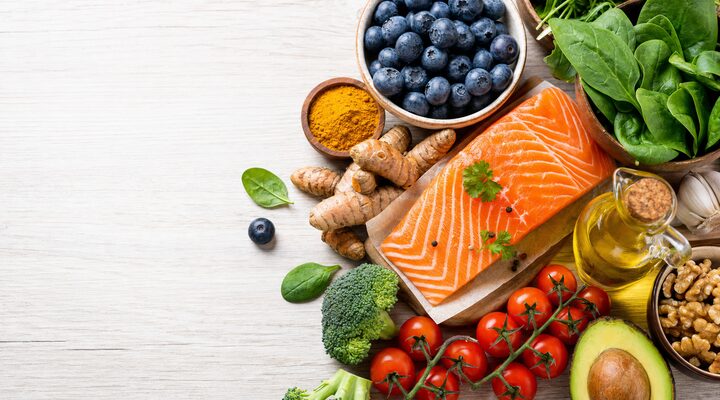
Harvard Health lists the foods worth building that formula around: tomatoes, olive oil, green leafy vegetables, nuts, fatty fish such as salmon and sardines, and berries. A dinner that leans on two or three of these instead of defaulting to refined carbs and a slab of red meat already fits the pattern.
If you want that same formula carried across three full weeks instead of one meal at a time, our 21-day anti-inflammatory diet plan puts these building blocks into a full menu, dinner included. The 15 recipes below are the dinner slice of that pattern, built to stand on their own.
Quick anti-inflammatory dinners ready in about 30 minutes
These quick anti-inflammatory dinner recipes are built around a stir fry, a bowl, or a few minutes on the grill, so dinner is ready before hunger turns into a takeout order.
Broccoli Cashew Stir Fry with Ginger Sauce
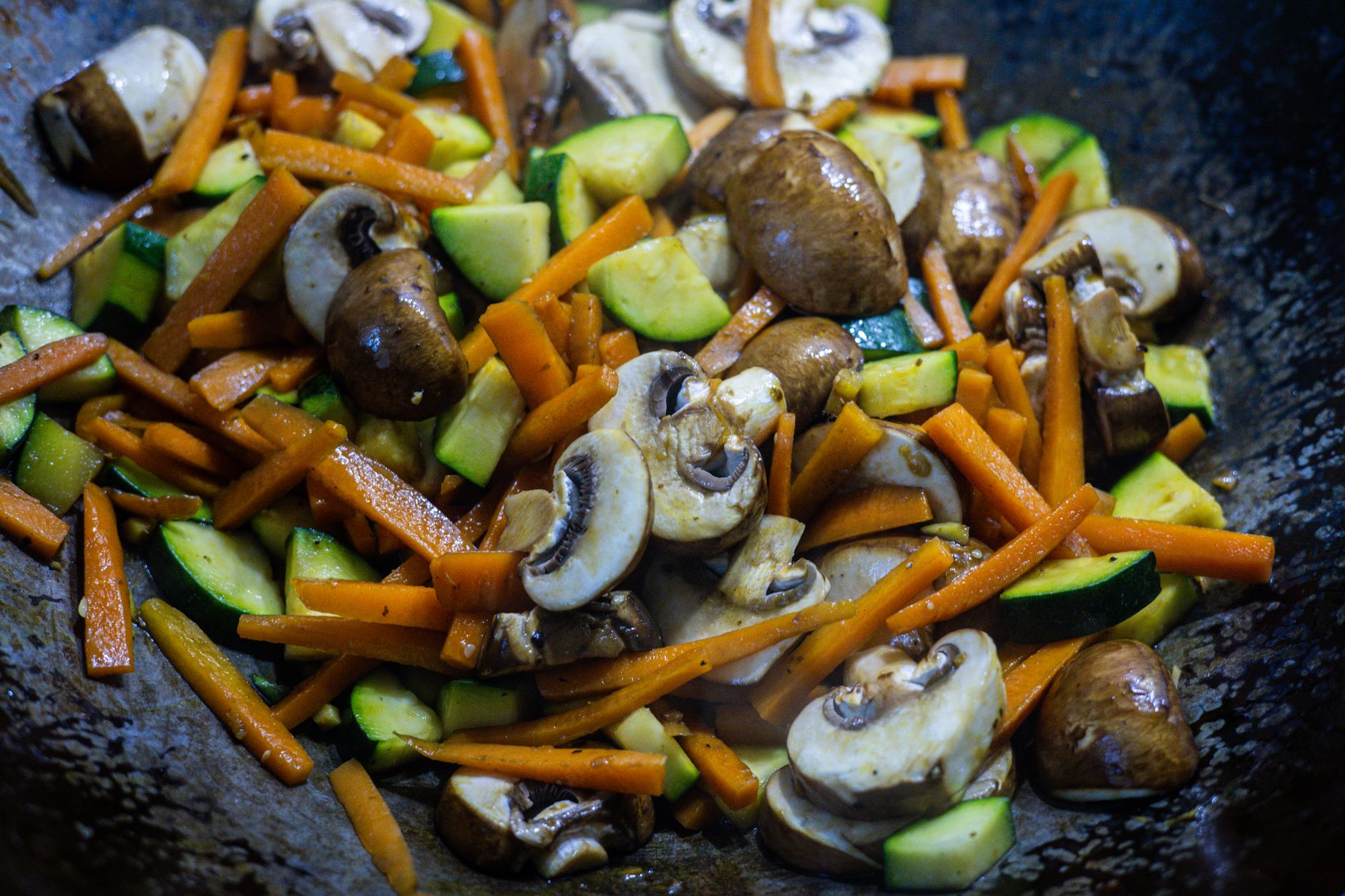
This stir fry pairs broccoli and cashews in a sauce built around fresh ginger, ready in about the time it takes rice to cook. Ginger’s active compound, gingerol, is one of the more studied anti-inflammatory compounds in food, and broccoli adds sulforaphane along with fiber that a plate of rice alone wouldn’t provide. The broccoli cashew stir fry with ginger sauce recipe keeps the sauce light enough for a weeknight.
Chickpea and Zucchini Stir Fry
Swap the protein and this stir fry works just as well as a meatless weeknight option. Chickpeas bring fiber and plant polyphenols to the pan, and zucchini adds volume without many calories, so the plate fills out the way an anti-inflammatory, produce-heavy pattern calls for. The full method is in the chickpea and zucchini stir fry recipe, which cooks in one pan start to finish.
Ginger Chili Tempeh Stir Fry
Tempeh, made from fermented whole soybeans, holds its texture better than tofu in a stir fry and carries more fiber per serving. The chili and ginger here do double duty: gingerol brings the same anti-inflammatory compound as the broccoli cashew version above, while the chili keeps the dish from tasting one-note. Find the full method in the ginger chili tempeh stir fry recipe.
Wild Salmon Poke Bowl
Built on rice, vegetables, and cubed raw salmon, a poke bowl is one of the simplest ways to work fatty fish into a weeknight dinner. Salmon is one of the fatty fish Harvard Health names directly as an anti-inflammatory staple, thanks to its omega-3 fatty acids. The wild salmon poke bowl recipe shows how to build the bowl without a specialty market run.
Ginger-Lime Grilled Shrimp
Shrimp cooks in minutes on a hot grill or pan, which makes this one of the fastest anti-inflammatory dinner recipes on this list. A ginger-lime marinade adds gingerol before the shrimp ever hits the heat, and the dish stays lean enough to pair with almost any vegetable side. Get the marinade ratios in the ginger-lime grilled shrimp recipe.
Family-friendly anti-inflammatory dinners
These easy anti-inflammatory dinner recipes for family tables lean on familiar formats (tacos, pasta, a burger, and a roast chicken), so picky eaters don’t notice anything unusual on the plate.
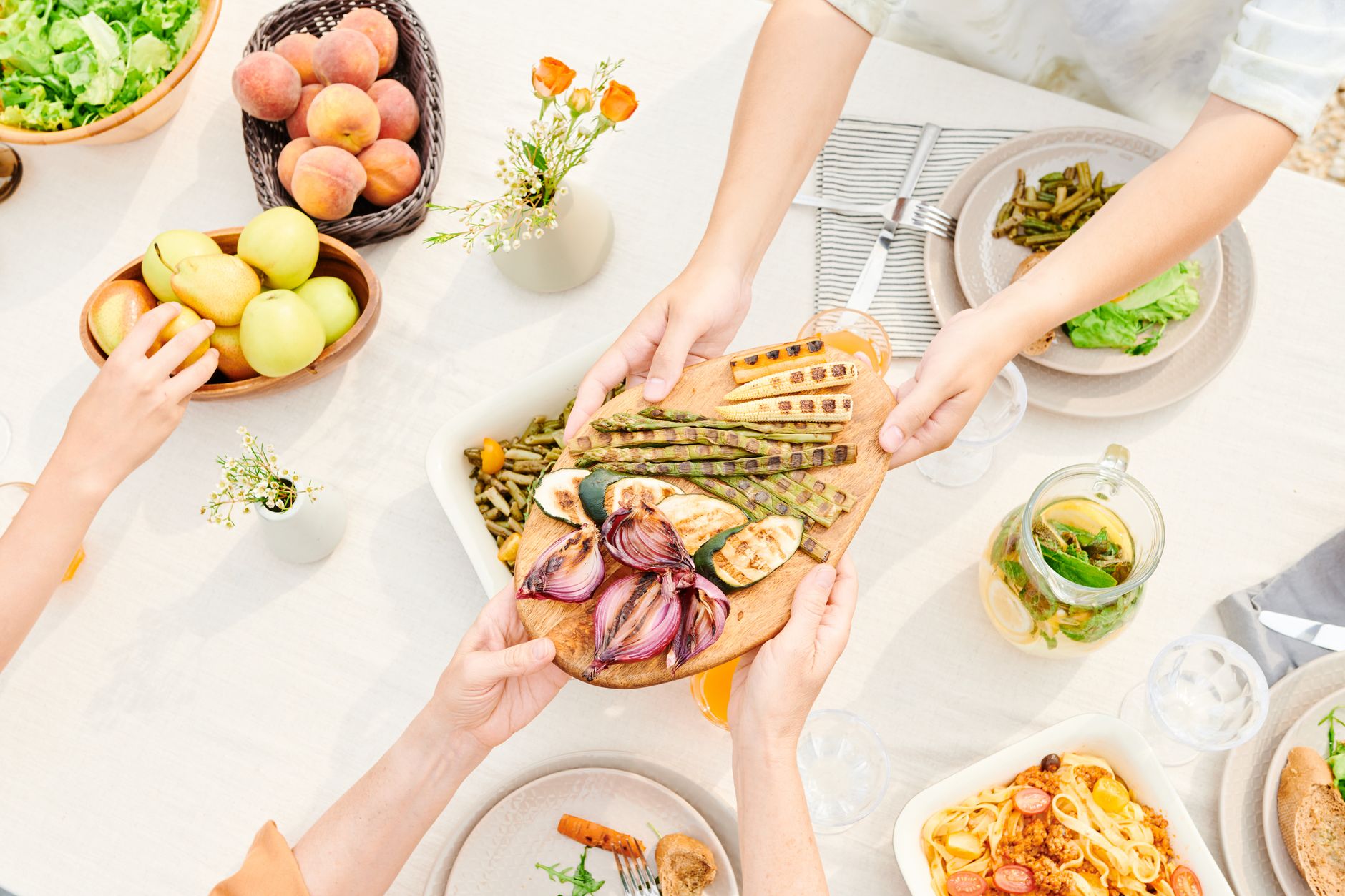
Simple Lemon Herb Roasted Chicken
A whole chicken, seasoned simply with lemon and herbs, is the kind of dinner that doesn’t need to be announced as healthy to get eaten. Poultry gives the plate lean protein without the saturated fat load of red meat, and roasting instead of frying keeps the cooking method on the better side of Harvard Health’s food list. The simple lemon herb roasted chicken recipe scales easily for leftovers.
Almond-Crusted Baked Cod
Cod’s mild flavor makes it one of the easier fish dinners to serve to kids who are skeptical of anything more assertive than chicken tenders. A crust of crushed almonds adds monounsaturated fat and vitamin E instead of the breadcrumbs a standard fish stick relies on. The almond-crusted baked cod recipe bakes rather than fries, which keeps it off Harvard Health’s fried-food list.
Sweet Potato Lentil Tacos with Slaw
Tacos are an easy format to get a picky table to eat vegetables without much negotiation. Sweet potato brings beta-carotene, lentils add fiber and plant polyphenols, and a crunchy slaw on top keeps the vegetable half of the plate doing real work rather than sitting on the side. The full method is in the sweet potato lentil tacos with slaw recipe.
Turmeric Tahini Veggie Burger
This burger keeps burger night on an anti-inflammatory dinner ideas list without asking anyone to give up the bun. The patty leans on turmeric for curcumin, one of the most studied anti-inflammatory compounds in food, and a tahini sauce for the same kind of unsaturated fat olive oil provides. Instructions are in the turmeric tahini veggie burger recipe.
Hearty Lentil and Broccoli Rice Casserole
Casseroles are forgiving on a night when nobody wants to watch a stove, and this one bakes lentils, broccoli, and rice together in a single dish. Lentils supply fiber and plant protein, while broccoli contributes sulforaphane, a compound tied to the same anti-inflammatory reputation as other cruciferous vegetables. The hearty lentil and broccoli rice casserole recipe makes enough for next-day lunches too.
Basil Hemp Pesto Pasta
Pasta night gets an anti-inflammatory upgrade when the sauce is a pesto of basil, hemp seeds, garlic, and olive oil instead of cream or a jar of something ultra-processed. Hemp seeds carry the same plant omega-3, ALA, that has been linked to lower levels of C-reactive protein, an inflammation marker, and extra virgin olive oil is one of Harvard Health’s anti-inflammatory staples. Toss it with whatever pasta shape your family already likes, using the basil hemp pesto pasta recipe.
Lighter dinners: bowls, curries, and salads
These lighter anti-inflammatory dinner ideas lean on bowls, curries, and a no-cook salad for nights when a heavier meal doesn’t sound right.
Chickpea and Spinach Stew with Cumin
This stew simmers chickpeas, tomatoes and spinach in a cumin-scented broth, and mashing part of the chickpeas thickens it without cream or flour. Chickpeas add fiber and plant protein, and spinach folds in another of Harvard Health’s leafy green staples. Full simmer times are in the chickpea and spinach stew with cumin recipe.
Miso and Ginger Roasted Veggie Bowl
Roasting concentrates the natural sweetness in sweet potatoes while keeping their beta-carotene intact, and broccoli and red bell pepper roast on the same tray. A miso and ginger dressing ties it together, and the bowl holds up as well cold from the fridge as it does hot from the oven. Build your own version from the miso and ginger roasted veggie bowl recipe.
Coconut Curry Zoodle Bowl
Zucchini noodles stand in for pasta here, cutting the refined-carb base Harvard Health links to excess inflammation without cutting the amount of food on the plate. A coconut curry sauce built on ginger and turmeric carries gingerol and curcumin into every bite. The coconut curry zoodle bowl recipe works with a spiralizer or a bag of pre-cut zoodles.
Pomegranate and Walnut Kale Salad
Massaged kale softens enough to eat raw, and this salad tops it with pomegranate seeds and walnuts for a dinner that needs no cooking at all. Pomegranate contributes its own polyphenols, walnuts add ALA omega-3s, and an olive oil dressing keeps the fat on the plate the same monounsaturated type Harvard Health lists as a staple. Toss it together using the pomegranate and walnut kale salad recipe.
Dinner foods that work against you
The flip side of the plate formula is knowing what crowds it out. Harvard Health’s list of foods to limit reads the same at dinner as at any other meal, and a few show up more at night than anywhere else.
- Fried foods: fried appetizers and sides add up fast when they anchor the plate instead of showing up as an occasional treat.
- Refined carbs as the base: white bread, white pasta, and white rice used as the main event rather than a side.
- Sugar-sweetened drinks with dinner: soda or sweetened iced tea poured alongside a meal that’s otherwise on track.
- Red and processed meat as the nightly default: fine occasionally, but not the protein on every plate.
None of this means banning any of it outright. The swap is what matters: a lentil casserole instead of pasta as the base a few nights a week, water or unsweetened tea instead of soda, fish or legumes standing in for red meat more nights than not.
How to turn these recipes into a week of dinners
Fifteen recipes is more choice than anyone needs for one week, and that’s the point: pick 3 to 4 that sound good to your household and let them repeat before reaching for something new.
A few ways to make the rotation easier:
- Batch the grains and sauces: cook a big pot of rice or quinoa and a double batch of a sauce like the ginger dressing above, then reuse both across two or three different dinners.
- Repeat what works: if the lemon herb chicken disappears fast, put it back on the rotation instead of forcing variety for its own sake.
- Keep one quick option on hand: a stir fry or grilled shrimp recipe for the nights when 30 minutes is all you have.
Browse the wider set of anti-inflammatory recipes when you want to add to the rotation, or let the InflammaScan meal planner slot these dinners into a full week alongside breakfast and lunch.
Frequently asked questions
What is the fastest anti-inflammatory dinner I can make?
A stir fry or a grilled seafood dish is typically the fastest anti-inflammatory dinner option, since both cook in about the time it takes to prepare a side of rice or vegetables. The ginger-lime grilled shrimp and the broccoli cashew stir fry in this roundup both come together in well under 30 minutes.
Can I eat anti-inflammatory dinners on a budget?
Yes, some of the most budget-friendly anti-inflammatory dinner ingredients, like lentils, chickpeas, black beans, and eggs, cost less per serving than meat or fish. Building a dinner around legumes, whole grains, and seasonal vegetables, with fish or poultry a couple of nights a week, keeps the pattern affordable without dropping the ingredients that matter most.
Is chicken OK on an anti-inflammatory diet?
Yes, poultry fits an anti-inflammatory diet as a lean protein source, especially compared with red or processed meat, the categories Harvard Health links to excess inflammation. Roasting, grilling, or baking chicken rather than frying it, and pairing it with vegetables and olive oil rather than gravy or a cream sauce, keeps it in line with the pattern.
What should I avoid eating at dinner if I have inflammation?
Fried foods, refined carbohydrates like white bread and white pasta, sugar-sweetened drinks, and red or processed meat are the dinner foods Harvard Health links to excess inflammation. None of these need to disappear completely: treating them as the occasional plate instead of the nightly default is what the research points to.