Blueberries
Why blueberries are anti-inflammatory
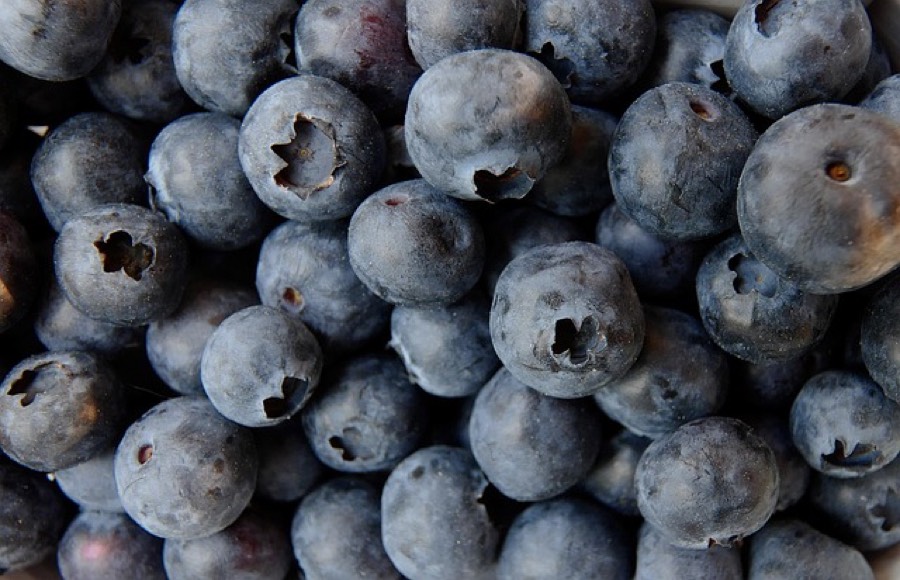
Blueberries are anti-inflammatory, and the active compounds are anthocyanins, the pigments that make a blueberry blue. Very little of what you eat gets into the blood intact. Most of it travels down to the large intestine, where your gut bacteria take it apart into smaller pieces, and those pieces are what circulate. So the berry is only half of the story. The other half is whatever is living in your gut, which is part of why the same handful does more for one person than for another.
The effect turns up in an unusual place. The general signs of inflammation a doctor reads in a blood test barely move. What moves is the lining of your blood vessels, and that lining is where low-grade inflammation does much of its damage. In healthy older adults, a daily dose of wild blueberry powder for three months improved how well those vessels open up.
Frozen blueberries count. The colour survives the freezer, and the fruit is picked ripe instead of picked hard so it can travel. It also costs a fraction of fresh, with no season to wait for. Wild blueberries are smaller and darker all the way through, so a cup of them carries more anthocyanins than a cup of the big cultivated ones.
Blueberry juice and blueberry muffins do not count. One throws away the fibre and keeps the sugar, and the other was never about the fruit. About a cup a day, fresh or frozen, is what the trials use.

Blueberries on the AIP diet
Blueberries are allowed on the Autoimmune Protocol in every phase, elimination included. They are a fruit, so they sit clear of the grains, legumes, nuts, seeds, nightshades and dairy that the elimination phase removes. They also do more work than their size suggests: with sugar and every dessert gone, a bowl of berries is one of the few sweet things left standing, and they are low enough in sugar to fit the daily fruit cap.
Benefits
- Carry anthocyanins, the compounds that make a blueberry blue and the reason it scores where it does
- Eaten daily for three months, they improved how well the blood vessels of older adults open up
- Brought blood pressure down slightly in those same older adults
- Sweet enough to stand in for a dessert while staying one of the lower-sugar fruits
Watch out for
- General inflammation markers barely move; the change shows up mostly in people whose levels are already high
- Blueberry juice throws away the fibre and keeps the sugar
- Dried blueberries are usually sweetened, which puts them closer to a sweet than to fruit
- Fresh out of season costs a lot and is often picked hard, which is where frozen wins
Frequently asked
Are blueberries inflammatory?
No, blueberries are anti-inflammatory. Their clearest effect is on the lining of the blood vessels, which is where low-grade inflammation does most of its damage. Eaten every day for a few months, they improve how well those vessels open up.
Are frozen blueberries as good as fresh?
Yes, and usually better value. The colour compounds survive freezing, and frozen fruit is picked ripe instead of picked hard so it can travel. Fresh is nicer to eat by the handful. For porridge or a smoothie, frozen does the same job for a fraction of the price.
How many blueberries a day?
About a cup, which is roughly what the trials use. There is nothing magic about the number. It is simply enough to matter without turning a bowl of fruit into a lot of sugar.
Are blueberries allowed on the AIP diet?
Yes, in every phase including elimination. They are a fruit, so they avoid the grains, legumes, nuts, seeds, nightshades and dairy that AIP removes. The only thing to watch is the total fruit sugar across the day, and blueberries are on the lower end for that.
Anti-inflammatory recipes with Blueberries

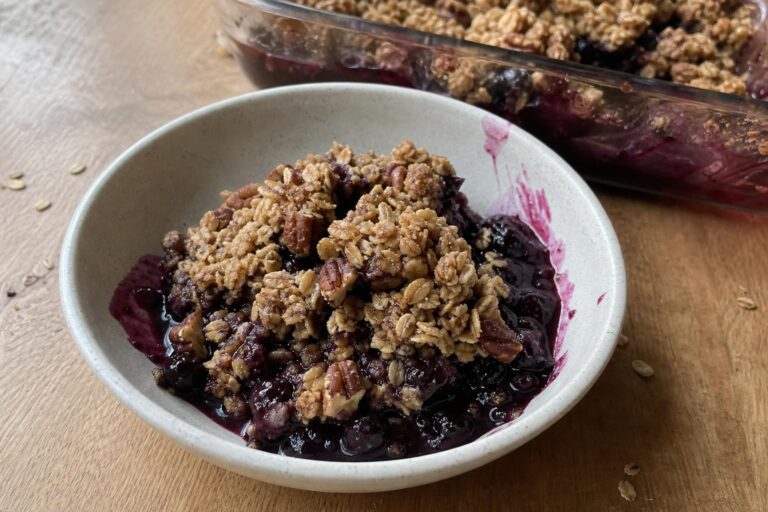
Blueberry Oat Crumble Recipe

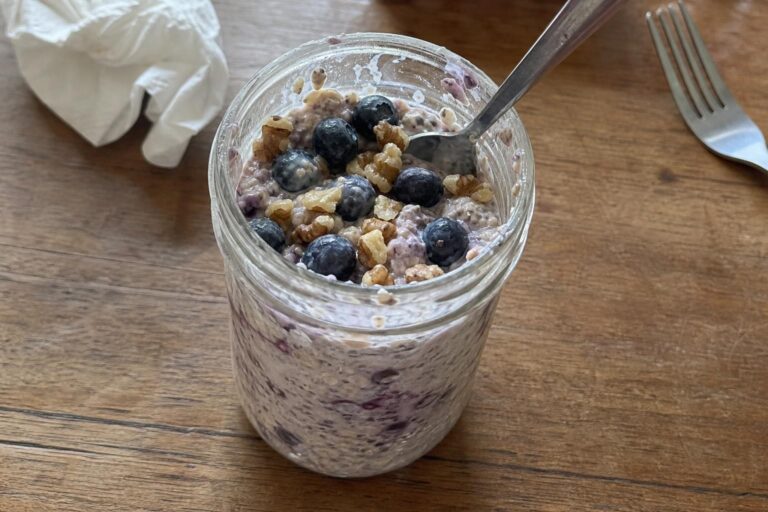
Blueberry Walnut Overnight Oats Recipe

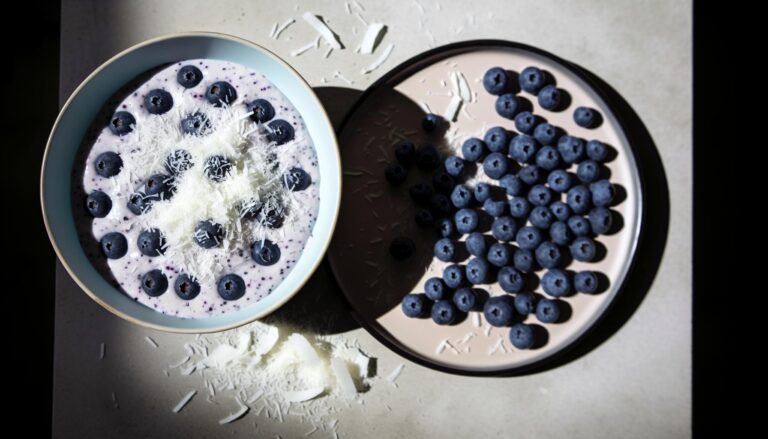
Coconut Blueberry Smoothie Bowl Recipe

Blueberry Spinach Protein Smoothie Recipe

Almond and Blueberry Energy Muffins Recipe