Quinoa
Why quinoa is anti-inflammatory
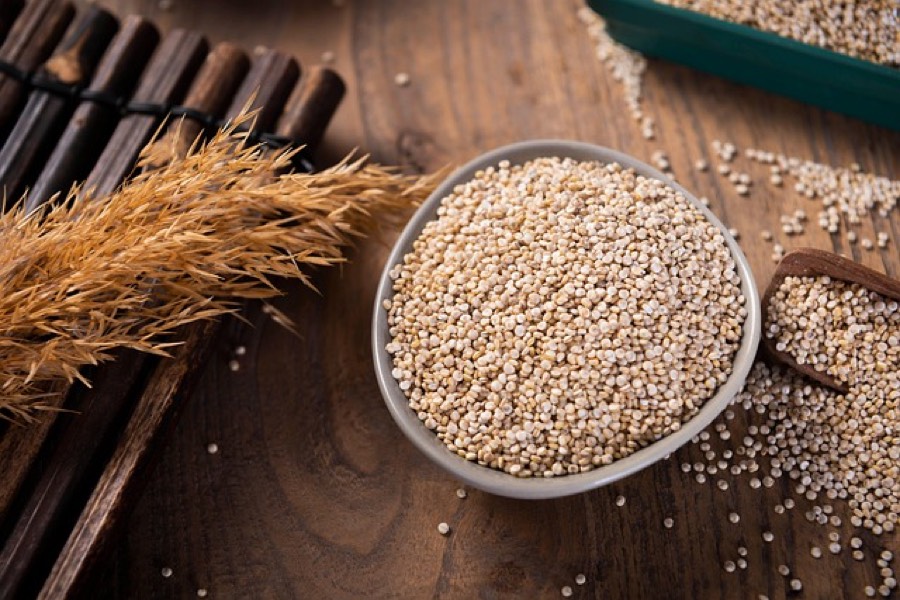
Quinoa is anti-inflammatory, and the reason starts with what it is: a seed, not a grain. It ended up on the grain shelf because it cooks like one. A seed has a different job from a cereal. It has to feed a seedling, so it stores protein, fat and minerals where a grain stores starch. You eat the whole thing too, so none of it gets milled away.
Dry quinoa is about a seventh protein, and unlike wheat or rice it carries a full set of the amino acids the body cannot build for itself. Protein and fibre both hold starch back, so blood sugar rises as a slope rather than a spike, and that is the part that matters over years. In people already having trouble handling sugar, swapping half the daily bread and rice for quinoa controlled it better than swapping in other whole grains. The seed coat adds magnesium and quercetin, the same plant antioxidant you get from onions and apples.
Quinoa scores 2 out of 10 on the inflammation scale, and the one thing to do before cooking it is rinse it. The seed grows with a bitter coating of saponins, and it tastes faintly of soap. Plenty of bags come pre-washed, plenty do not. Tip it into a sieve, run cold water through it, rub it with your fingers and stop when the foam stops.
Then keep it in proportion. Quinoa is a starchy side, not a salad leaf, and a cup cooked is a portion.

Quinoa on the AIP diet
Quinoa is not allowed on the Autoimmune Protocol. Being a seed rather than a cereal sounds like it should get through a protocol built around grains, and it does not: AIP takes out seeds as well, and the saponins in quinoa's coat are exactly the plant defence the elimination phase clears out. The wait is shorter than for bread, because seeds come back early. Meanwhile cauliflower rice is the usual stand-in.
Benefits
- A seed rather than a cereal, so it brings protein and minerals, not mostly starch
- Carries a full set of the amino acids the body cannot build, which few plants manage
- Gluten free in the seed itself, not because of anything done to it afterwards
- You eat the whole seed, so the magnesium, fibre and antioxidants in the coat stay
Watch out for
- The coat carries bitter saponins, so an unrinsed bag tastes faintly of soap
- Still a starchy side, and it is easy to serve a bowlful as though it were salad
- About 220 calories in a cooked cup, more than the same volume of vegetables
- Carries phytic acid, which holds on to part of the iron and zinc in the meal
Frequently asked
Is quinoa anti-inflammatory?
Yes. What does the work is that quinoa is a seed rather than a cereal, so the protein, the magnesium and the plant antioxidants come attached to the starch instead of milled away from it. That mix slows a meal down and keeps blood sugar steadier, and steadier blood sugar is one of the plainest ways of keeping inflammation low over years.
Is quinoa gluten free?
Yes, and unlike oats it is gluten free in the seed itself rather than thanks to how it was handled. The only catch is the mill. Quinoa is sometimes processed on equipment that also runs wheat, so with coeliac disease look for the certified label instead of assuming.
Do you have to rinse quinoa?
Usually, and it takes a minute. The seed grows with a bitter coating of saponins that tastes faintly of soap. Plenty of bags are pre-washed and say so on the front, plenty are not. Run it under cold water in a sieve, rub it with your fingers, and stop when the water stops foaming.
Is quinoa allowed on the AIP diet?
No, not during the elimination phase. Being a seed rather than a grain does not get it through, because AIP removes seeds too, and the saponins in the coat are the sort of thing the protocol is trying to clear out. It does come back with the seeds, which is earlier than grains.
Anti-inflammatory recipes with Quinoa

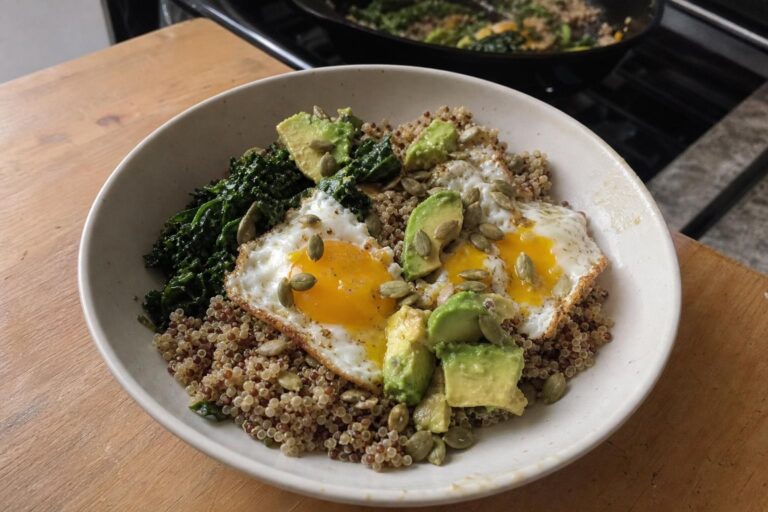
Savory Quinoa Breakfast Bowl with Kale and Eggs Recipe

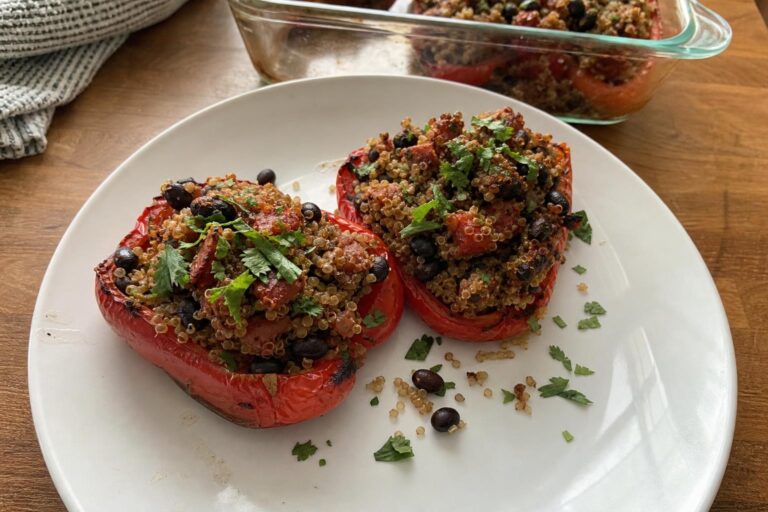
Quinoa-Stuffed Bell Peppers with Black Beans Recipe

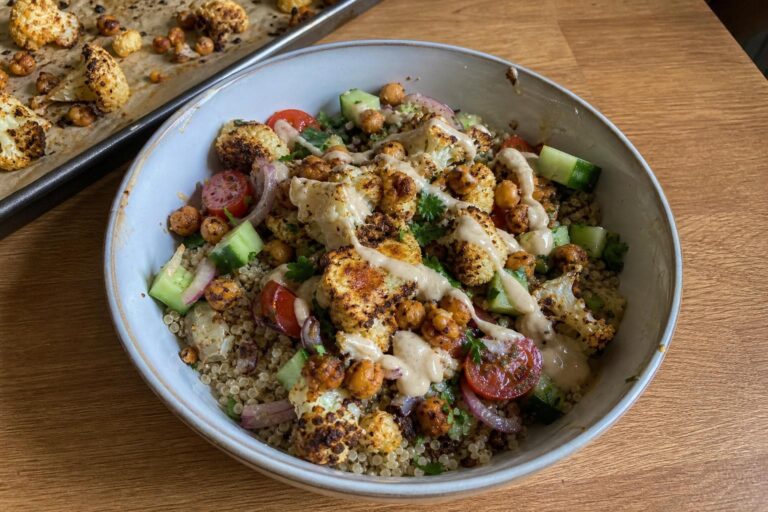
Roasted Cauliflower and Chickpea Shawarma Bowls Recipe

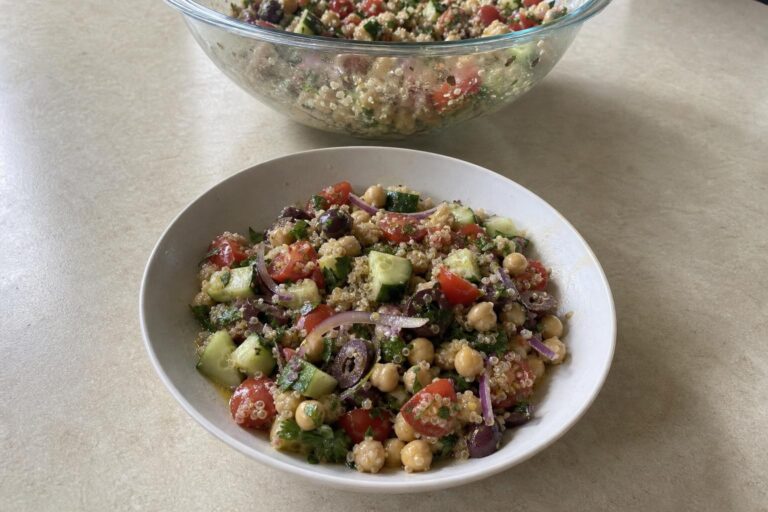
Mediterranean Chickpea and Quinoa Salad Recipe

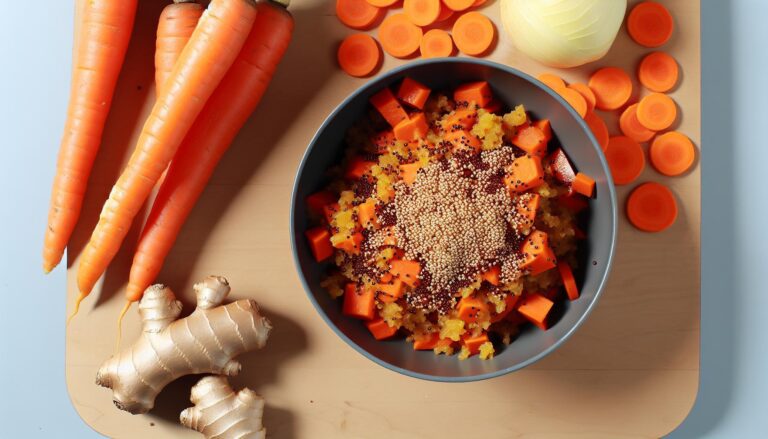
Spicy Ginger Carrot Quinoa Stir Fry Recipe