Sardines
Sardines are anti-inflammatory, and the reason is the fat packed into such a small fish.
Some foods calm inflammation. Others fuel it. And most of what you eat every day falls somewhere in between.
We've reviewed the scientific evidence behind each food and assigned it a score from 1 to 10 on the inflammation scale. Here you'll discover why a food may be inflammatory or anti-inflammatory, what to eat instead when it scores poorly, and recipes featuring foods with potential health benefits. Start with the food you eat most often.
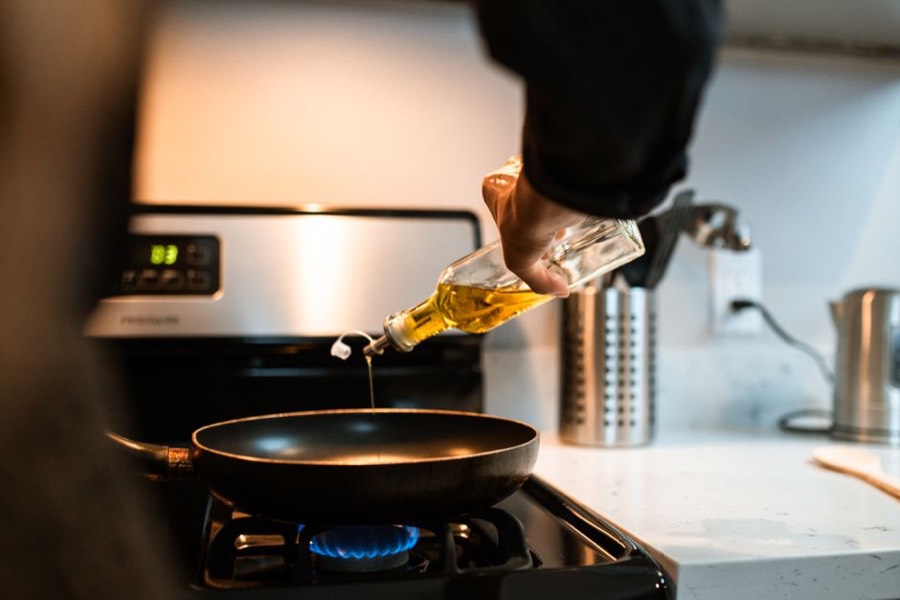
Vegetable oil is inflammatory. The bottle sold under that name is a blend of soybean, rapeseed or sunflower oil, refined until it keeps for months and tastes of nothing.
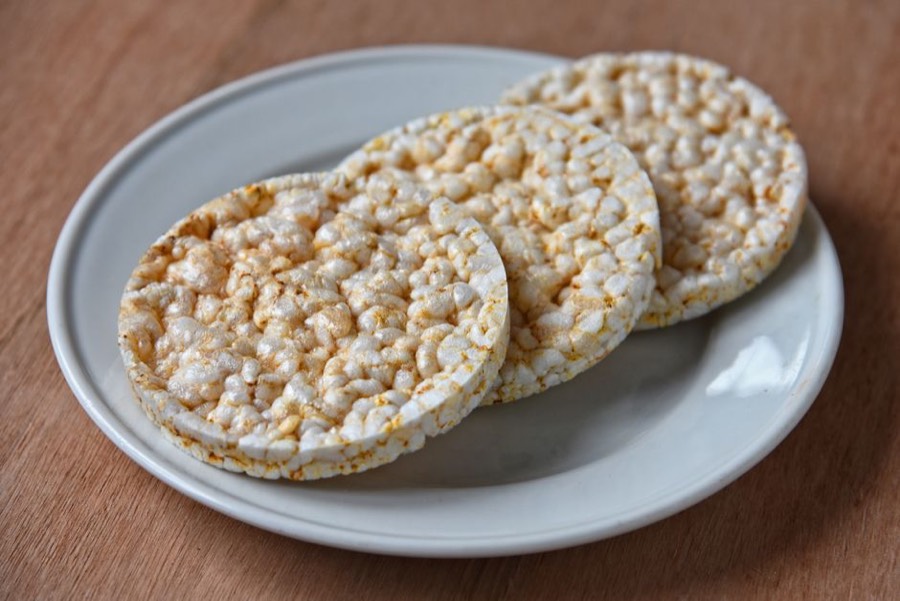
Rice cakes are inflammatory, even the plain ones. They are made by heating milled white rice under pressure until the grains puff and stick together in a disc.
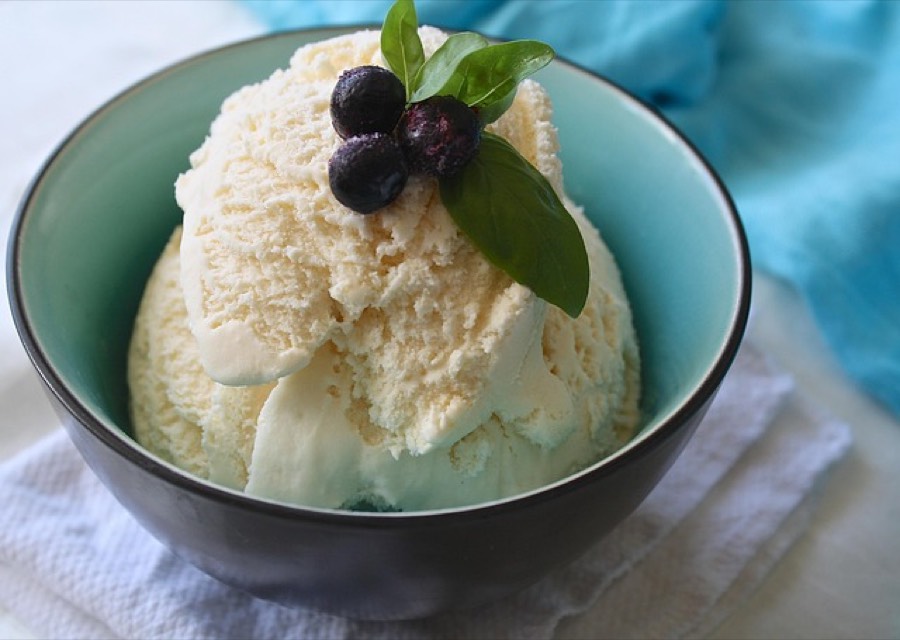
Ice cream is inflammatory. It is milk and cream churned with sugar and frozen, and sugar sits near the top of the ingredient list, just behind the dairy.
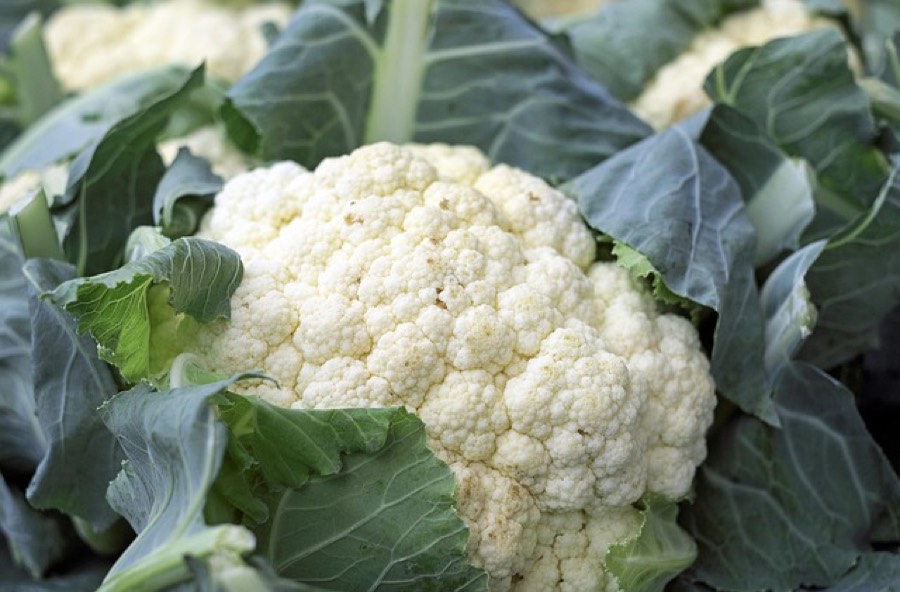
Cauliflower is anti-inflammatory, and it carries the sulphur compounds known as glucosinolates, like the rest of the cabbage family.
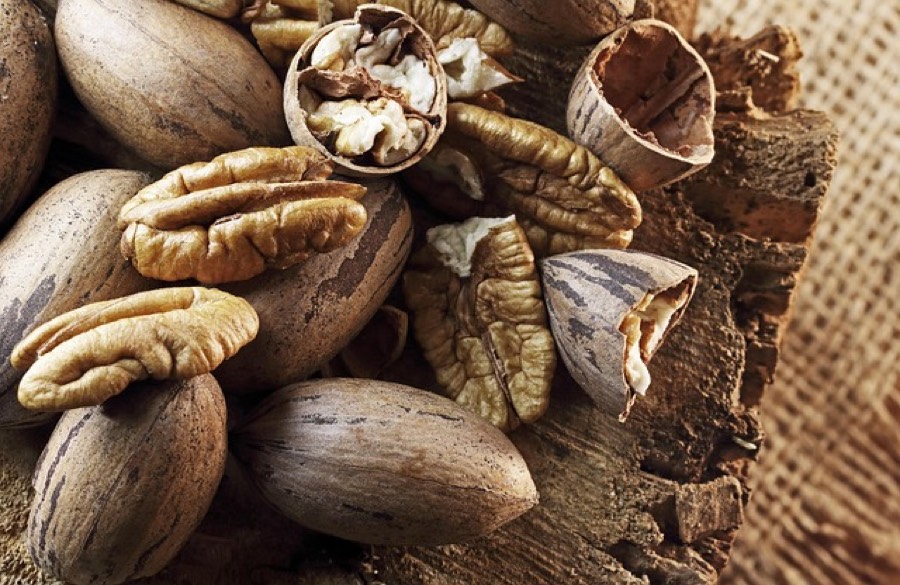
Pecans are anti-inflammatory. Most of the fat in a pecan is the monounsaturated kind that makes up olive oil, and it comes with gamma-tocopherol, a form of vitamin E that protects fat from being damaged by oxygen.
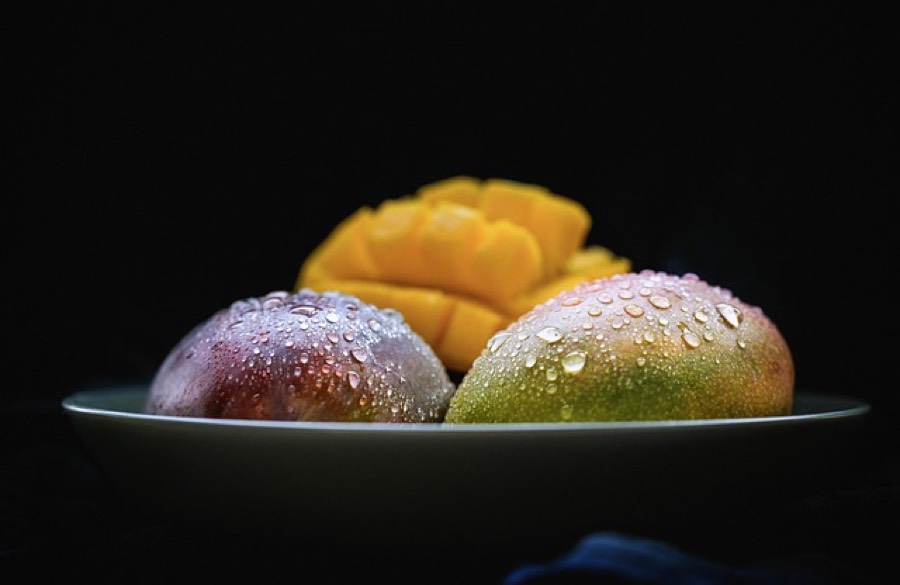
Mango is anti-inflammatory, and the reason is a family of plant compounds called gallotannins.
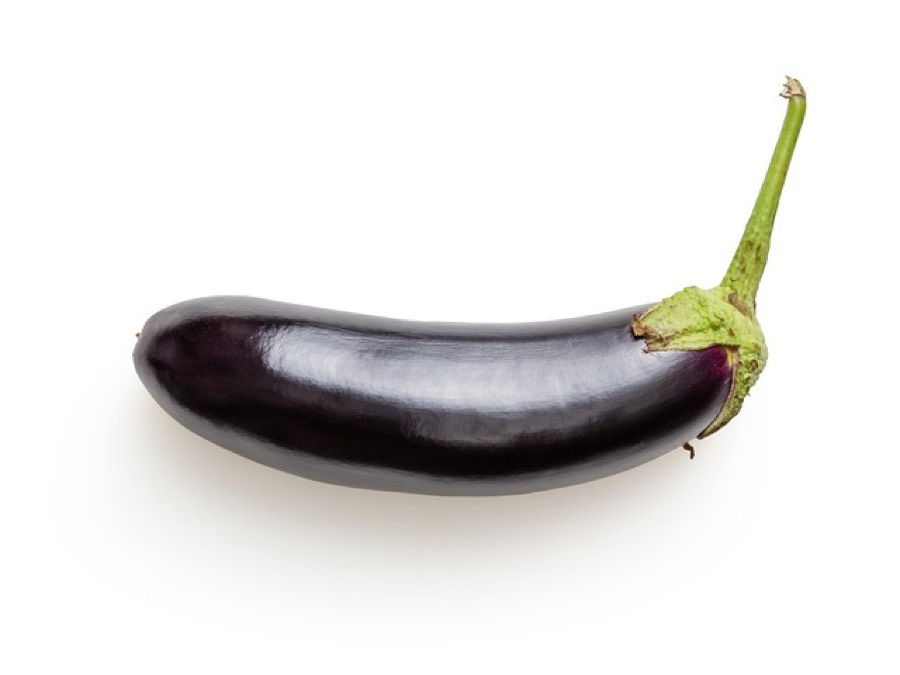
Eggplant is not inflammatory, thanks in part to nasunin, the pigment that makes the skin purple.