Pecans
Why pecans are anti-inflammatory
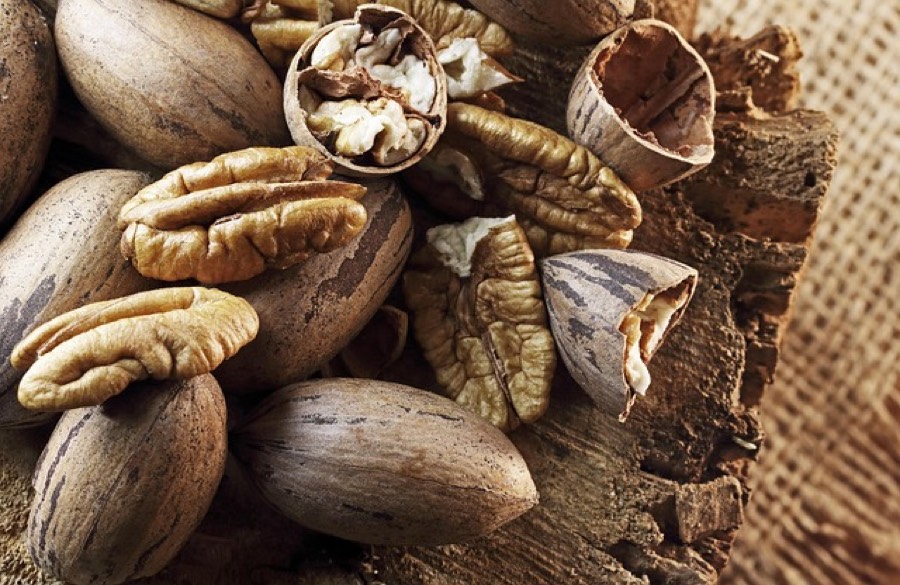
Pecans are anti-inflammatory. Most of the fat in a pecan is the monounsaturated kind that makes up olive oil, and it comes with gamma-tocopherol, a form of vitamin E that protects fat from being damaged by oxygen. Pecans are also one of the richest nuts in flavan-3-ols, the plant compounds found in green tea and cocoa.
Eating pecans regularly changes what a fatty meal does to you. In one trial, adults at higher risk of heart disease ate pecans daily for eight weeks; by the end they had more of that vitamin E in their blood, and a high-fat breakfast did less damage to their blood fats than before. That matters because damaged LDL cholesterol is one of the things the immune system reacts to inside artery walls. Inflammation itself is a harder claim: 30 g of pecans a day added to a healthy diet for twelve weeks left the inflammatory markers of people with stable heart disease where they were.
Pecans score 2 out of 10 on the inflammation scale, a step behind walnuts, which carry a plant form of omega-3 that a pecan does not have. The fat that makes a pecan worth eating is also the fat that spoils, and a bitter, paint-like taste means the nut is past it. Buy small bags or nuts still in the shell, and keep them in the fridge or the freezer rather than the cupboard.
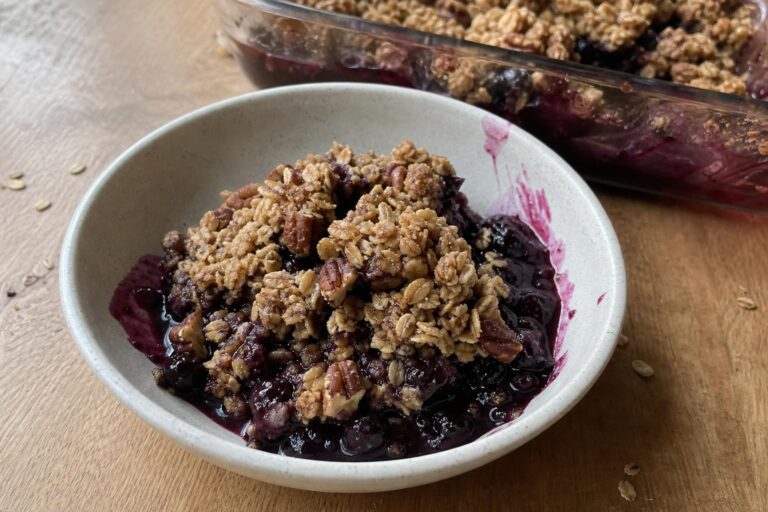
The usual problem with pecans is not the nut. It is the pie, the praline and the maple glaze, where a handful comes with several spoonfuls of sugar. Plain halves, raw or lightly toasted, do the same job on a salad or in porridge.

Pecans on the AIP diet
Pecans are out during the elimination phase of the Autoimmune Protocol, along with every other nut and seed. Pecan butter and pecan flour go with them, and so does the pie. Nuts return early in the reintroduction, and plain halves make a clean test because you eat them on their own. Until then, coconut flakes cover the same job in porridge and salads.
Benefits
- Most of the fat is the same monounsaturated kind that makes up olive oil
- One of the richest nuts in flavan-3-ols, the compounds also found in green tea
- Daily pecans for eight weeks blunted the damage a fatty meal does to blood fats
- A handful covers most of a day's manganese and much of its copper
Watch out for
- The delicate fat spoils fast, and a bitter, paint-like taste means the nut is off
- Most pecans reach you in pie, pralines or a candied glaze, with sugar attached
- Tree nut allergy is common and can be severe
- The fattest common nut, at about 200 calories a handful
Frequently asked
Are pecans inflammatory?
No, pecans are anti-inflammatory. Most of their fat is the monounsaturated kind found in olive oil, and they are one of the richest nuts in flavan-3-ols, the plant compounds also found in green tea and cocoa. What changes the answer is the form: pecan pie, pralines and candied pecans are a dessert, not a handful of nuts.
Are pecans as good as walnuts?
Walnuts have the edge, because they carry a plant form of omega-3 and pecans do not. Pecans lead on flavan-3-ols and on gamma-tocopherol, a form of vitamin E that protects fat from being damaged by oxygen. Both sit near the bottom of the inflammation scale, so swapping one for the other costs you very little.
How should you store pecans?
In the fridge or the freezer, not the cupboard. The unsaturated fat that makes a pecan worth eating is also the fat that turns rancid, and warmth and light speed that up. A pecan that tastes bitter and sharp, closer to old paint than to a nut, has gone off, and toasting will not fix it.
Are pecans allowed on the AIP diet?
No, not during the elimination phase, which removes every nut and seed. Pecan butter and pecan flour go with them. Nuts come back early in the reintroduction stage, and plain pecan halves are a sensible thing to trial because you eat them on their own rather than baked into something.