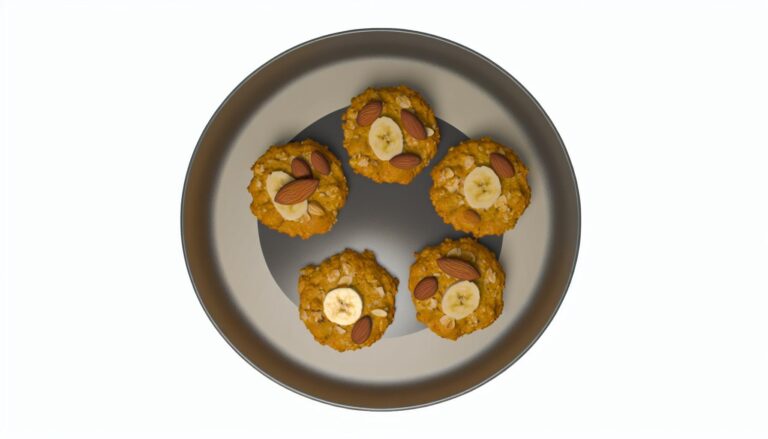
Almond Butter
Why almond butter is anti-inflammatory
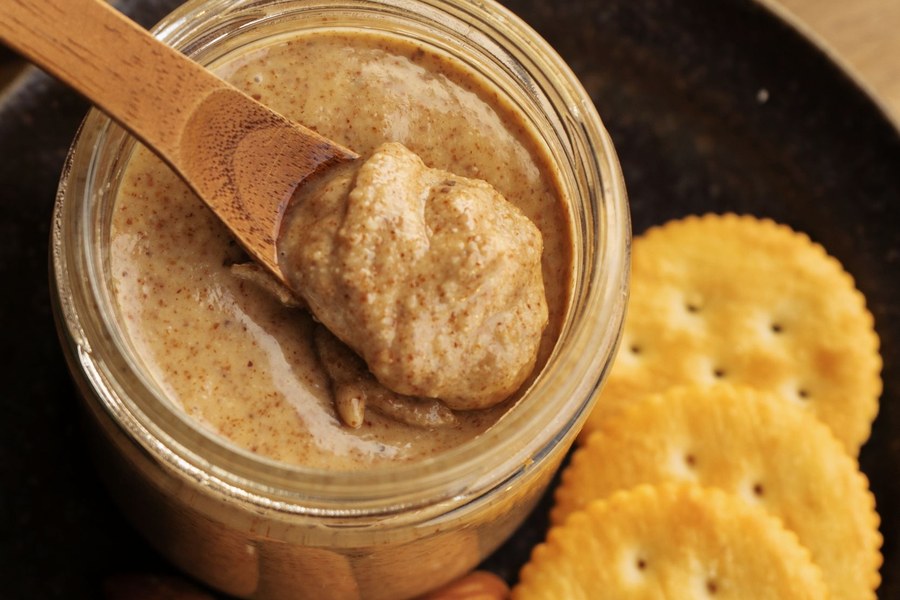
Almond butter is anti-inflammatory when the jar holds nothing but almonds. It is whole almonds ground until their own oil turns them into a paste, so it carries the same unsaturated fat, vitamin E and magnesium the nuts do.
Trials that fed people almonds found small falls in two blood markers of inflammation, C-reactive protein and interleukin-6. The effect only showed up at doses below 60 g a day. Almost all of those trials used whole almonds, not butter.
Grinding changes how much of the nut reaches you. Inside a whole almond, much of the fat is shut inside rigid plant cells, and chewing breaks open only some of them, so the rest travels on to the colon and feeds the bacteria there. A grinder breaks those cells first. When people ate the same almonds in four forms, whole ones released about 4.4 calories per gram against 6.5 for the butter, and only the whole and chopped almonds shifted the gut bacteria.
Almond butter still scores 2 out of 10 on our inflammation scale, the same as whole almonds. What moves a jar is what else goes into it. Plain almond butter lists almonds, sometimes salt, and nothing more; sugar, syrups and palm oil are the additions worth avoiding. Butter that looks darker and flecked with brown was made with the skins on, where most of the plant compounds sit.
Oil separating on top is normal in a butter with no added stabiliser, so stir it back in and keep the jar in the fridge once open.

Almond Butter on the AIP diet
Almond butter is out during the elimination phase of the Autoimmune Protocol, which removes every nut and seed. Coconut butter and tigernut butter take its place on toast and in baking. Nuts are usually among the first foods tried again once symptoms settle, and plain whole almonds make a cleaner test than a jar of butter, which can carry added oils and sugar.
Benefits
- It is ground whole almonds, so it keeps their unsaturated fat, vitamin E and magnesium
- Trials of almonds found small falls in two blood markers of inflammation
- A plain jar has one ingredient, which leaves little room for anything else
- Spreads on food that would otherwise carry butter or a sugary spread
Watch out for
- Grinding breaks the cells that hold the fat, so you absorb more of it
- Many jars add sugar, syrup or palm oil, and that is what moves the score
- Almonds are one of the most common tree nut allergies, and a severe one
- Two tablespoons carry close to 200 calories and go down in seconds
Frequently asked
Is almond butter inflammatory?
No, plain almond butter is anti-inflammatory. It is ground almonds, so it carries their unsaturated fat, vitamin E and magnesium. What changes the answer is the rest of the jar: added sugar, syrups and palm oil are common, and they are what push a nut butter up the inflammation scale.
Is almond butter as good as whole almonds?
Almost, with one difference. Grinding breaks open the plant cells that hold the fat, so more of it, and more of the calories, get absorbed instead of travelling on to feed your gut bacteria. Whole almonds also take longer to eat. Both score 2 out of 10 on our inflammation scale.
What should you look for on an almond butter label?
Almonds, and salt if you like it. Sugar, syrups and palm oil are the ones to leave on the shelf. Oil sitting on top is normal in a butter with no added stabiliser, so stir it in rather than pour it off. Darker butter flecked with brown was made with the skins on, where most of the plant compounds are.
Is almond butter allowed on the AIP diet?
No, not during the elimination phase, which takes out every nut and seed, almond butter included. Coconut butter and tigernut butter fill the same spot. Nuts are usually among the first foods reintroduced once symptoms settle, and plain whole almonds make a cleaner test than a jar.
Anti-inflammatory recipes with Almond Butter

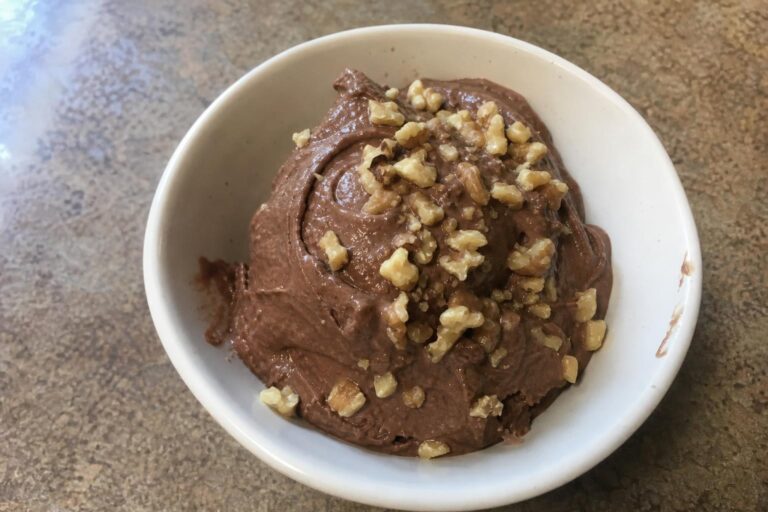
Banana Cocoa Nice Cream Recipe

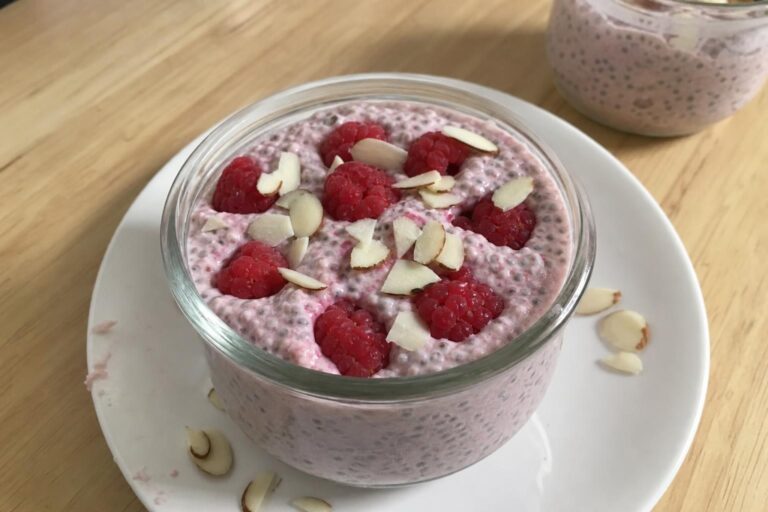
Raspberry Almond Chia Pudding Recipe

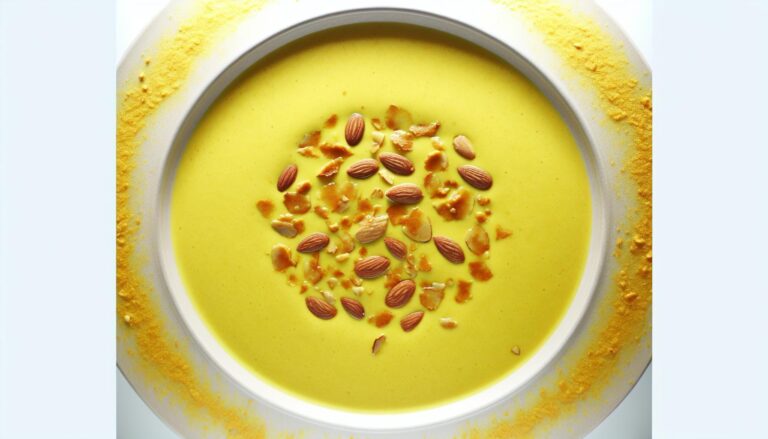
Golden Almond Turmeric Smoothie Recipe

Almond and Blueberry Energy Muffins Recipe

Anti-Inflammatory Berry Bliss Bars Recipe