
Kombucha
Kombucha is anti-inflammatory partly because of the polyphenols it keeps from the tea leaf, plant compounds researchers have studied for their possible role in reducing inflammation.
Some foods calm inflammation. Others fuel it. And most of what you eat every day falls somewhere in between.
We've reviewed the scientific evidence behind each food and assigned it a score from 1 to 10 on the inflammation scale. Here you'll discover why a food may be inflammatory or anti-inflammatory, what to eat instead when it scores poorly, and recipes featuring foods with potential health benefits. Start with the food you eat most often.
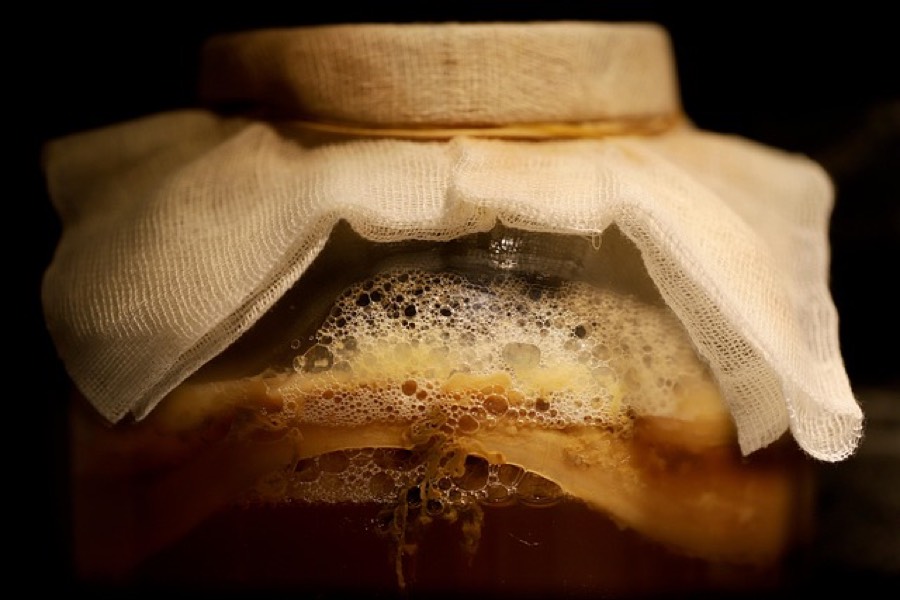
Kombucha is anti-inflammatory partly because of the polyphenols it keeps from the tea leaf, plant compounds researchers have studied for their possible role in reducing inflammation.
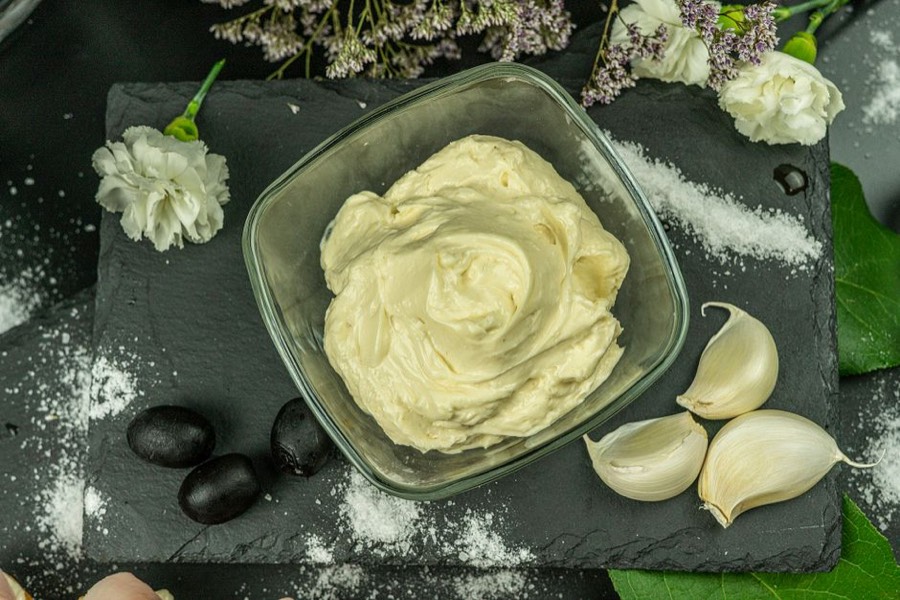
Mayo is inflammatory. It is refined oil whisked into egg yolk with vinegar until it thickens, and the oil makes up about three quarters of the jar.
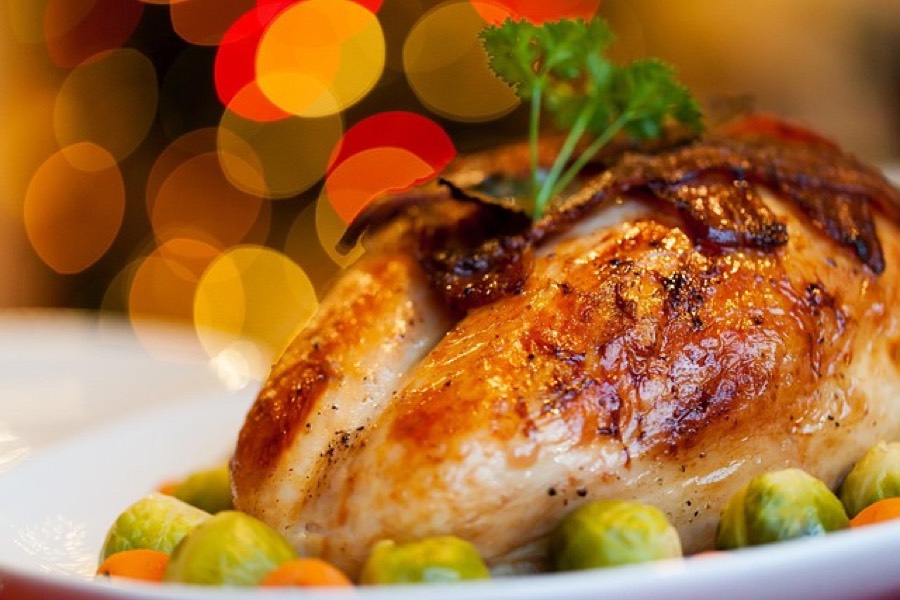
Turkey is anti-inflammatory when you eat it as plain roasted meat. A skinless breast is almost all protein and carries very little saturated fat.

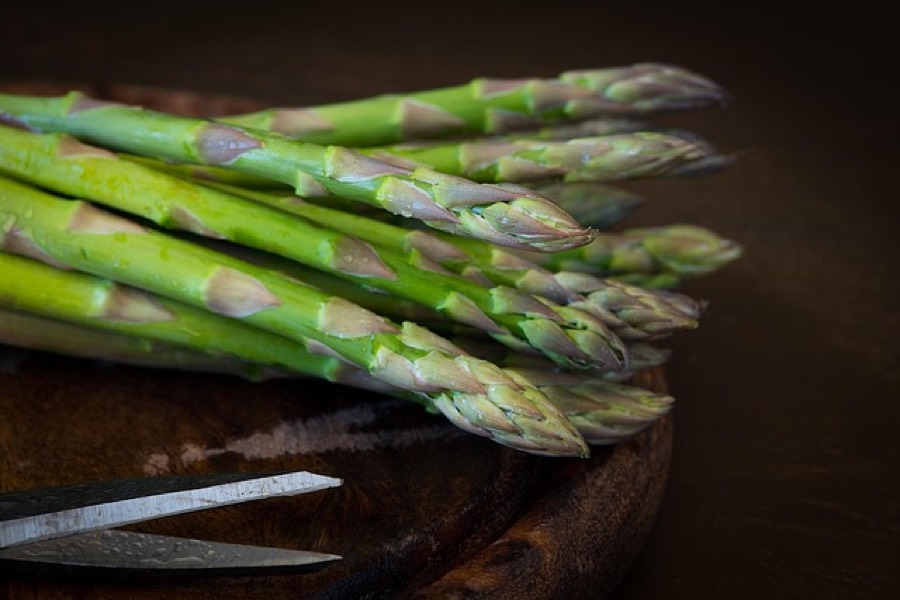
Asparagus is anti-inflammatory, and most of that comes down to a fibre it carries called inulin.
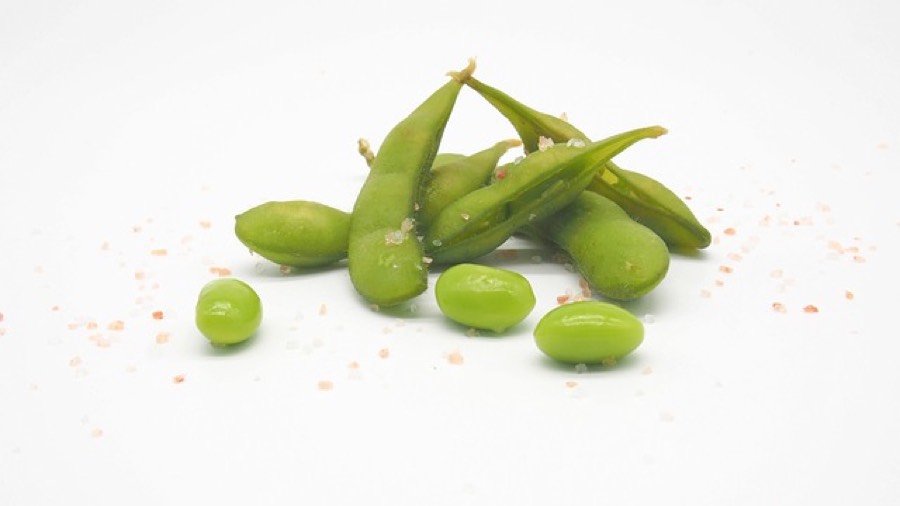
Edamame is anti-inflammatory. It is a soybean picked while still green and soft, then boiled in its pod.
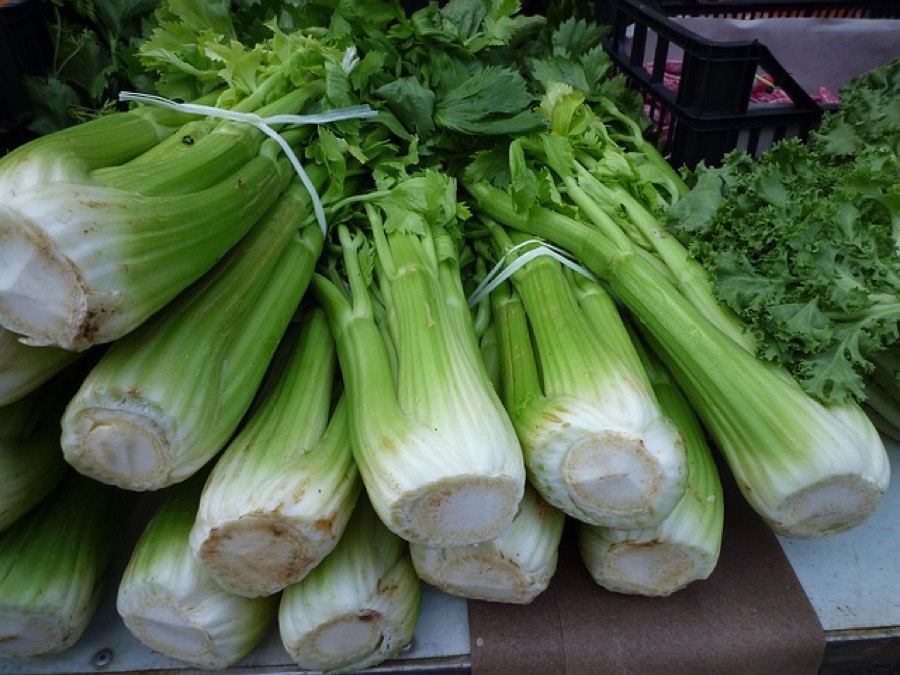
Celery is anti-inflammatory. Apigenin, what the research actually shows, and what to look for when you buy it.
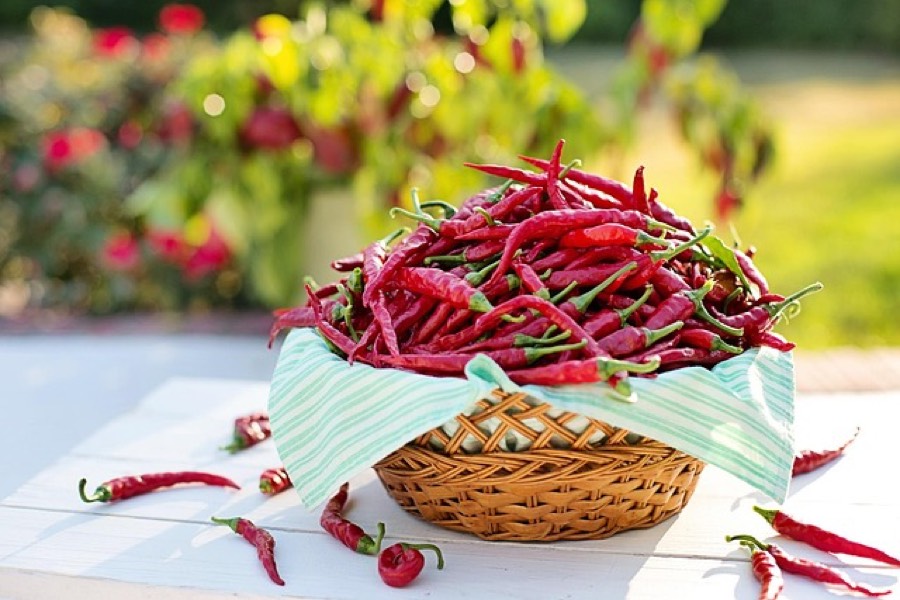
Cayenne pepper is anti-inflammatory, and the heat and the effect come from the same compound, capsaicin.