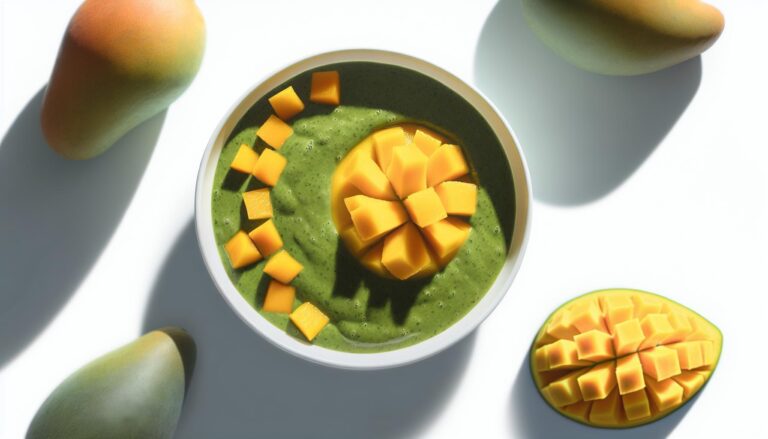
Two whole mangoes and a cut mango half showing the orange flesh, in a white bowl

Mango

Anti-InflammatoryFruits
Low
Inflammation Score
2/10
Anti-inflammatoryInflammatory
Serving size
1 cup (165 g) sliced
Key nutrients
GallotanninsBeta-caroteneVitamin CFiber
How often
Daily, fresh rather than dried or juiced

Why mango is anti-inflammatory

Mango is anti-inflammatory, and the reason is a family of plant compounds called gallotannins. You do not absorb them whole: your gut bacteria break them into smaller pieces first, and it is those pieces that reach your blood.

What those pieces do once they arrive is not settled. Adults with long-term constipation ate a large bowl of mango a day for four weeks. They finished with lower inflammation signals in their blood, and with more improvement than the same amount of fibre gave on its own. But in adults who were overweight, two cups a day over the same period left those signals where they started.

The deep orange colour of the flesh is beta-carotene, which your body turns into vitamin A. Vitamin A maintains the linings of your gut and airways, the surfaces that keep bacteria where they belong. That is a supporting job, not a direct effect on inflammation.

Sugar is the part worth watching. A whole mango holds 30 to 45 grams of it, more than most fruit, but it arrives with fibre that slows how fast it reaches your blood. Juice leaves that fibre behind, and drying turns the sugar into something you can eat by the handful. Read the ingredients on dried mango: if the list is just mango, nothing was added.

Choose mangoes firm and leave them on the counter until they give a little under your thumb. Cold stops a mango ripening, so keep the fridge for fruit you have already cut.

Mango on the AIP diet

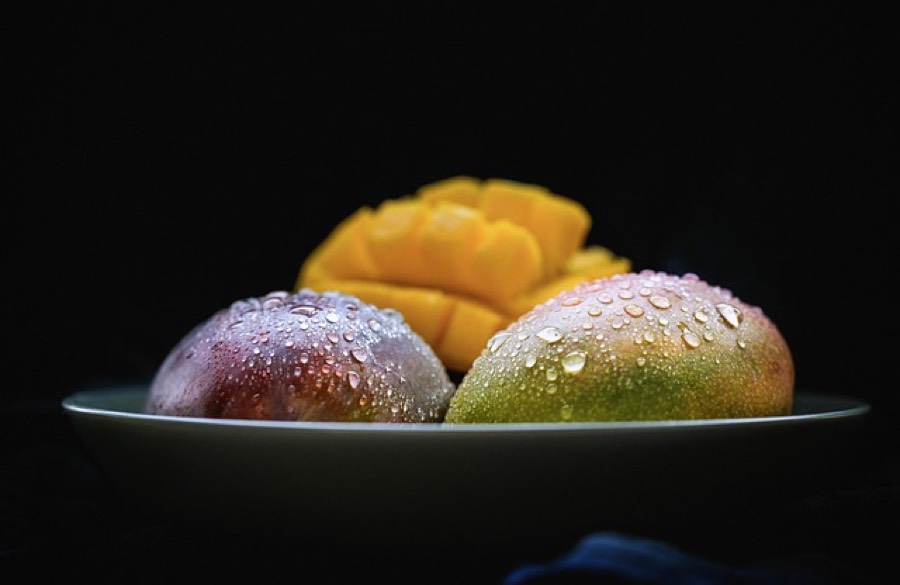
Mango is allowed on the Autoimmune Protocol from the first day, elimination included. It is a fruit, so it clears the grains, legumes, nuts, seeds, nightshades and dairy the protocol takes out. The limit is sugar: AIP asks you to keep fruit sugar modest across the day, and one mango can use up most of that on its own.

Benefits

  • Gallotannins that your gut bacteria break into smaller compounds your blood can absorb
  • A large bowl a day for four weeks lowered inflammation signals in people with constipation
  • The deep orange colour is beta-carotene, which your body turns into vitamin A
  • One cup covers roughly two thirds of a day's vitamin C

Watch out for

  • One of the sweeter fruits: a whole mango holds 30 to 45 grams of sugar
  • Juice leaves the fibre behind, and dried slices are usually sweetened further
  • The skin and the sap can irritate the mouth or hands in people sensitive to them
  • Four weeks of daily mango did not move inflammation markers in overweight adults

Get the inflammation score of any meal

Just snap a photo or describe your food to get its inflammation score and uncover hidden patterns that may be affecting your well-being.

Download on the App StoreGet it on Google Play
InflammaScan app

Frequently asked

Is mango inflammatory?

No, mango is anti-inflammatory. It carries gallotannins, plant compounds your gut bacteria break into smaller pieces that reach your blood, plus the beta-carotene behind the orange colour. The evidence in people is mixed: one trial lowered inflammation signals, another left them unchanged.

Is mango too high in sugar?

A whole mango holds 30 to 45 grams, more than most fruit, but it arrives with fibre that slows how fast it reaches your blood. That is the difference between the fruit and the juice. If you are watching sugar, eat half a mango alongside something with protein or fat in it.

Is dried mango as good as fresh?

Not usually. Drying takes the water out and concentrates the sugar into pieces you can eat by the handful, and most bags are sweetened on top of that. Read the ingredients: if the list is just mango, nothing was added.

Can you eat mango on the AIP diet?

Yes, in every phase including elimination. Mango is a fruit, so nothing in it is on the list the protocol removes. Keep an eye on the total fruit sugar across the day, because one mango can use up most of it.

The easiest way to follow an anti-inflammatory diet.

Identify inflammatory foods in seconds, log your symptoms and discover what’s inflaming you. Includes hundreds of recipes.

Download on the App StoreGet it on Google Play
InflammaScan app