Flaxseed
Flaxseed is anti-inflammatory largely because of its lignans, plant compounds that gut bacteria convert into a form the body absorbs.
Some foods calm inflammation. Others fuel it. And most of what you eat every day falls somewhere in between.
We've reviewed the scientific evidence behind each food and assigned it a score from 1 to 10 on the inflammation scale. Here you'll discover why a food may be inflammatory or anti-inflammatory, what to eat instead when it scores poorly, and recipes featuring foods with potential health benefits. Start with the food you eat most often.
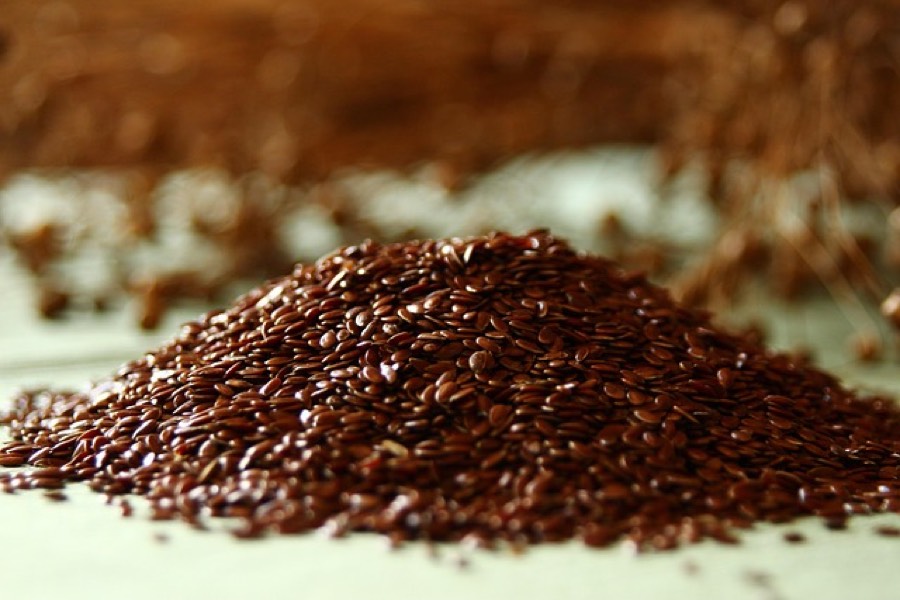
Flaxseed is anti-inflammatory largely because of its lignans, plant compounds that gut bacteria convert into a form the body absorbs.

Seaweed is anti-inflammatory largely because of fucoidan, a sugar-like compound in the slippery coating of brown seaweeds such as kelp and wakame.
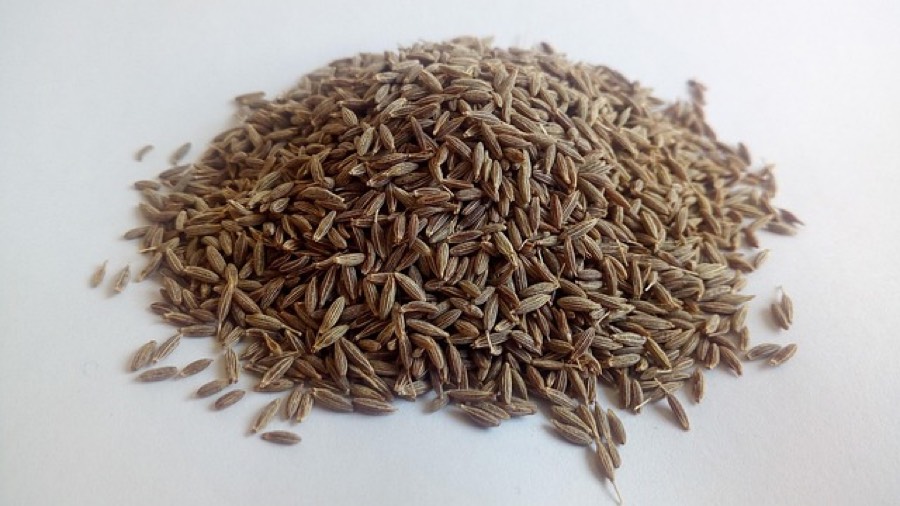
Cumin is anti-inflammatory thanks to cuminaldehyde, the compound that gives the spice its smell.
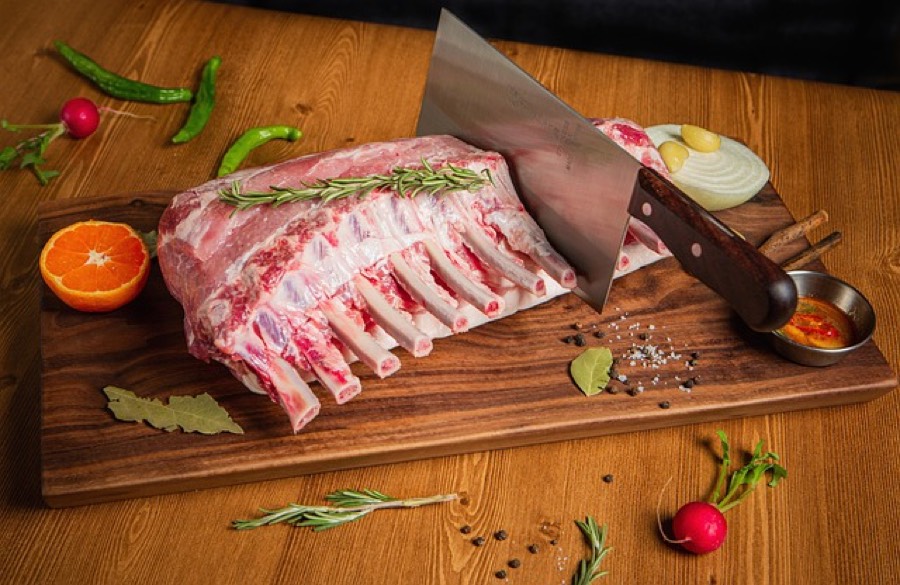
Lamb is inflammatory, and the reason is its saturated fat, which makes up close to half the fat in a lamb chop.
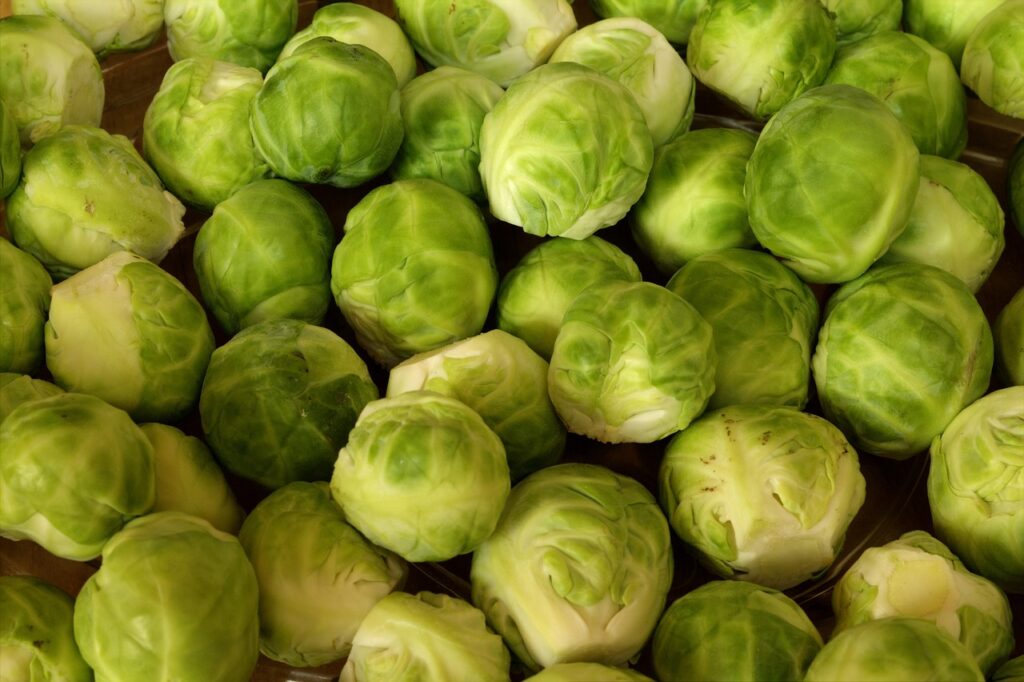
Brussels sprouts are anti-inflammatory largely because of sinigrin, a sulphur compound of the cabbage family that sprouts are especially rich in.
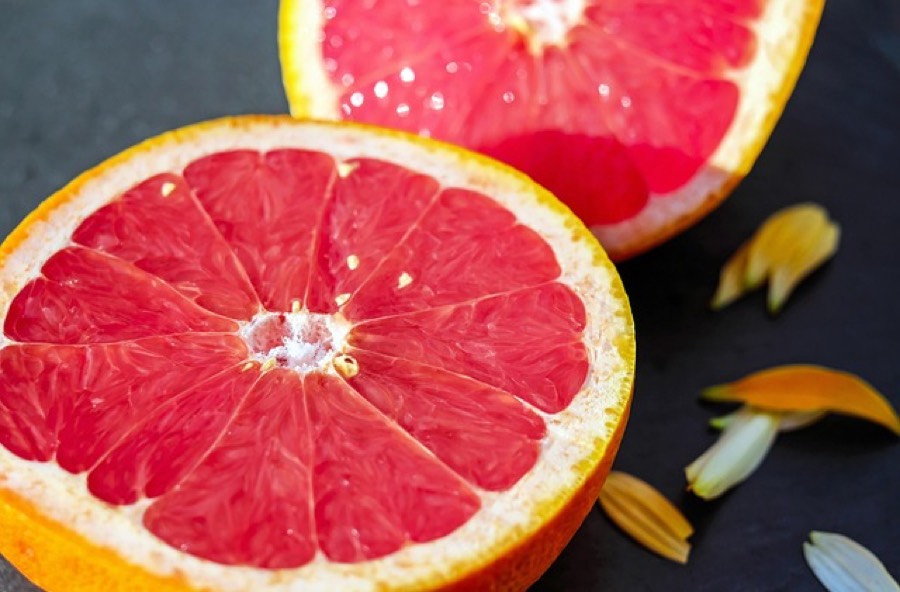
Grapefruit is anti-inflammatory thanks to naringin, a flavonoid concentrated in the pith and the tough walls around each segment.

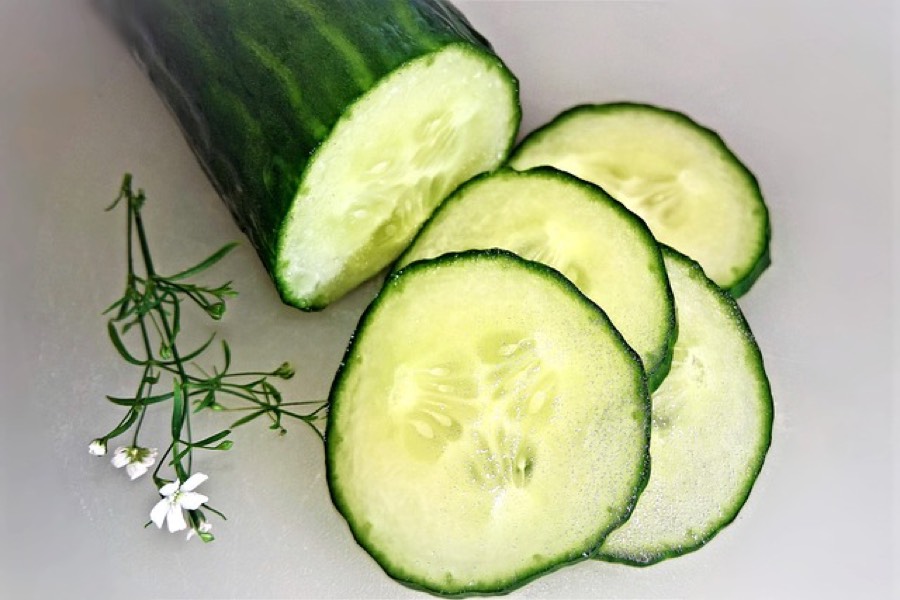
Cucumber is anti-inflammatory largely because of the cucurbitacins and the vitamin K in its skin.