Cauliflower
Why cauliflower is anti-inflammatory
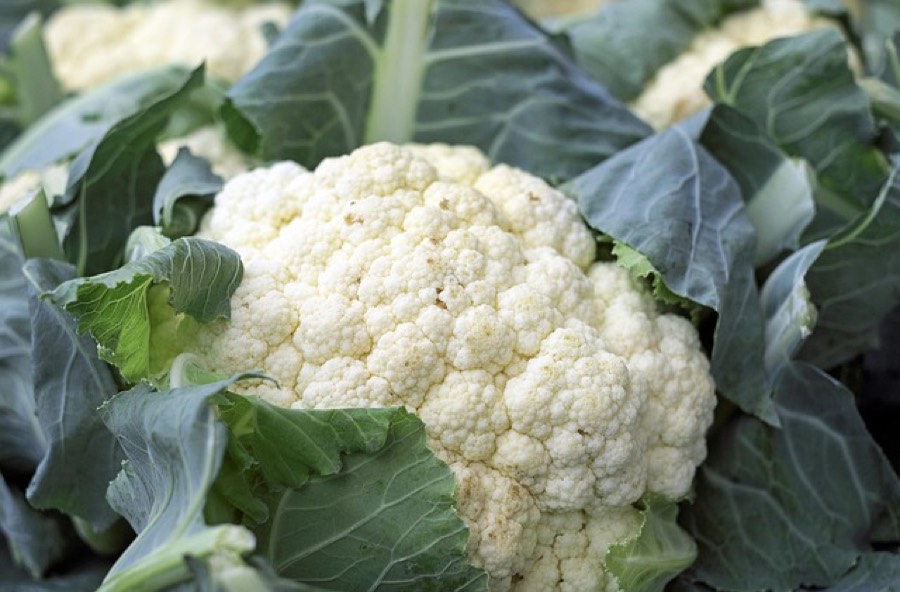
Cauliflower is anti-inflammatory, and it carries the sulphur compounds known as glucosinolates, like the rest of the cabbage family. In a whole raw head they do nothing. Breaking the florets, by chopping or chewing, turns those compounds into isothiocyanates, the form your body absorbs.
Their effect on inflammation is measurable but modest. Healthy young adults in one trial ate a large daily helping of cruciferous vegetables for two weeks. One of the inflammation markers in their blood came down, and the others did not move. Cauliflower earns its place as part of a week of meals, not as a fix on its own.
The head also holds vitamin C, an antioxidant, and a cup of raw florets covers over half a day’s worth. What it lacks is pigment: the white head has none of the coloured antioxidants of purple cabbage or kale. The orange and purple varieties do carry pigment, so take one when the price matches.
Choose a firm head with tight florets, and one with the leaves still attached keeps better in the fridge. Cauliflower rice, fresh or frozen, is usually nothing but the vegetable put through a grater. Pizza bases and crackers made with it often list flour or starch first, so read the ingredients.
Roast it or steam it. Boiling leaves the head with less of the glucosinolates and antioxidants than steaming does, because they dissolve into water that goes down the sink. Cauliflower cheese is the exception: most of the fat and salt in that dish comes from the sauce.

Cauliflower on the AIP diet
Cauliflower is allowed through every phase of the Autoimmune Protocol, elimination included. It is a plain vegetable, and none of the food groups the protocol takes out apply to it. It also earns its place: riced or mashed, it stands in for the rice and potato you have just given up, which is the hardest part of the first weeks. Frozen bags work, if cauliflower is the only ingredient.
Benefits
- Chopping or chewing it releases the sulphur compounds of the cabbage family
- A cup of raw florets covers over half a day of vitamin C
- Riced or mashed, it stands in for rice and potato without the starch
- Cheap all year, and frozen bags are usually cauliflower and nothing else
Watch out for
- Boiling sends the glucosinolates and antioxidants into water that gets poured away
- The white head has none of the coloured antioxidants of its purple and green relatives
- Cauliflower cheese turns a light vegetable into a dish heavy on fat and salt
- Pizza bases made with it often list flour or starch before the cauliflower
Frequently asked
Is cauliflower inflammatory?
No, cauliflower is anti-inflammatory. Breaking the florets, whether you chop them or chew them, releases a group of sulphur compounds that the cabbage family is known for, and the head is also a good source of vitamin C.
Is cauliflower rice as healthy as the whole head?
Yes, when that is all it is. Fresh or frozen, most cauliflower rice is the vegetable run through a grater. What changes is the rest of the dish, not the cauliflower in it.
Does cooking cauliflower ruin it?
Boiling costs you the most, because the sulphur compounds and antioxidants dissolve into the water and go down the sink. Steaming keeps far more of them, and roasting keeps the head out of water altogether.
Can you eat cauliflower on the AIP diet?
Yes, from the first day of the elimination phase. None of the groups the protocol removes apply to a plain vegetable, and riced or mashed it fills the gap left by rice and potato.
Anti-inflammatory recipes with Cauliflower

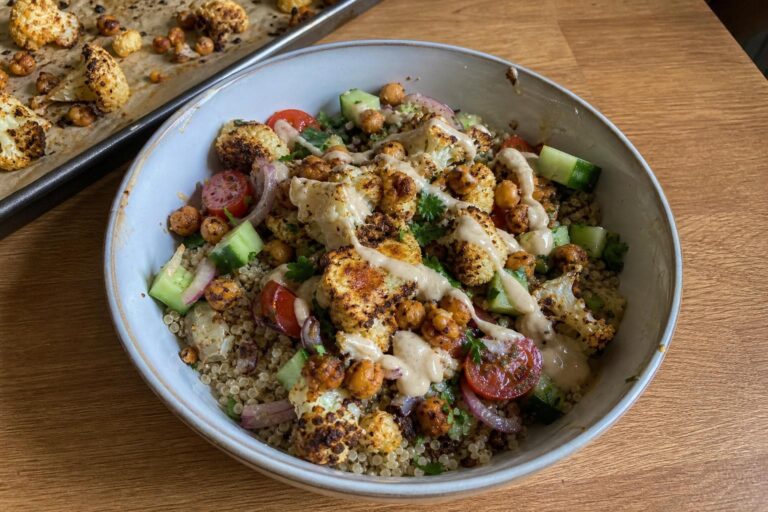
Roasted Cauliflower and Chickpea Shawarma Bowls Recipe

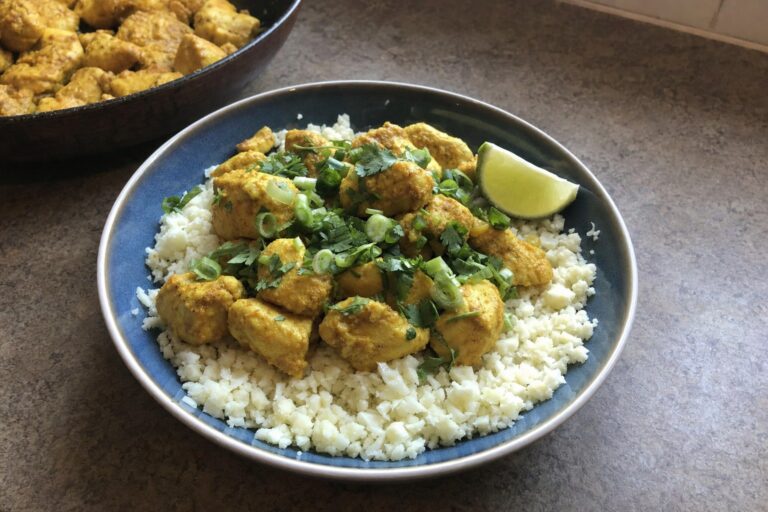
Turmeric Chicken and Cauliflower Rice Bowl Recipe

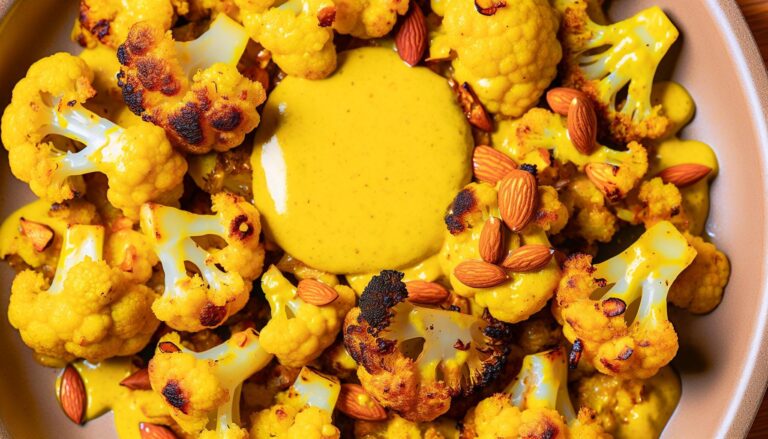
Roasted Cauliflower with Almond Turmeric Sauce Recipe

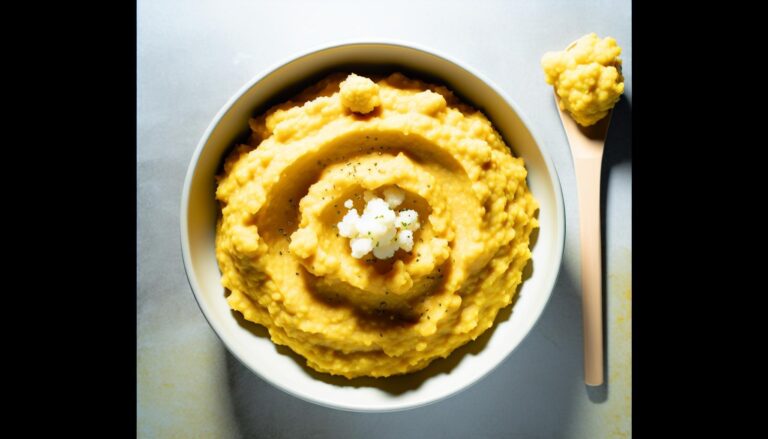
Golden Cauliflower Mash Recipe

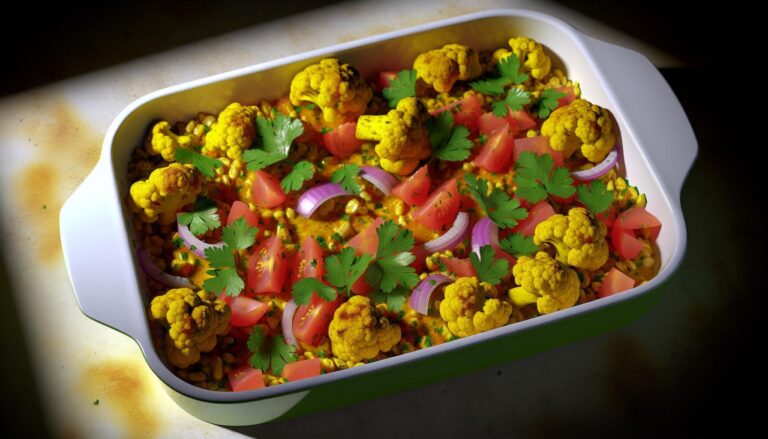
Turmeric Cauliflower Tabbouleh Recipe