
Oranges
Oranges are anti-inflammatory, and much of the reason comes down to hesperidin, the main flavonoid in oranges.
Some foods calm inflammation. Others fuel it. And most of what you eat every day falls somewhere in between.
We've reviewed the scientific evidence behind each food and assigned it a score from 1 to 10 on the inflammation scale. Here you'll discover why a food may be inflammatory or anti-inflammatory, what to eat instead when it scores poorly, and recipes featuring foods with potential health benefits. Start with the food you eat most often.
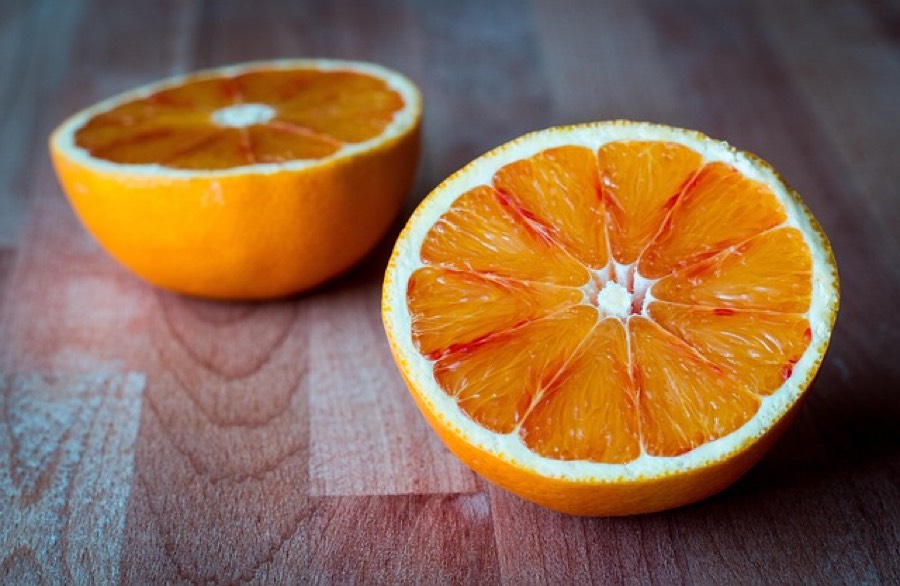
Oranges are anti-inflammatory, and much of the reason comes down to hesperidin, the main flavonoid in oranges.
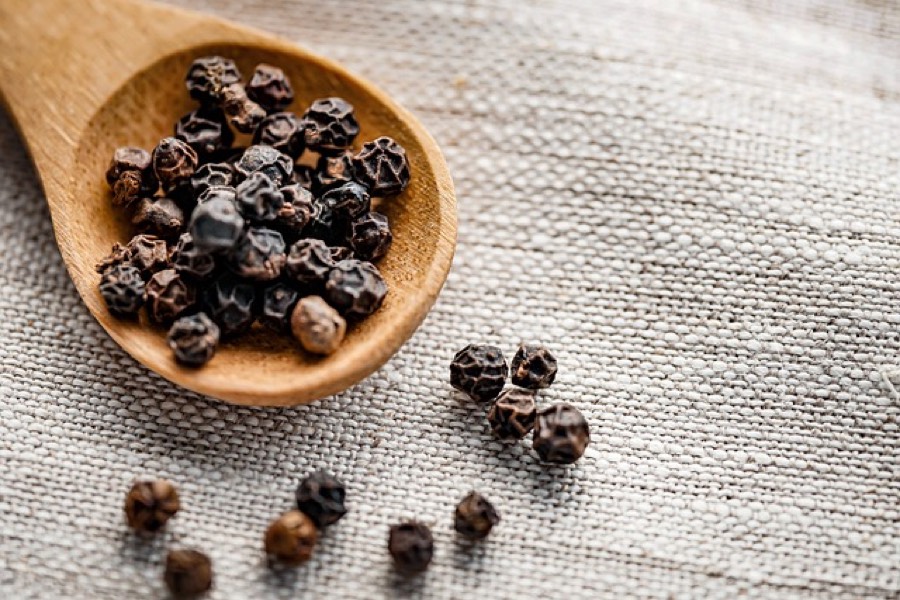
Is black pepper anti-inflammatory? Where it sits on the inflammation scale, and how piperine works.
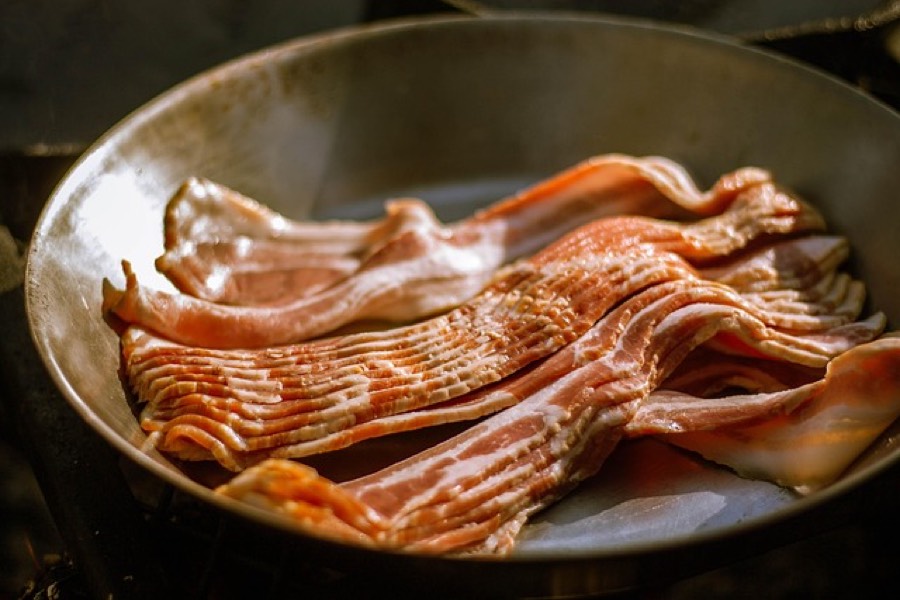
Bacon is inflammatory. It is pork belly packed in salt and sodium nitrite for days, often smoked, then fried until the edges crisp.
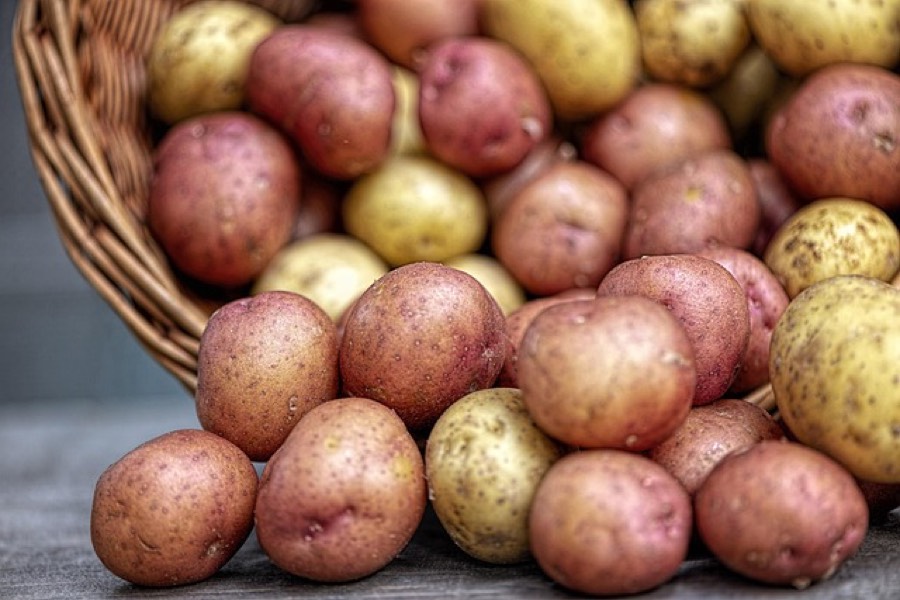
Potato is not an anti-inflammatory food, and on the inflammation scale it sits in the middle, at 5 out of 10.
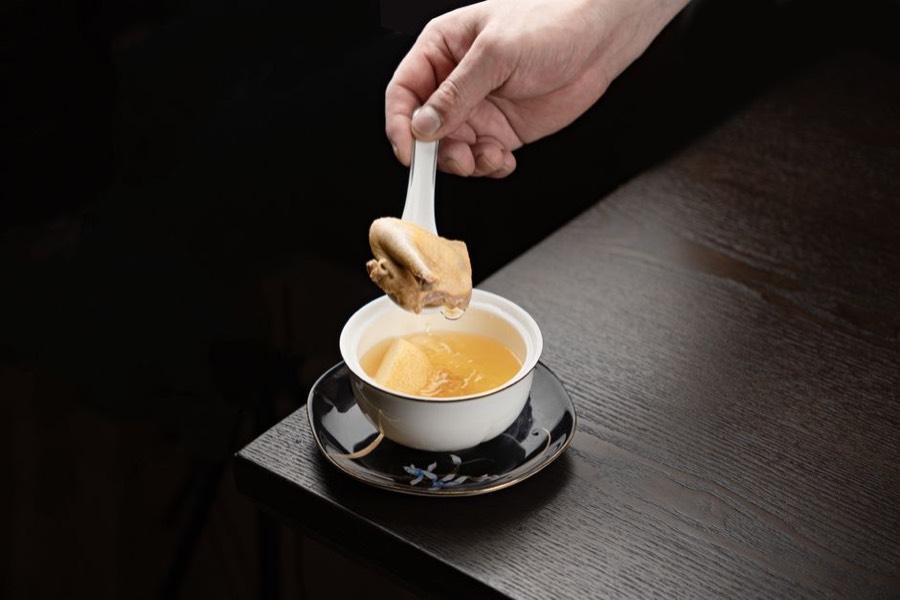
Bone broth is anti-inflammatory, and it is made by simmering animal bones and joints in water for several hours.
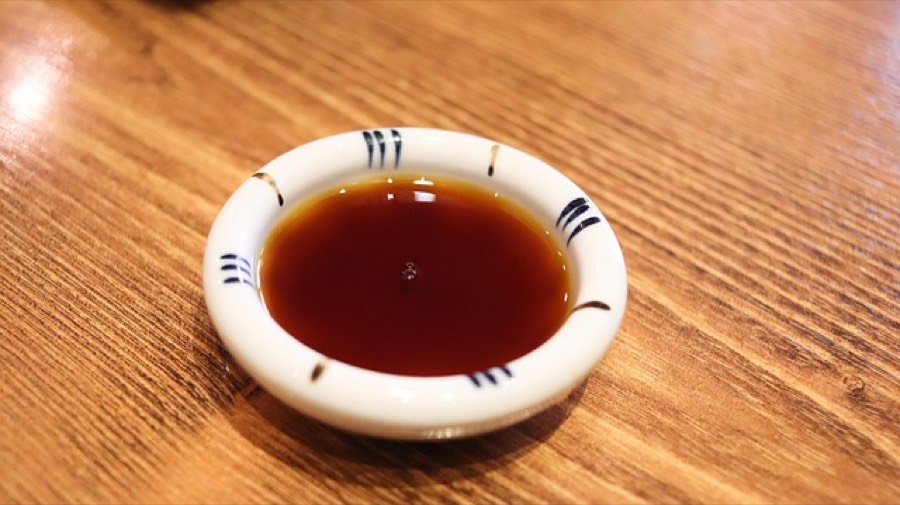
Soy sauce is mildly inflammatory. The reason is how much salt it carries: one tablespoon contains about 900 mg of sodium, more than a third of the amount recommended for a whole day.
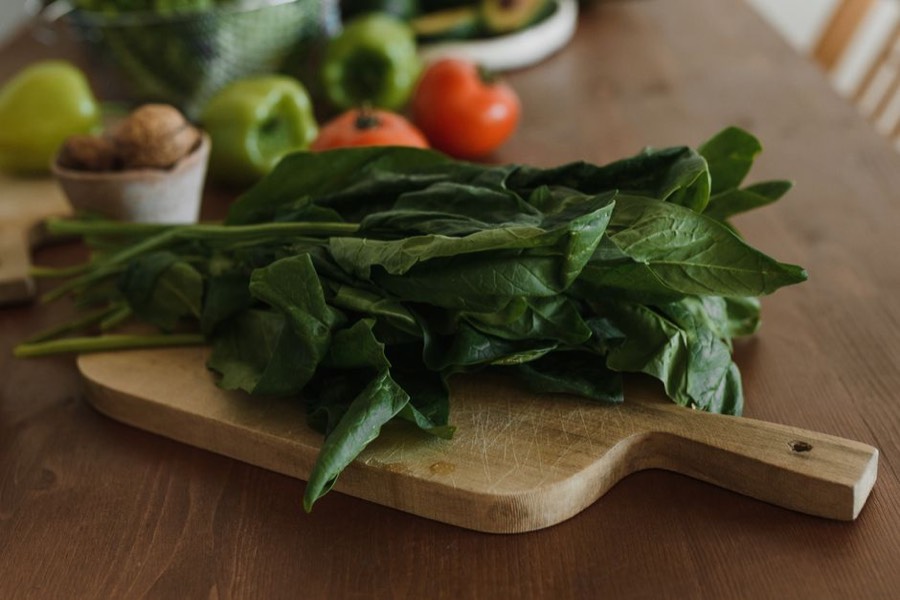
Spinach is anti-inflammatory, and two nutrients explain most of it: magnesium and vitamin K.