Black Pepper
Why black pepper is anti-inflammatory
Black pepper is anti-inflammatory, and the reason is piperine, the compound that gives the spice its heat. Piperine is only a small part of a peppercorn.
Most of what is known about piperine comes from cells and animals, where it reduces the signals that drive inflammation. Trials in people almost always test it alongside turmeric, so its own effect is hard to separate. In one, turmeric taken with a little piperine lowered signs of cell damage more than turmeric alone. The main inflammation marker in the blood did not move in either group.
That pairing is the clearest thing pepper does. Curcumin, the active compound in turmeric, is broken down by the liver and gut almost as fast as it is absorbed. Piperine slows that breakdown. In healthy volunteers, curcumin taken on its own was barely detectable in the blood. A small dose of piperine raised it to an easily measured level.
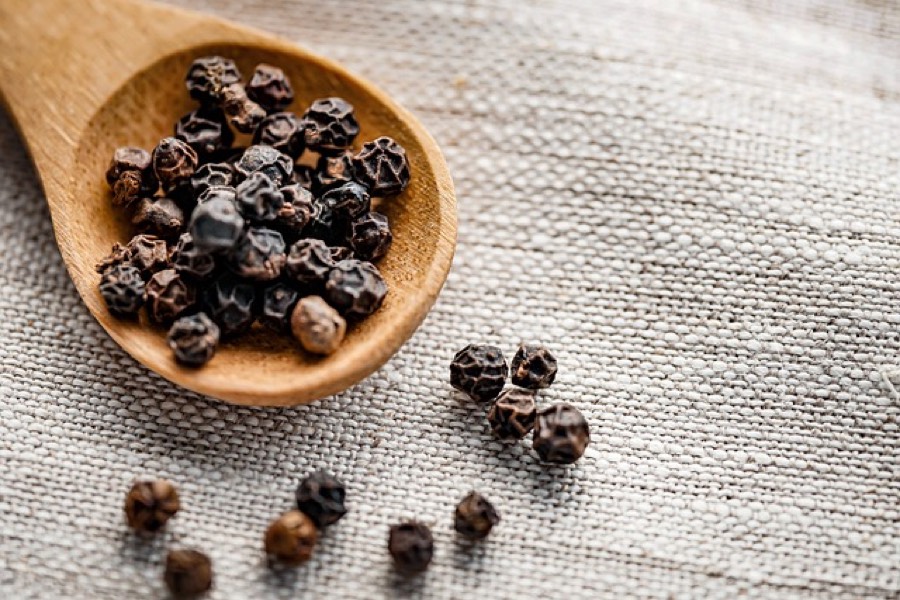
Buy whole peppercorns when you can. The oils that carry pepper’s smell escape once a corn is cracked, so pre-ground pepper tastes flat within months. The piperine stays, because it does not evaporate, so old pepper is still hot but no longer fragrant.
Grind pepper over food at the table, and pair it with turmeric and a little fat. The amounts you cook with are safe for almost everyone. Piperine capsules are another matter, because the same effect that raises curcumin levels also slows how your body clears some medicines. Ask your doctor before taking them.

Black Pepper on the AIP diet
Black pepper is out during the elimination phase of the Autoimmune Protocol. AIP counts it with the seed spices, alongside cumin, coriander and mustard, because you grind the whole dried berry with the seed inside rather than eating the pulp around it. It is not a nightshade, despite sharing a name with chilli and bell pepper. Most people bring pepper back early in reintroduction, and ginger or garlic covers the gap until then.
Benefits
- Piperine, the compound behind the heat, is studied for its effect on inflammation
- Makes far more of turmeric's curcumin reach your bloodstream
- Adds strong flavour with no salt, sugar or fat
- Whole peppercorns keep their heat for years in a closed jar
Watch out for
- Human evidence on pepper itself is thin, and most trials test piperine with turmeric
- Piperine slows how the body clears some medicines, so ask your doctor about capsules
- Not allowed in the elimination phase of AIP, along with the other seed spices
- Large amounts can irritate the stomach and make reflux worse
Frequently asked
Is black pepper inflammatory?
No, black pepper is anti-inflammatory. Its heat comes from piperine, a compound that reduces the signals driving inflammation in cells and in animals. In people it has mostly been tested alongside turmeric rather than on its own.
Why do turmeric recipes ask for black pepper?
Curcumin, the active compound in turmeric, is broken down by the liver and gut almost as fast as it is absorbed. Piperine slows that breakdown, so more curcumin stays in the blood. In healthy volunteers, curcumin on its own was barely detectable, and a small dose of piperine raised it to an easily measured level.
Is black pepper allowed on the AIP diet?
Not during the elimination phase. AIP groups it with the seed spices such as cumin and coriander, because a peppercorn is ground whole with its seed inside. It is not a nightshade, and most people reintroduce it early.
Is freshly ground pepper better than pre-ground?
For flavour, yes. The oils that carry the smell escape once a corn is cracked, so pre-ground pepper goes flat within months. Piperine does not evaporate, so the heat outlasts the aroma.
Anti-inflammatory recipes with Black Pepper

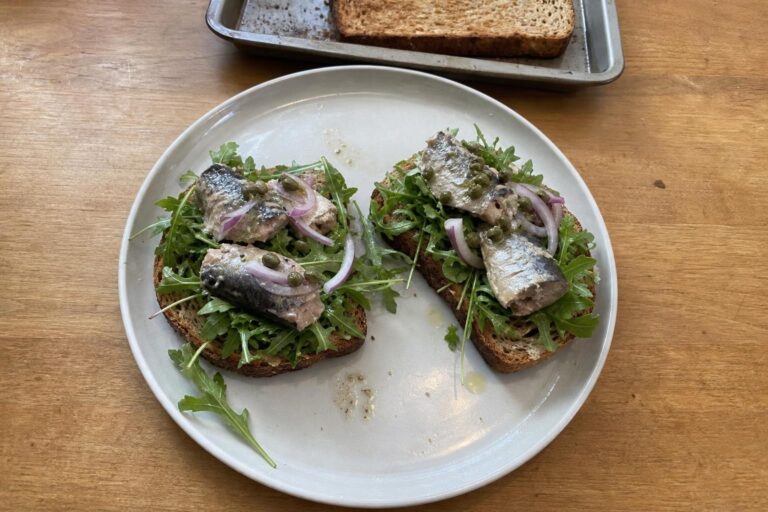
Sardine and Arugula Whole-Grain Toasts Recipe

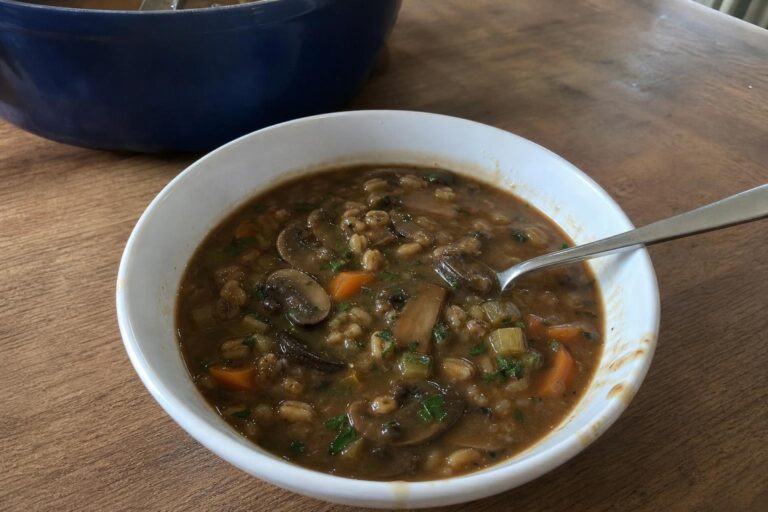
Mushroom Barley Soup Recipe

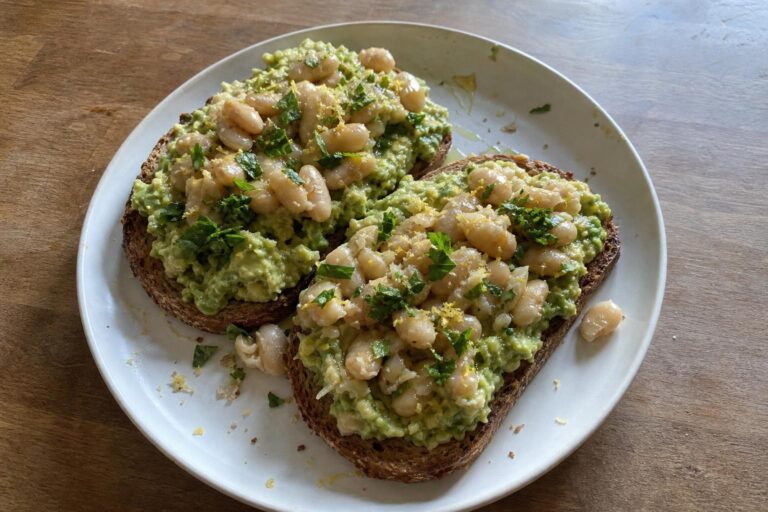
Avocado Toast with White Beans and Lemon Recipe

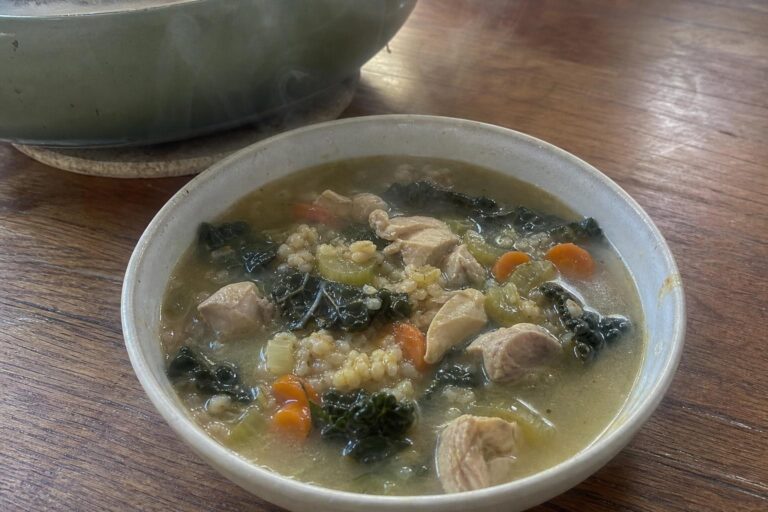
Chicken, Brown Rice, and Kale Soup Recipe

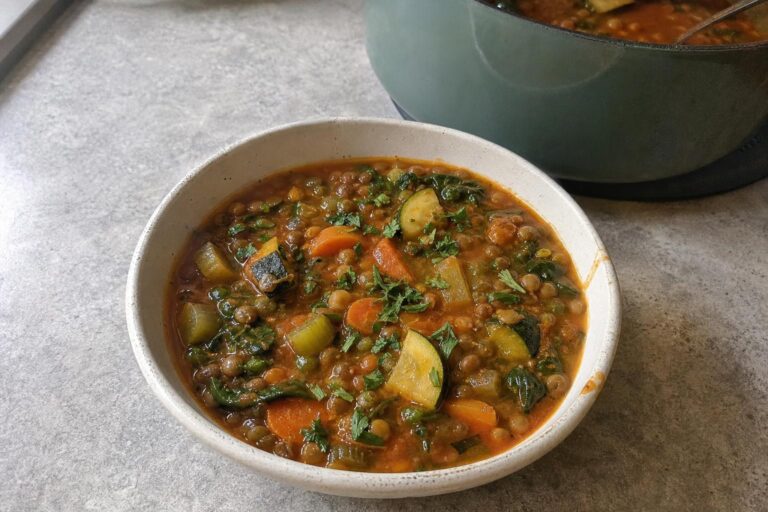
Mediterranean Lentil and Vegetable Soup Recipe