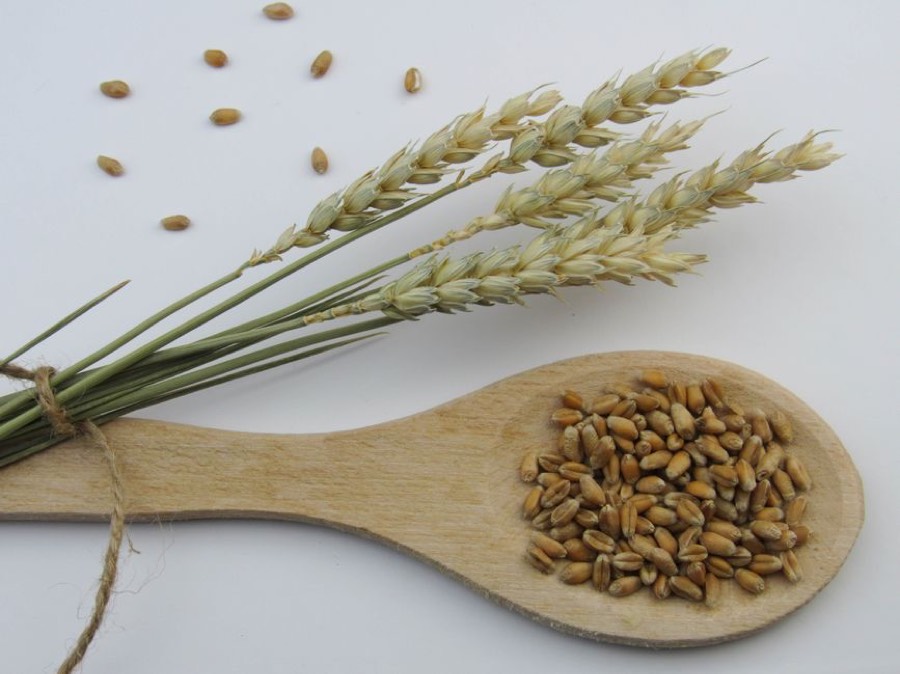
Wheat grains on a wooden spoon beside a bundle of wheat ears

Wheat

ModerateGrains
Medium
Inflammation Score
6/10
Anti-inflammatoryInflammatory
Serving size
1 cup cooked (170 g)
Key nutrients
Gluten (wheat protein)Amylopectin (fast starch)Arabinoxylan (bran fibre)Fructans
Better swap

Where wheat sits on the inflammation scale

Wheat is mildly inflammatory for most people, and how much depends on the form it comes in. The grain has a fibrous bran layer, a germ and a starchy centre. White flour is that centre on its own, so most of the fibre is gone and the starch digests fast. Meals that push blood sugar up quickly, day after day, are linked to low-level inflammation.

Whole wheat keeps the bran and the germ, and that slows digestion. When adults ate whole grains in place of refined ones for several weeks, the inflammation markers in their blood came down. Wheat scores 6 out of 10 on our inflammation scale because most of it is eaten as white flour, in bread, pasta and pastries.

Wheat is also where gluten comes from, the protein that makes dough stretch. In coeliac disease the immune system reacts to it and damages the gut lining, so wheat is out for life. In people without coeliac disease who feel better without wheat, the trigger looks like fructans, a carbohydrate that ferments in the gut, rather than gluten. That fermentation causes bloating, which is not the same thing as inflammation.

Wheat berries are the whole grain, and bulgur is that grain cracked into pieces. Both digest slowly. Wholemeal flour keeps all three parts of the grain but is ground to a powder, which raises blood sugar faster than the intact grain does. Eat the flour forms with protein, vegetables or olive oil, which slow the starch down.

Wheat on the AIP diet

Wheat is not allowed during the elimination phase of the Autoimmune Protocol, which takes out every grain. Wheat is one of the last foods people try to bring back, because gluten and the other wheat proteins are part of the reason the diet exists. In practice that rules out bread, pasta, couscous and most baked goods, and some people never reintroduce it.

Benefits

  • Whole wheat is a good source of fibre, which feeds the bacteria living in your gut
  • Whole grains in place of refined flour lower the inflammation markers in a blood test
  • The bran and the germ carry B vitamins, magnesium and iron
  • Cooked wheat berries and bulgur keep well, so a batch covers several meals

Watch out for

  • Most wheat is eaten as white flour, with the fibre and germ milled out
  • Refined wheat digests fast and pushes blood sugar up quickly
  • Off limits in coeliac disease, where gluten damages the lining of the gut
  • The fructans in wheat ferment in the gut and leave some people bloated

Get the inflammation score of any meal

Just snap a photo or describe your food to get its inflammation score and uncover hidden patterns that may be affecting your well-being.

Download on the App StoreGet it on Google Play
InflammaScan app

Frequently asked

Is whole wheat better than white flour?

Yes. Wholemeal flour keeps the bran and the germ, so it has more fibre and digests more slowly than white flour, which is the starchy centre of the grain on its own.

Does wheat cause inflammation if I do not have coeliac disease?

For most people the effect is small, and it comes from refined flour digesting fast rather than from gluten. In coeliac disease it is different: gluten damages the gut and has to be avoided completely.

Why does bread leave me bloated?

Often because of fructans, a carbohydrate in wheat that ferments in the gut. Bloating and wind from fermentation are uncomfortable, but they are a digestive reaction rather than inflammation.

Do I have to give up wheat to eat an anti-inflammatory diet?

No. Keep the whole grain forms, such as wheat berries, bulgur and wholemeal flour, and cut back on white bread, pastries and other refined wheat foods.

The easiest way to follow an anti-inflammatory diet.

Identify inflammatory foods in seconds, log your symptoms and discover what’s inflaming you. Includes hundreds of recipes.

Download on the App StoreGet it on Google Play
InflammaScan app