Celery
Why celery is anti-inflammatory
Celery is anti-inflammatory, and the reason is apigenin, a plant compound that celery contains more of than almost any other vegetable. In laboratory work, apigenin makes immune cells release fewer of the signals that keep inflammation going.
Almost all of that research uses concentrated apigenin in cells and in mice, not celery. In mice with an inflamed bowel, apigenin protected the lining of the gut and brought the inflammation down. Those doses came from a laboratory, not from a bunch of celery.
Celery is also one of the vegetables highest in nitrate, which is why meat companies buy celery powder. They add it to bacon and ham along with bacteria that turn the nitrate into nitrite, the same substance curing salt supplies. The pack can then be sold as uncured. The label changes and the meat does not, so that bacon sits with the processed meats on our inflammation scale.
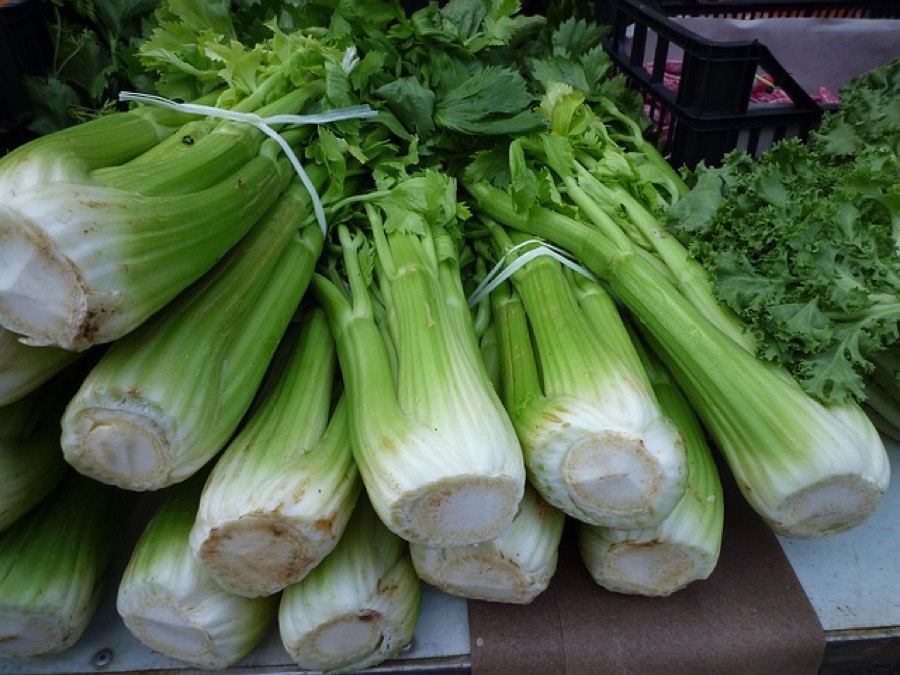
Buy bunches with the leaves still attached, because the leaves hold more apigenin than the pale stalks in the middle. Celery juice is sold as a morning treatment for a long list of complaints, and none of those claims has been tested.
Eat it raw with something to dip it in, or soften it in the base of a soup, where the liquid keeps whatever comes out. Chop the leaves into a salad rather than throwing them out. European food labels have to declare celery as an allergen. People who react to mugwort pollen often get an itchy mouth from raw stalks.

Celery on the AIP diet
Celery is allowed from day one of the AIP elimination phase. It is not a nightshade and it is not a seed spice, so the stalks, the leaves and celeriac all stay on the plate. What comes out is celery seed and celery salt, along with every other seed-based spice. Braised into the base of a stew, it adds flavour at a point where most seasonings are gone.
Benefits
- Rich in apigenin, the plant compound behind its anti-inflammatory reputation
- Almost all water and fibre, so it fills a plate for very few calories
- One of the best vegetable sources of nitrate, which helps blood vessels relax
- Works raw or cooked, so it is easy to eat every day
Watch out for
- Celery powder cures bacon and ham sold as uncured, and the nitrite ends up the same
- One of the allergens Europe requires on labels, often alongside mugwort pollen allergy
- Celery juice has not been tested for the conditions it is sold to fix
- Celery salt and salt-heavy soups undo most of what the vegetable gives you
Frequently asked
Is celery anti-inflammatory?
Yes. Celery carries apigenin, a plant compound that lowers inflammatory signals in laboratory studies, and it is one of the easiest vegetables to eat every day.
Is celery juice better than eating celery?
No. Juicing throws away the fibre. The stalks give you the same plant compounds plus that fibre, and they cost less.
Can I eat celery on the AIP diet?
Yes, the stalks and leaves are allowed from the start of the elimination phase. Celery seed and celery salt are not, because AIP removes every seed-based spice.
Does cooking ruin celery?
No. Cooking softens it without removing the apigenin. Boiling in plenty of water leaches more out than steaming or braising, where the liquid stays with the food.
Anti-inflammatory recipes with Celery

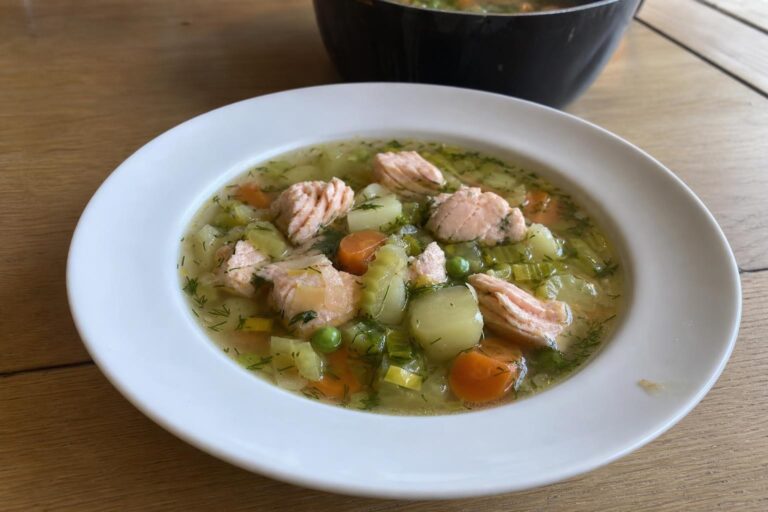
Salmon and Vegetable Soup with Dill Recipe

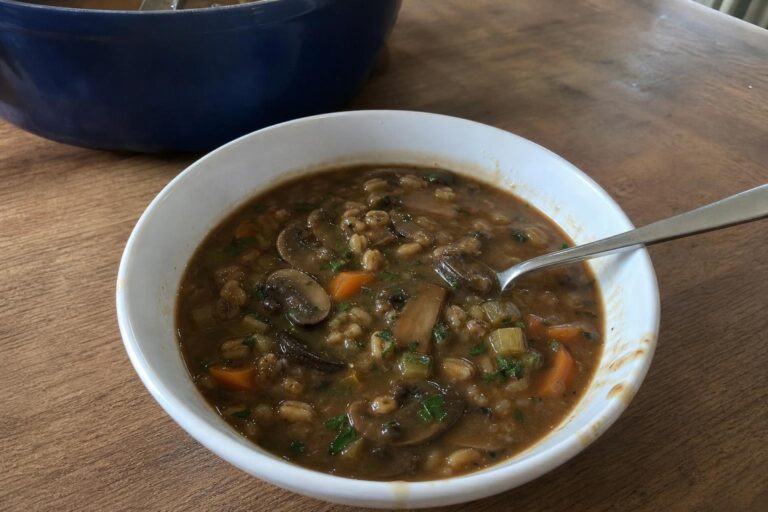
Mushroom Barley Soup Recipe

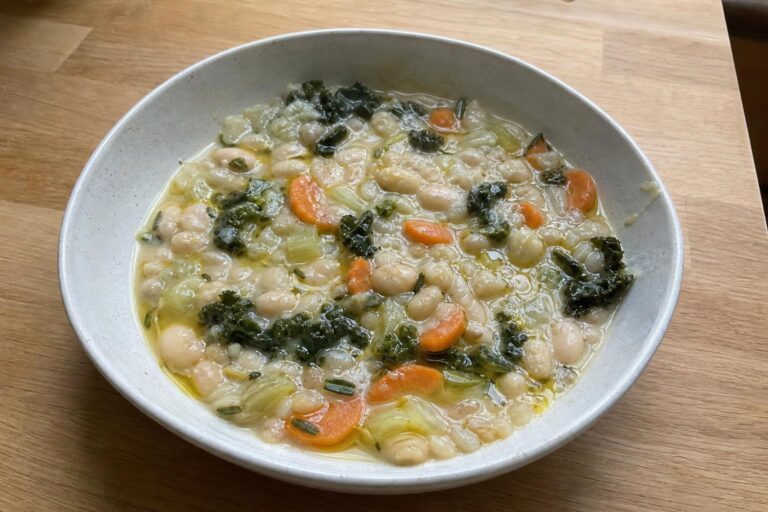
White Bean and Rosemary Stew Recipe

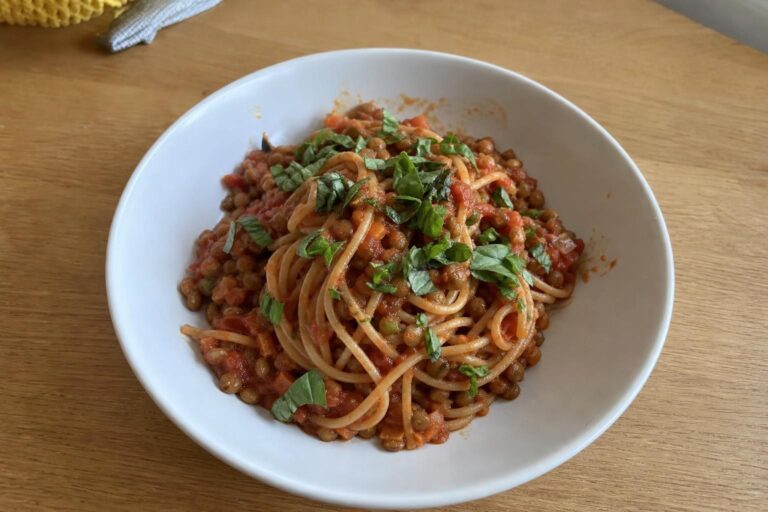
Lentil Bolognese with Whole-Wheat Spaghetti Recipe

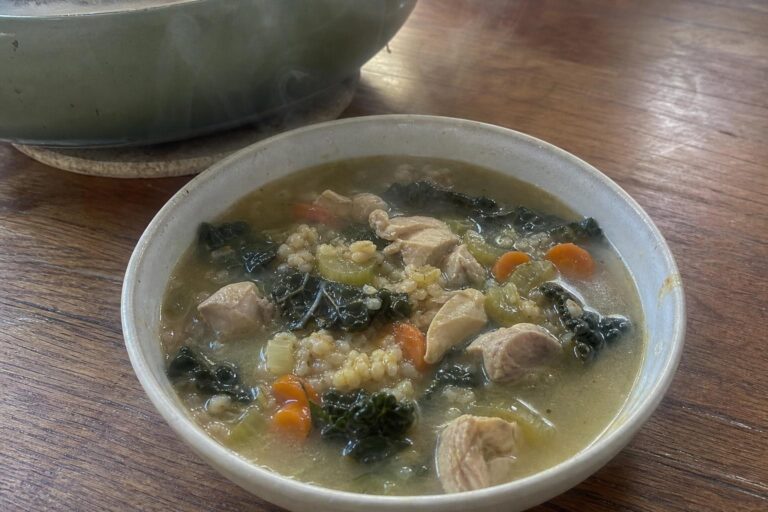
Chicken, Brown Rice, and Kale Soup Recipe