Coconut
Where coconut sits on the inflammation scale
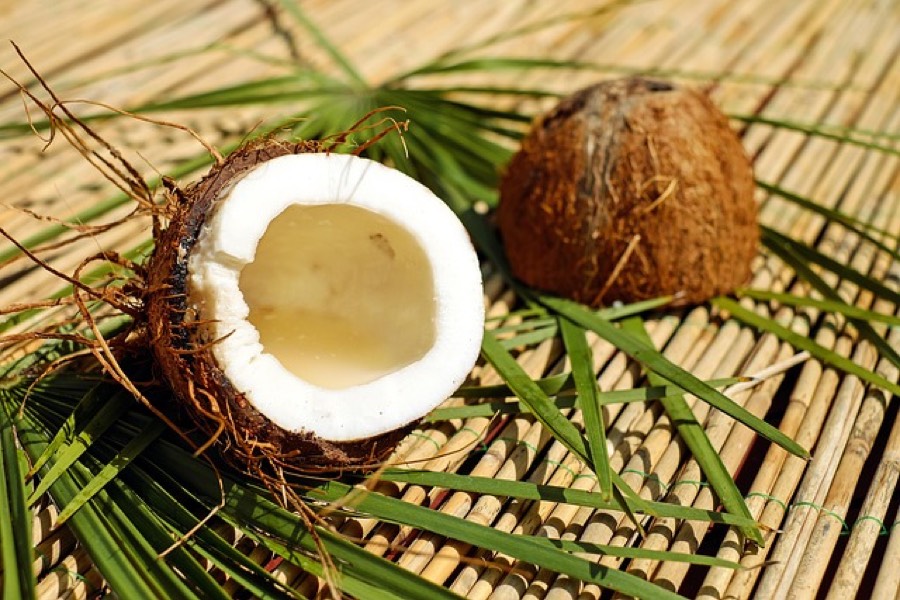
Coconut is mildly anti-inflammatory when you eat the flesh rather than the oil. The flesh is the white layer inside the shell, and a third of it is fat, nearly all of it saturated. A diet high in saturated fat is linked to low-level inflammation, and that is what holds coconut back. The flesh also brings fibre, protein and manganese, a mineral your body uses to build its own antioxidant defences. Pressing it into oil leaves all three behind.
Coconut flesh has not been shown to settle inflammation, and most of the research on it measures blood fats instead. In one trial, eight weeks of eating 30 grams of coconut flakes a day did not improve people’s cholesterol, while coconut milk did.
Coconut scores 4 out of 10 on the inflammation scale, held there by the saturated fat and by how most of it is sold. Shredded coconut for baking is often close to half sugar by weight, and added sugar is linked to higher inflammation signals in a blood test. Unsweetened coconut has one item on its ingredient list.
Buy it unsweetened, fresh or dried, and keep the portion small. Drying takes the water out, so a handful of flakes carries far more fat than the same handful fresh. It works best scattered over porridge or stirred into a curry, where a spoonful or two does the job.

Coconut on the AIP diet
Coconut is allowed during the elimination phase of AIP, and the protocol leans on it: coconut flour stands in for grain flour, coconut milk for dairy, coconut oil for butter. Despite the name it is a fruit, not a tree nut, so the rule against nuts does not touch it. Check dried flakes for added sugar and sulphites, which are both out.
Benefits
- Keeps the fibre, protein and minerals that pressing coconut into oil leaves behind
- No dairy, grain, gluten or nut, so it suits the strictest elimination diets
- A good source of manganese, which your antioxidant defences are built from
- Unsweetened flakes have a single ingredient, which is rare on a snack shelf
Watch out for
- A third of the flesh is fat, and nearly all of that fat is saturated
- Coconut flakes eaten daily for eight weeks did not improve cholesterol in a trial
- Sweetened shredded coconut is often close to half sugar by weight
- Drying concentrates the fat, so flakes add up faster than fresh coconut
Frequently asked
Is coconut inflammatory?
Not on its own. There is no dairy, gluten or grain in coconut flesh, which are the things people react to most often. The saturated fat is the reason it is not an anti-inflammatory food either, and sweetened coconut puts sugar on top of that.
Is coconut a nut?
No, despite the name. Coconut is the seed of a palm fruit and does not carry the proteins behind tree nut allergies, so most people who avoid nuts can still eat it. A small number of people do react to coconut itself, so ask your doctor if you are unsure.
Is fresh coconut better than dried?
Fresh is easier to keep in proportion, because it still holds its water and fills you up sooner. Dried coconut is the same flesh with the water removed, so the fat arrives in a much smaller mouthful. Unsweetened matters more than fresh or dried.
Is coconut allowed on the AIP diet?
Yes. Coconut is one of the foods the Autoimmune Protocol leans on during the elimination phase, standing in for dairy and grain. Check dried flakes for added sugar and sulphites, which are not allowed, and stop if coconut itself seems to bother you.
Anti-inflammatory recipes with Coconut

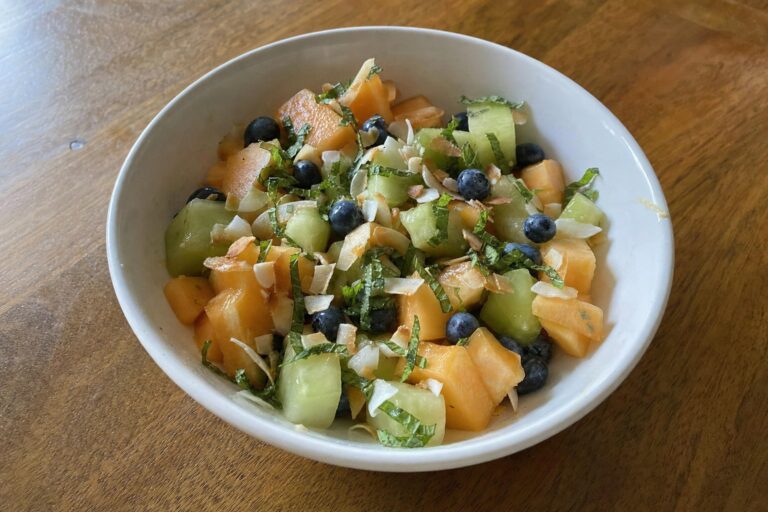
Melon and Mint Breakfast Bowl with Toasted Coconut Recipe

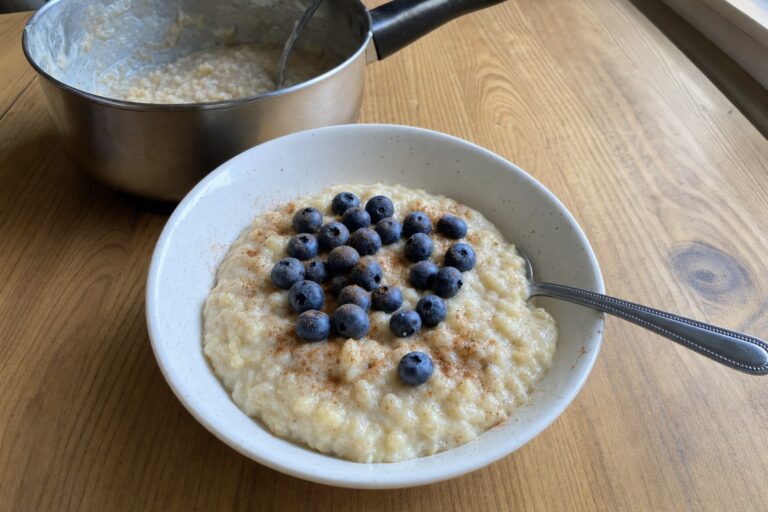
Banana and Coconut Breakfast Porridge Recipe

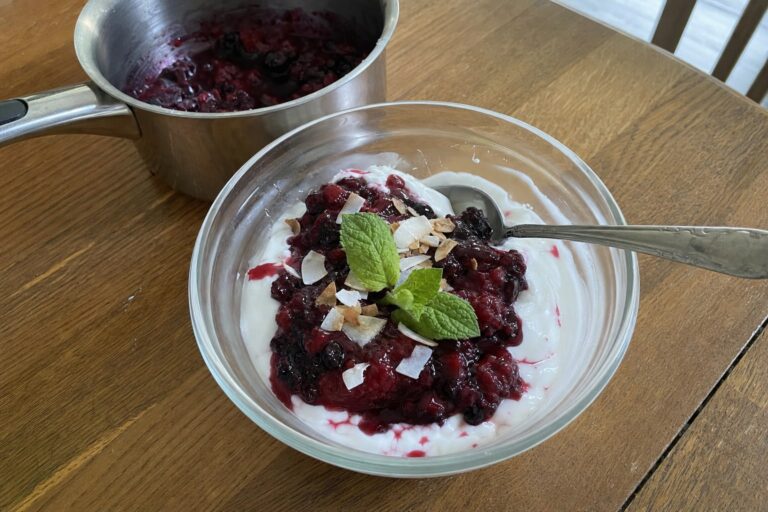
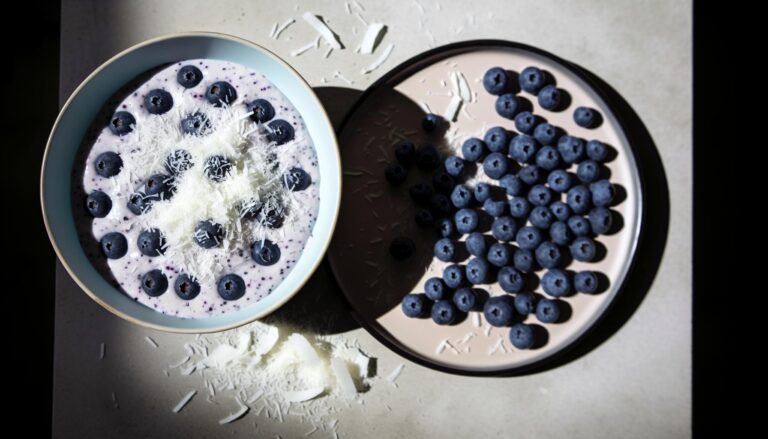
Coconut Yogurt with Warm Berry Compote Recipe

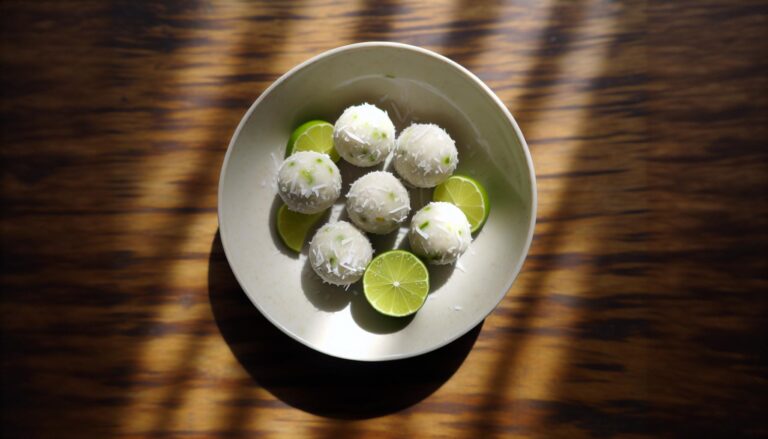
Coconut Lime Energy Balls Recipe

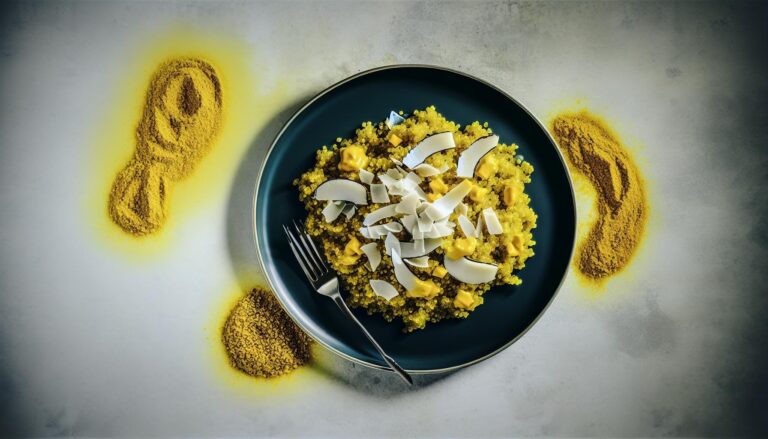
Coconut Turmeric Quinoa Pilaf Recipe