Turkey
Where turkey sits on the inflammation scale
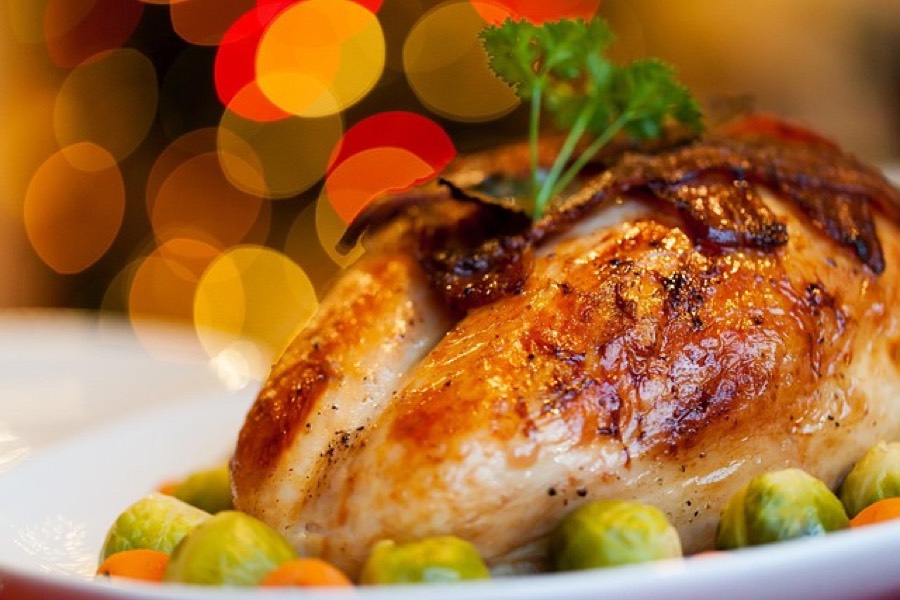
Turkey is anti-inflammatory when you eat it as plain roasted meat. A skinless breast is almost all protein and carries very little saturated fat. Diets high in saturated fat are linked to the low-level inflammation that shows up in a blood test. Most of a turkey’s fat sits in the skin and the darker leg meat, so the piece you take decides how lean the meal is.
That does not make turkey a free pass. Among hundreds of thousands of British adults, the ones who ate more meat had slightly higher inflammation signals in their blood, poultry included. The link was strongest by far for processed meat. Turkey scores 4 out of 10 on the inflammation scale because the rating has to cover the deli counter as well as the roast.
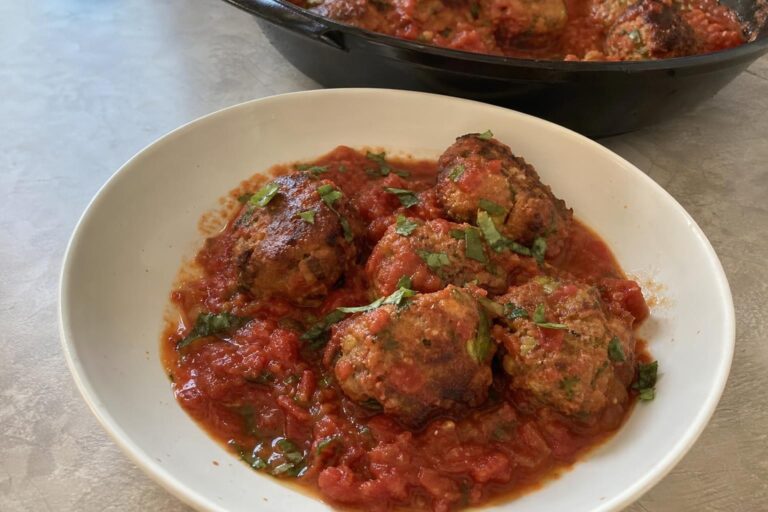
Sliced turkey from the deli counter is a different food. It is cured with salt and preservatives, which places it among the processed meats. Ground turkey varies too, because some of it is made with the skin and dark meat included. Check the fat percentage on the label before you treat it as the lean choice.
How you cook it matters as well. Dry heat creates browning compounds called advanced glycation end products, and these are linked to inflammation. You get them from roasting a bird until the skin browns hard, and from searing cutlets in a hot pan. Lower temperatures, shorter cooking, moist methods such as poaching, and a marinade with lemon juice or vinegar all make fewer of them.

Turkey on the AIP diet
Turkey is allowed on the Autoimmune Protocol from the first day, elimination phase included. Fresh poultry is one of the proteins the diet is built on, so there is nothing to reintroduce later. What comes out is everything added to it: deli slices, birds injected with a brine solution, and spice rubs, which usually bring seed spices or sugar. Plain turkey, cooked at home, stays in.
Benefits
- Skinless breast is one of the leanest meats you can buy
- Very little saturated fat, the part of meat most tied to inflammation
- Rich in selenium, which the body uses to limit cell damage
- A lot of protein for very few calories, so it fills you up
Watch out for
- Deli slices are cured meat, the group most linked to inflammation
- A few slices can hold more salt than a plate of roast turkey
- Ground turkey often includes the skin and dark meat, so the fat varies
- Roasting and searing at high heat create compounds linked to inflammation
Frequently asked
Is turkey inflammatory?
Not on its own. Plain roast turkey is a lean protein with little of the saturated fat that pushes red meat up the scale. The form you buy changes the answer: deli slices are cured with salt and preservatives, and they behave like the rest of the cured meats.
Is turkey healthier than chicken?
They are close. Both are lean poultry, and the cut matters more than the bird. A skinless breast from either one is lean, while the legs and thighs of both carry more fat. Turkey breast is slightly leaner than chicken breast, but not by enough to change a meal.
Is deli turkey bad for you?
It is the worst form turkey comes in. The slices are cured with salt and preservatives, which puts them among the processed meats, and processed meat shows the strongest link to inflammation signals in the blood. Keep it occasional and roast a breast at home when you can.
Is turkey allowed on the AIP diet?
Yes, in every phase, elimination included. Buy it plain. Deli slices, spice rubs and birds injected with a brine solution are out, and that is because of what has been added rather than the meat itself.