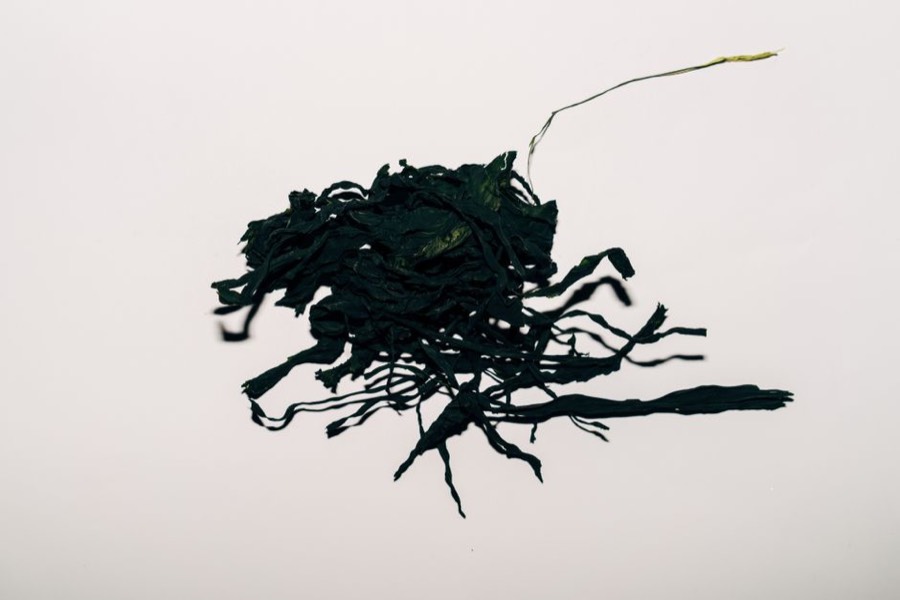
A small pile of dark green dried seaweed strands on a plain light background

Seaweed

Anti-InflammatoryVegetables
Low
Inflammation Score
2/10
Anti-inflammatoryInflammatory
Serving size
1 sheet nori (3 g)
Key nutrients
FucoidanFucoxanthinIodineSoluble fibre
How often
Most days, a nori sheet or a spoonful of wakame

Why seaweed is anti-inflammatory

Seaweed is anti-inflammatory largely because of fucoidan, a sugar-like compound in the slippery coating of brown seaweeds such as kelp and wakame. Added to human cells in a laboratory, fucoidan lowered the amount of inflammation messengers those cells released when something irritated them. Every edible seaweed carries some version of that sticky sugar, which is why the whole group sits at the anti-inflammatory end of the inflammation scale.

Whether eating seaweed does the same in a person is a separate question, because the trials have used extracts. Overweight adults who took a few grams a day of a purified seaweed fibre for six weeks ended with less inflammation showing in their blood. That dose is far more concentrated than a sheet of nori, so the trial supports the idea rather than settling it.

Iodine is the reason to be careful with seaweed. Seaweed takes up minerals straight from seawater, and brown kelps store so much iodine that a small portion can carry many times a day’s worth. Too much iodine can push the thyroid out of its normal range, and packets rarely tell you how much is inside.

The type matters more than the brand. Nori and wakame are mild enough for regular use, while kombu and other kelps are better kept for occasional cooking. Seasoned snack sheets come fried and salted, so read the ingredients before you buy them. A sheet torn over rice, or a spoonful of dried wakame dropped into soup, is a normal portion.

Seaweed on the AIP diet

Seaweed is allowed from the first day of the elimination phase. Nori, wakame, dulse and kelp all count as sea vegetables, and nori sheets are a common wrap once grains and legumes are out. Chlorella and spirulina are a different matter and stay out, because they are single-celled algae that stimulate the immune system. Watch the iodine if you have a thyroid condition, which many people on AIP do.

Benefits

  • Fucoidan, the sticky sugar in brown seaweed, lowered inflammation messengers in human cells
  • Six weeks of a purified seaweed fibre reduced inflammation in the blood of overweight adults
  • One of the few plant foods that supplies iodine, which your thyroid needs
  • Almost no calories, so a portion adds minerals and savoury flavour without much else

Watch out for

  • Brown kelps concentrate iodine, and a small portion can carry many times a day's worth
  • Too much iodine can push the thyroid out of its normal range
  • The human trials used concentrated extracts, not the seaweed you eat
  • Seasoned snack sheets come fried and salted, so read the ingredients before buying

Get the inflammation score of any meal

Just snap a photo or describe your food to get its inflammation score and uncover hidden patterns that may be affecting your well-being.

Download on the App StoreGet it on Google Play
InflammaScan app

Frequently asked

Is seaweed inflammatory?

No, seaweed is anti-inflammatory. Brown seaweeds such as kelp and wakame carry fucoidan, a sugar-like compound that lowered the inflammation messengers of human cells in laboratory tests. The trials in people have used concentrated seaweed extracts rather than the food itself, so what a sheet of nori does to a meal is smaller and less certain.

Is seaweed allowed on the AIP diet?

Yes, from the first day of the elimination phase. Nori, wakame, dulse and kelp are treated as sea vegetables, and nori sheets are a common wrap once grains and legumes are out. Chlorella and spirulina are not allowed, because they are single-celled algae that stimulate the immune system.

Can you eat too much seaweed?

Yes, and iodine is the reason. Brown kelps take up so much iodine from seawater that a small portion can hold many times what you need in a day, and too much iodine over time can push the thyroid out of its normal range. Nori and wakame are much milder.

Which seaweed should I buy?

Nori and wakame for regular use, and kombu or other kelps for the occasional pot of stock. Check seasoned snack sheets, which usually come fried and salted. Dried wakame swells to several times its size in water, so a spoonful is enough for a bowl of soup.

Anti-inflammatory recipes with Seaweed

The easiest way to follow an anti-inflammatory diet.

Identify inflammatory foods in seconds, log your symptoms and discover what’s inflaming you. Includes hundreds of recipes.

Download on the App StoreGet it on Google Play
InflammaScan app