
Barley
Barley is anti-inflammatory largely because of beta-glucan, a soluble fibre it carries more of than almost any other grain.
Some foods calm inflammation. Others fuel it. And most of what you eat every day falls somewhere in between.
We've reviewed the scientific evidence behind each food and assigned it a score from 1 to 10 on the inflammation scale. Here you'll discover why a food may be inflammatory or anti-inflammatory, what to eat instead when it scores poorly, and recipes featuring foods with potential health benefits. Start with the food you eat most often.
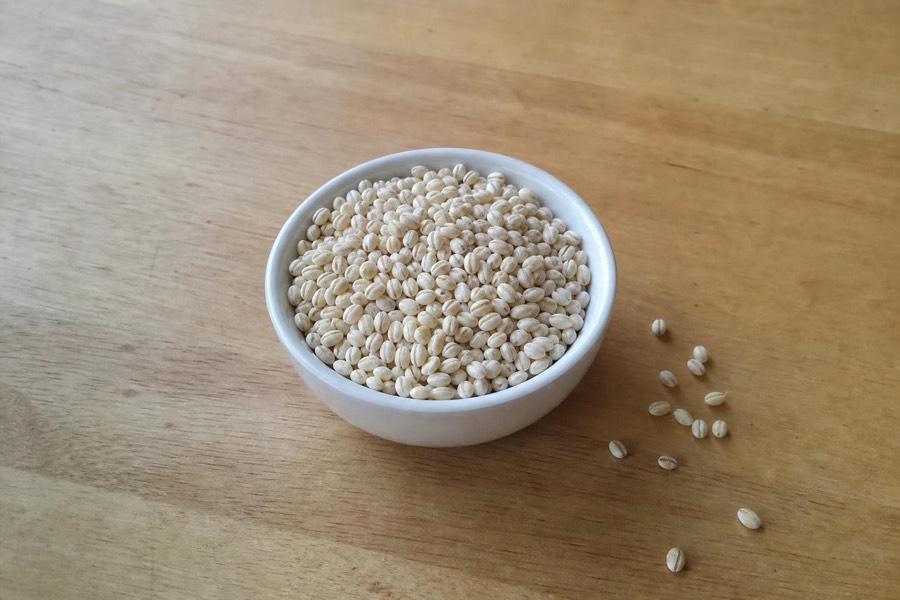
Barley is anti-inflammatory largely because of beta-glucan, a soluble fibre it carries more of than almost any other grain.
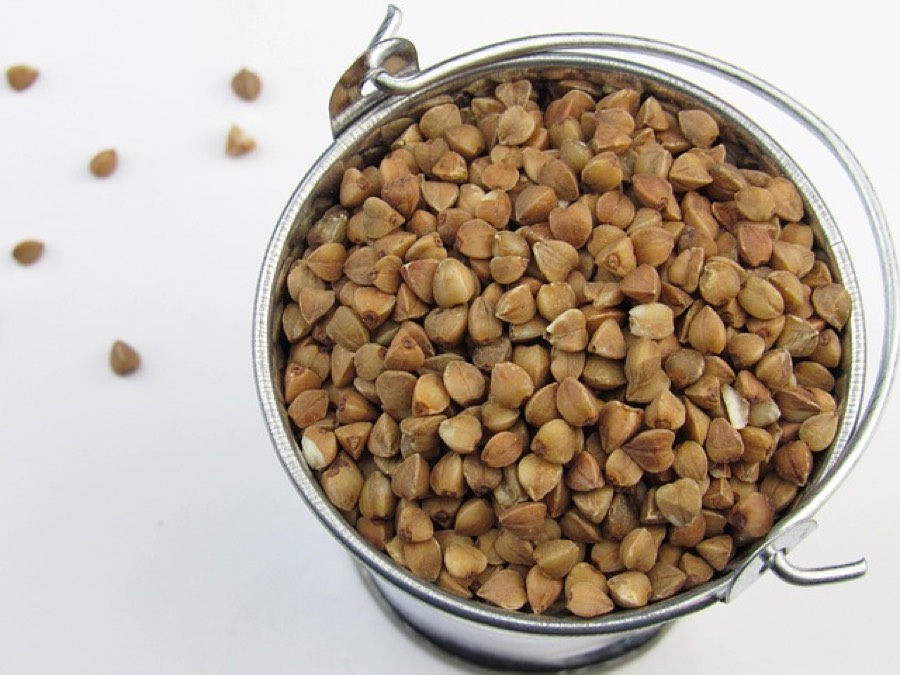
Buckwheat is anti-inflammatory because of rutin, a plant flavonoid it carries far more of than any cereal.
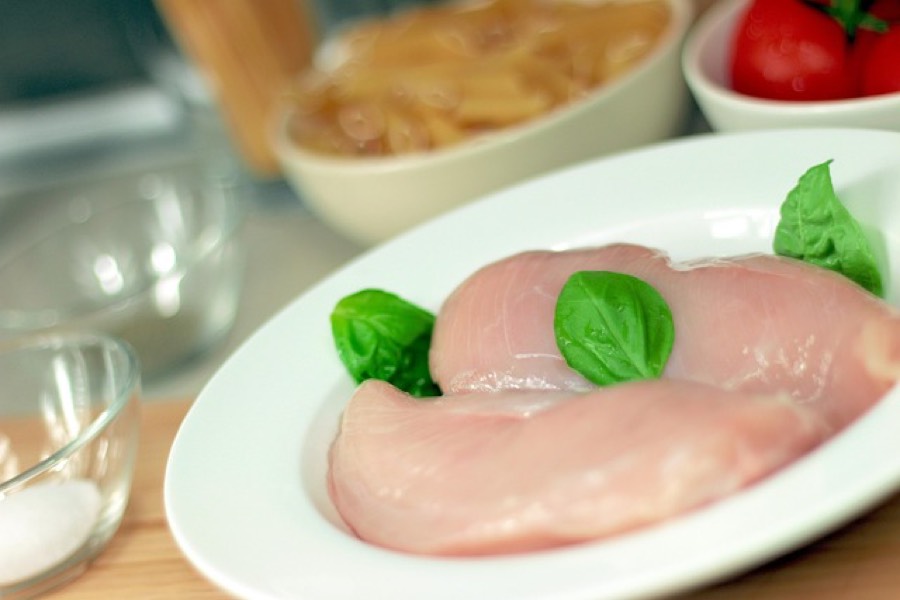
Chicken breast is neutral rather than anti-inflammatory, because it is protein and very little else.
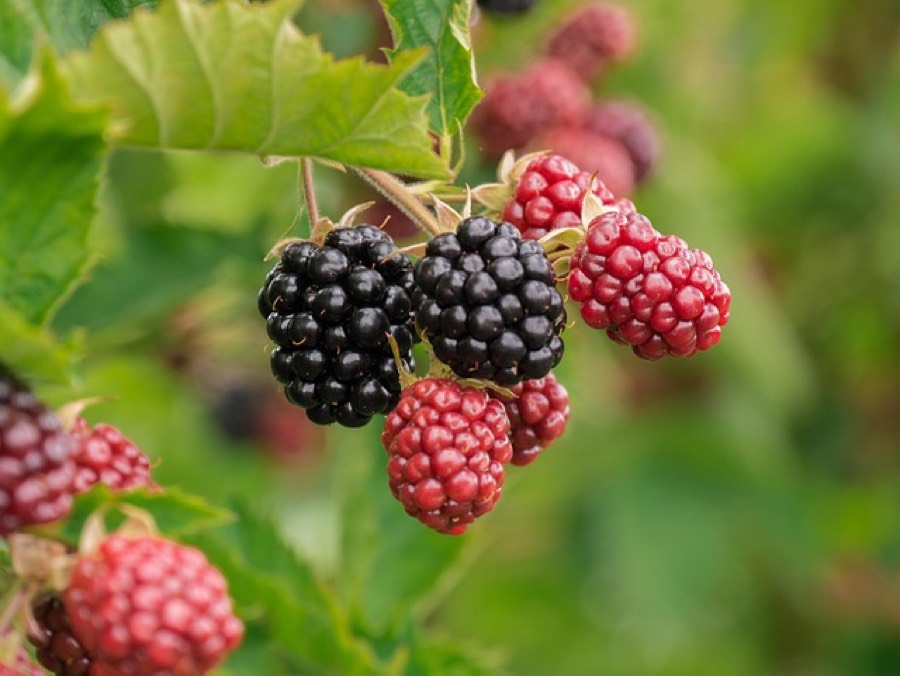
Blackberries are anti-inflammatory, and nearly all of that comes down to cyanidin, which accounts for almost every anthocyanin in the fruit.
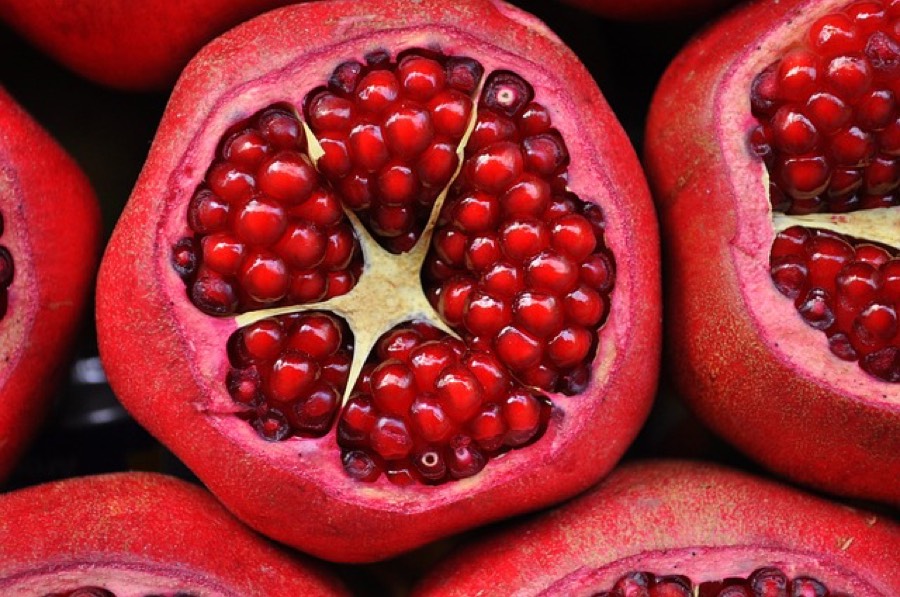
Pomegranate is anti-inflammatory thanks to punicalagins, a group of tannins packed into the rind and the pale membranes that hold the seeds.
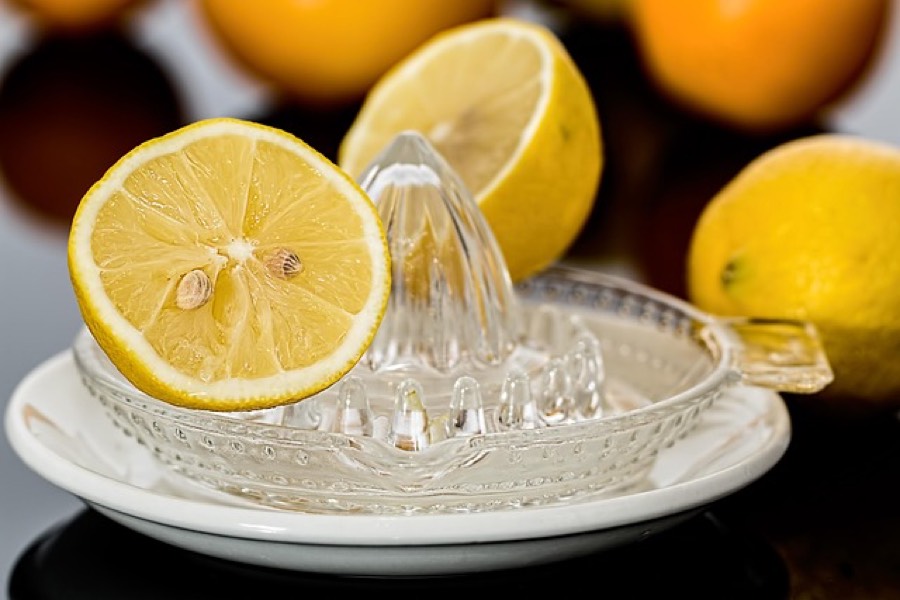
Lemon juice is anti-inflammatory, and the compound that explains it is eriocitrin, the main flavonoid in lemons.
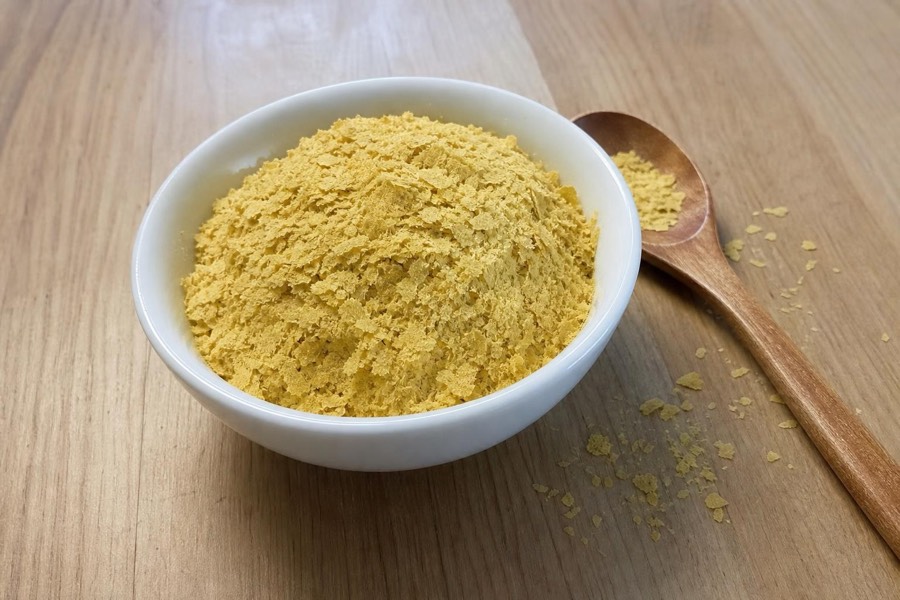
Nutritional yeast is anti-inflammatory, and the reason is beta-glucan, the fibre that yeast cell walls are built from.
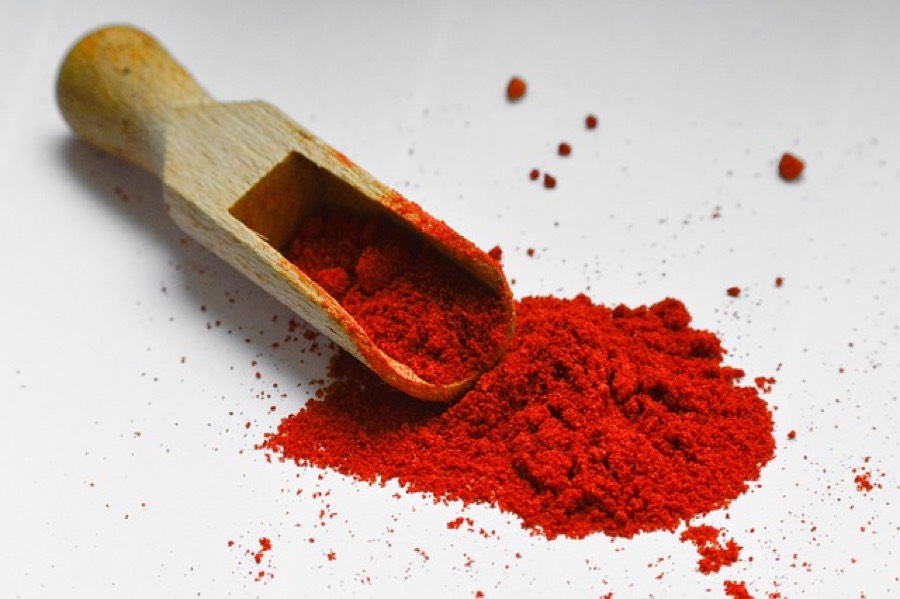
Paprika is anti-inflammatory because of its carotenoids, the pigments that make it red, and capsanthin is the most abundant of them.