Cumin
Why cumin is anti-inflammatory
Cumin is anti-inflammatory thanks to cuminaldehyde, the compound that gives the spice its smell. Cuminaldehyde is the main part of an oil held inside the seed. In the laboratory it blocks one of the enzymes your body uses to build the messengers that start inflammation. In animals it also reduced the pain of worn joints.
In people, cumin has mostly been tested as an oil capsule. Adults who had raised blood sugar, extra weight and high blood pressure together took cumin oil three times a day for eight weeks. Their antioxidant defences rose and a sign of cell damage fell, while the two inflammation markers measured in their blood did not move. The dose was concentrated oil, more than a teaspoon of the ground spice would give you.
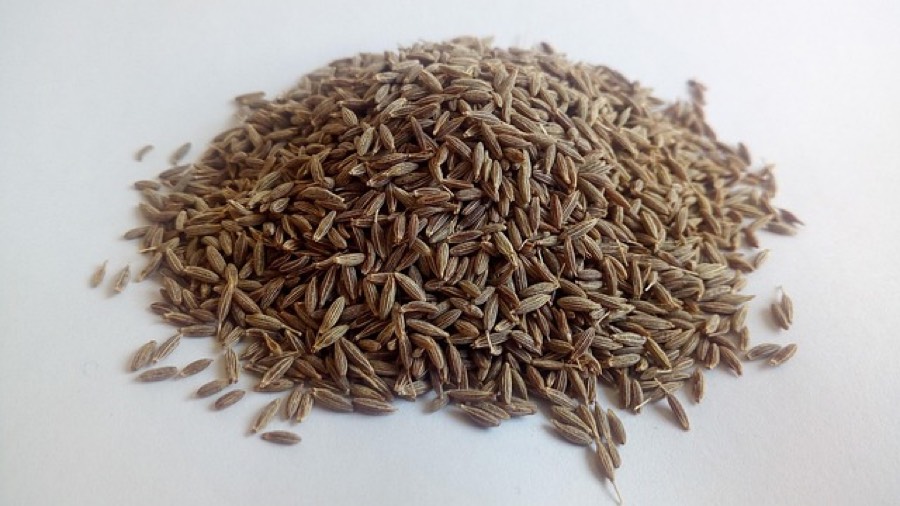
Buy whole seeds if you use cumin often. The oil escapes once the seed is broken, so ground cumin loses its smell within months, and the cuminaldehyde goes with it. Whole seeds keep both for years. Cumin and caraway seeds look almost the same in a jar, so read the label. Caraway is darker, more curved and tastes of aniseed.
Toast whole seeds in a dry pan until you can smell them, then grind them and stir the powder into the dish. Cooking amounts suit almost everyone. Capsules of cumin oil are another matter, because they concentrate that oil many times over. Ask your doctor before taking them, and especially if you are pregnant.

Cumin on the AIP diet
Cumin is out during the elimination phase of the Autoimmune Protocol. AIP cuts the seed spices, and cumin is a seed ground whole, so it goes the same way as coriander, fennel and mustard. Seed spices are usually among the earlier foods people try again once elimination is over. Turmeric, ginger and garlic are all allowed, and a curry still works with those alone.
Benefits
- Cuminaldehyde, the compound behind the smell, blocks an enzyme that helps start inflammation
- Capsules of cumin oil raised antioxidant defences and lowered a sign of cell damage
- Adds warmth and depth to a dish with no salt, sugar or fat
- Unusually rich in iron for a spice, at over a milligram in a teaspoon
Watch out for
- Human evidence uses concentrated cumin oil in capsules, not the spice you cook with
- In that trial the inflammation markers in the blood did not move
- Not allowed in the elimination phase of AIP, along with the other seed spices
- Ground cumin loses its oil within months, and most of its smell with it
Frequently asked
Is cumin inflammatory?
No, cumin is anti-inflammatory. Its smell comes from cuminaldehyde, a compound that blocks one of the enzymes your body uses to build the messengers that start inflammation. That work has been done in the laboratory and in animals, and the trials in people used capsules of cumin oil rather than the spice itself.
Is cumin allowed on the AIP diet?
Not during the elimination phase. AIP removes the seed spices, and cumin is a seed ground whole, so it goes with coriander, fennel and mustard. Cinnamon, turmeric and ginger stay, because they are bark and root. Seed spices are usually among the earlier foods people try again afterwards.
Is black cumin the same as cumin?
No. Black cumin usually means Nigella sativa, a different plant sold as black seed or kalonji, with its own compound, thymoquinone. Ordinary cumin is Cuminum cyminum, the pale brown ridged seed used in curry and chilli. The two taste nothing alike and do not replace each other.
Should I buy cumin whole or ground?
Whole, if you use it often. The oil that carries both the smell and the cuminaldehyde escapes once the seed is broken, so ground cumin goes flat within months while whole seeds keep for years. Toast the seeds in a dry pan and grind them when you need them.
Anti-inflammatory recipes with Cumin

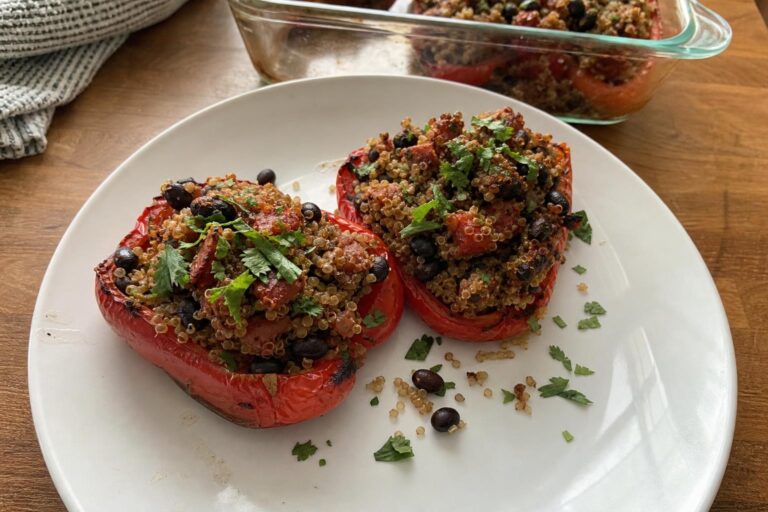
Quinoa-Stuffed Bell Peppers with Black Beans Recipe

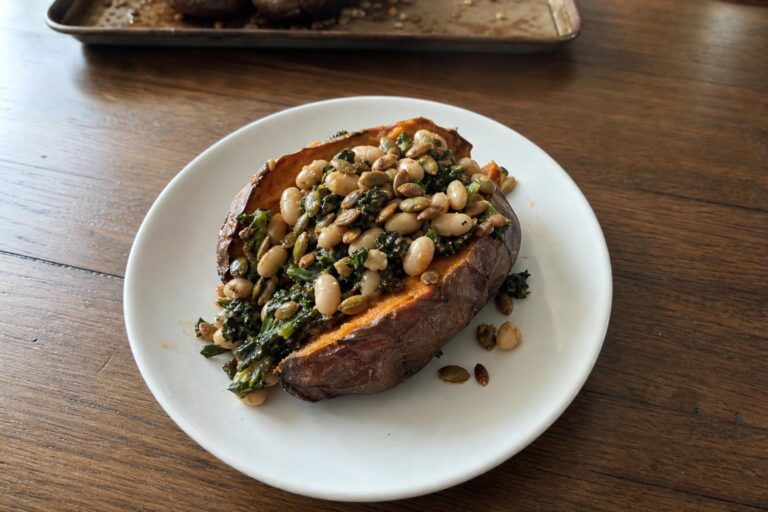
White Bean and Kale Stuffed Sweet Potatoes Recipe

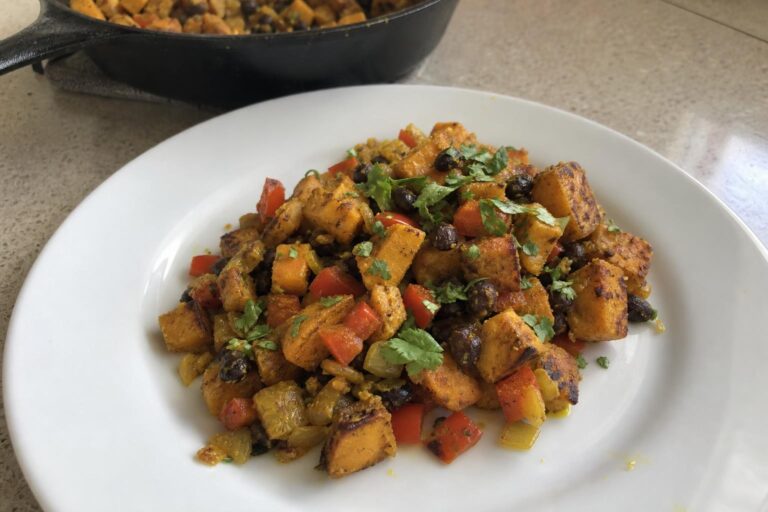
Sweet Potato and Black Bean Breakfast Hash Recipe

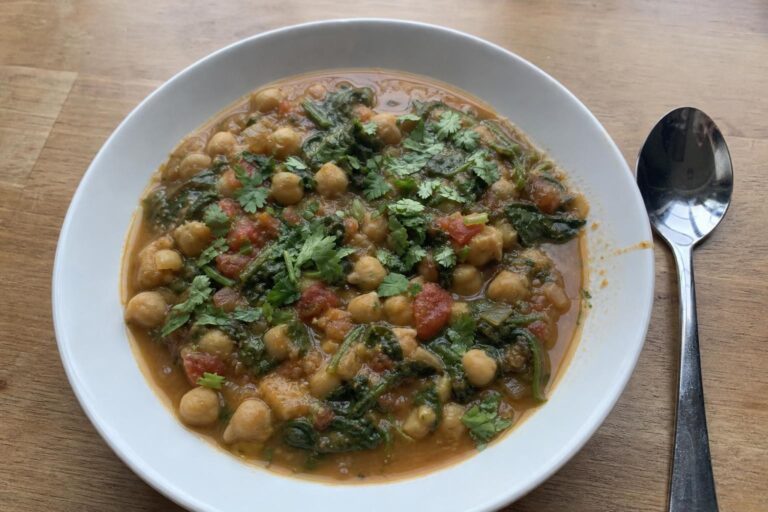
Chickpea and Spinach Stew with Cumin Recipe

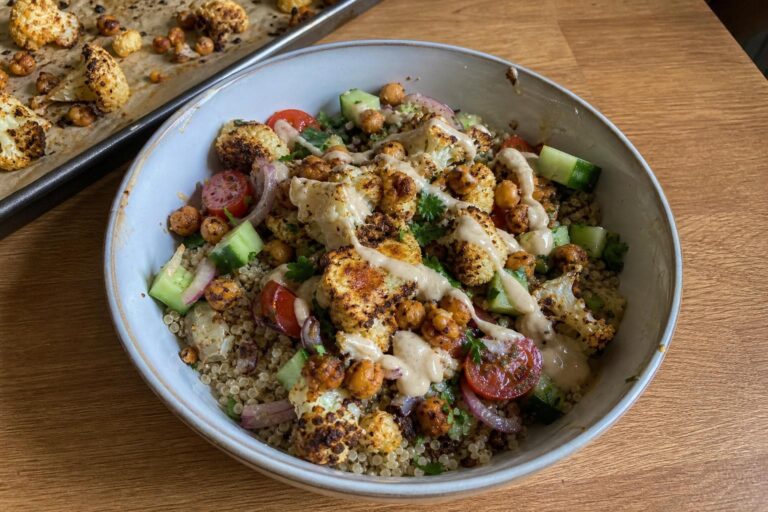
Roasted Cauliflower and Chickpea Shawarma Bowls Recipe