Blackberries
Why blackberries are anti-inflammatory
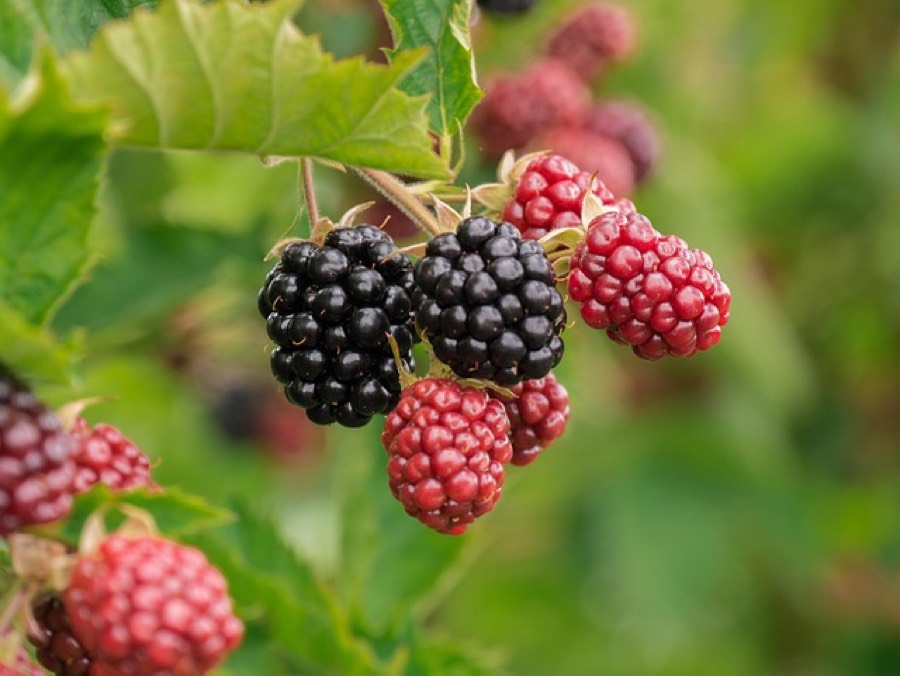
Blackberries are anti-inflammatory, and nearly all of that comes down to cyanidin, which accounts for almost every anthocyanin in the fruit. Anthocyanins are the pigments that darken a berry as it ripens. The inflammation they act on is the chronic, low-grade kind, too mild to feel but visible in a blood test.
Most of what is known about anthocyanins comes from supplements rather than fruit. Pooled trials in people carrying extra weight show inflammation markers in the blood coming down, though for most markers the change is small. A capsule also delivers a fixed dose, and fruit does not.
The seeds do a second job. A cup of blackberries holds about eight grams of fibre, roughly twice what a cup of blueberries gives you. Most of that fibre is in the gritty seeds. Fibre that reaches your large intestine feeds the bacteria living there, and diets high in fibre are linked to lower inflammation.
Most blackberry products get rid of those seeds. Seedless jam and smooth blackberry sauces are strained through a sieve, so the fibre stays behind and the sugar goes in the jar. Plain frozen blackberries keep both the seeds and the colour, and cost less than fresh.
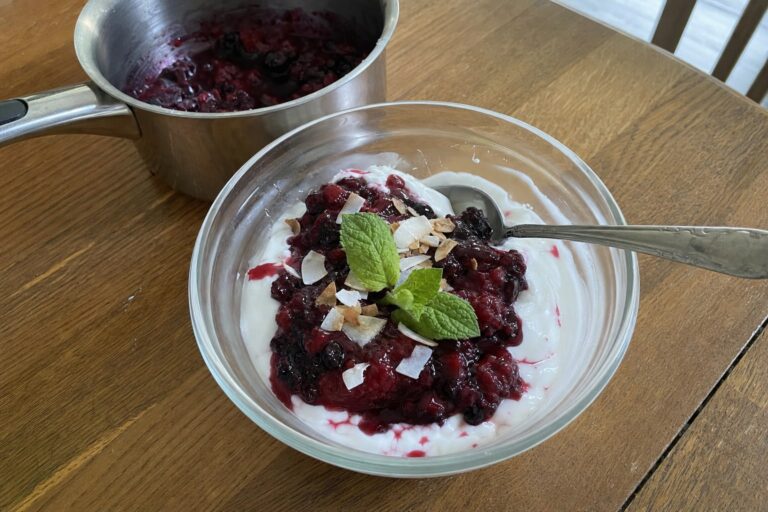
Eat them whole rather than sieved, and wash them only when you are about to eat them, because damp blackberries spoil within a day. If they are too sharp on their own, stir them into plain yogurt or porridge instead of cooking them down with sugar.

Blackberries on the AIP diet
Blackberries are allowed during the AIP elimination phase. The tiny seeds inside them are not the kind the protocol excludes: AIP removes the seeds and seed spices you eat on their own, such as sunflower, sesame and cumin. Most plans also cap fruit sugar at around twenty grams a day, and a cup of blackberries brings about seven, so they fit easily.
Benefits
- Rich in cyanidin, the anthocyanin linked to lower inflammation
- About eight grams of fibre a cup, roughly twice what blueberries give
- Low in sugar for a fruit, around seven grams a cup
- A cup covers about a third of a day's vitamin C
Watch out for
- Seedless jam and smooth blackberry sauces keep the sugar and lose the fibre
- They spoil within a day or two once washed
- Small seeds are excluded from the low-fibre diets used during gut flares
- Dried blackberries are almost always sweetened
Frequently asked
Are blackberries inflammatory?
No, blackberries are anti-inflammatory. The dark colour comes from cyanidin, an anthocyanin linked to lower inflammation, and a cup also carries about eight grams of fibre, more than most fruit.
Are frozen blackberries as good as fresh?
Yes. They are picked ripe instead of picked hard to survive the journey, the colour compounds hold up in the freezer, and they cost less. For porridge, yogurt or a smoothie they do the same job.
Should I sieve out the seeds?
No. Most of the fibre in a blackberry sits in those seeds, so a seedless jam or a smooth sauce throws away the part that feeds your gut bacteria.
Are blackberries allowed on the AIP diet?
Yes, in every phase including elimination. Fruit is allowed, and the seeds inside a blackberry are not the kind AIP takes out, which is the seeds and seed spices you eat on their own. Just keep an eye on your total fruit sugar for the day.