Barley
Why barley is anti-inflammatory
Barley is anti-inflammatory largely because of beta-glucan, a soluble fibre it carries more of than almost any other grain. Your stomach cannot digest beta-glucan, so it reaches the large intestine and feeds the bacteria there. Well-fed bacteria help keep the gut lining in good condition, and a sound lining lets fewer irritants into the blood.
Trials that fed adults barley or oats for several weeks found lower inflammation in the blood, but only in people who already had a weight, cholesterol or blood sugar problem. In healthy adults the same grains changed nothing. So barley seems to help most when something is already wrong, not to lower inflammation in everyone.
Barley scores 3 out of 10 on the inflammation scale, and gluten is one reason: it rules the grain out for anyone with coeliac disease. The other is malt. Malting sprouts the grain so its starch turns to sugar, which is how malt syrup and beer are made. You then get the sugar without the fibre that earns barley its score.
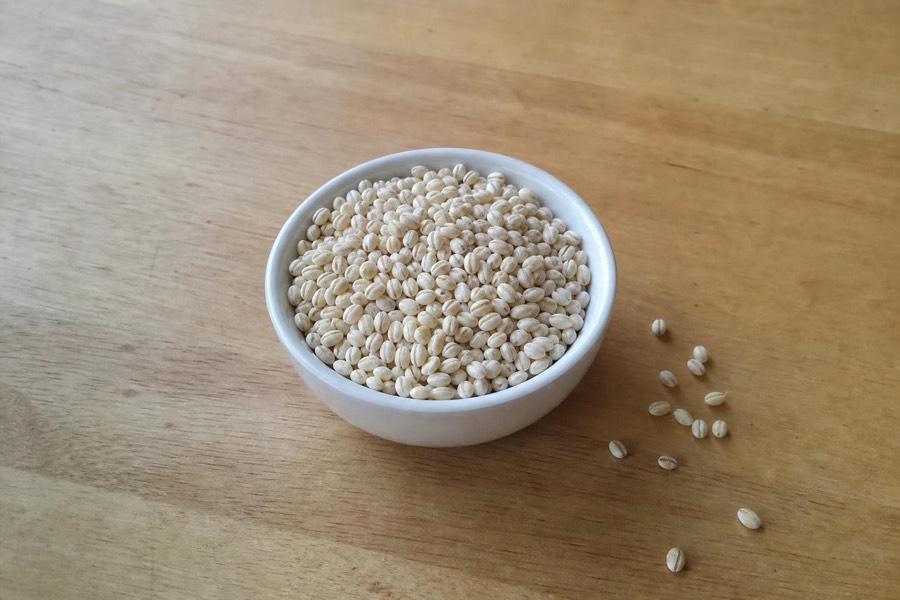
Most shops sell pearl barley, polished to take the bran off. Hulled or pot barley keeps the bran and more fibre, but needs longer in the pan. Pearl barley is still worth buying, because barley keeps much of its beta-glucan deeper in the grain, where polishing does not reach.
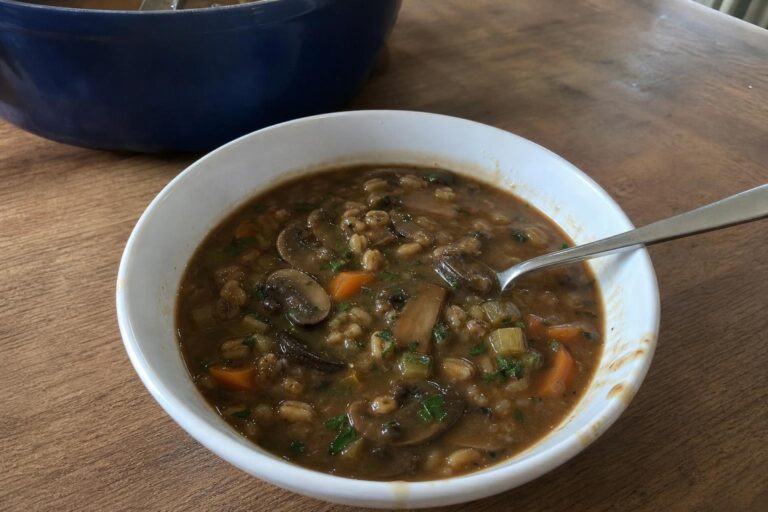
Cook barley in three parts water to one part grain, 25 minutes for pearl and up to an hour for hulled. It stays chewy, so it holds up in soups and cold salads.

Barley on the AIP diet
Barley is not allowed on the AIP diet. The elimination phase takes out every grain, and barley carries gluten on top of that. The combination puts it late in the queue for reintroduction, and many people who follow AIP leave gluten grains out for good. For a similar chew in a soup or a salad, cauliflower rice or diced cooked squash stands in well.
Benefits
- Beta-glucan feeds the bacteria in your large intestine, which helps keep the gut lining sound
- The same fibre lowers cholesterol, an effect measured again and again in feeding trials
- It thickens in the gut and slows the starch down, so blood sugar rises gently
- Unusually for a grain, polishing off the bran still leaves most of the beta-glucan in place
Watch out for
- Contains gluten, so it is off limits with coeliac disease or a gluten sensitivity
- Malt syrup and malt extract are made from barley, and they arrive as sugar without the fibre
- Pearl barley has had its bran polished off, so it carries less fibre than hulled barley
- Barley is starchy, so the portion matters more here than with a vegetable
Frequently asked
Is barley inflammatory?
No, barley is anti-inflammatory. Most of the reason is beta-glucan, the soluble fibre that feeds your gut bacteria and slows a meal down. The barley to watch is malt: malt syrup and malt extract are made by turning the grain's starch into sugar, and the fibre does not come with them.
Is pearl barley still healthy?
Yes. Polishing takes the bran off, so pearl barley has less fibre than hulled barley. But barley is unusual among grains: it holds beta-glucan throughout the kernel rather than only in the bran, so the fibre that matters most survives the polishing.
Can I eat barley on a gluten free diet?
No. Barley contains gluten, and so do malt, malt extract and malt vinegar, which are all made from it. Buckwheat, quinoa and brown rice give you a chewy whole grain without it.
Does barley spike blood sugar?
Less than most grains. Beta-glucan thickens in the gut and slows the starch down, so the sugar arrives gradually instead of all at once. Grains cooked whole do this better than barley ground into flour.