Rosemary
Why rosemary is anti-inflammatory
Rosemary is anti-inflammatory, and the compound doing most of that work is carnosic acid. It sits in the needles alongside a close relative, carnosol, and between them they account for almost all of the leaf’s antioxidant activity. In laboratory tests, both slow an enzyme that white blood cells use to build leukotrienes, the signals that call more immune cells to a sore spot.
The enzyme work was measured on human cells in a dish, at concentrations far above anything a meal delivers. In people the picture is thinner. Adults who took a rosemary and ginger extract for four weeks showed no change in the inflammation markers in their blood. What happens in cells has not yet turned up in someone eating the herb.
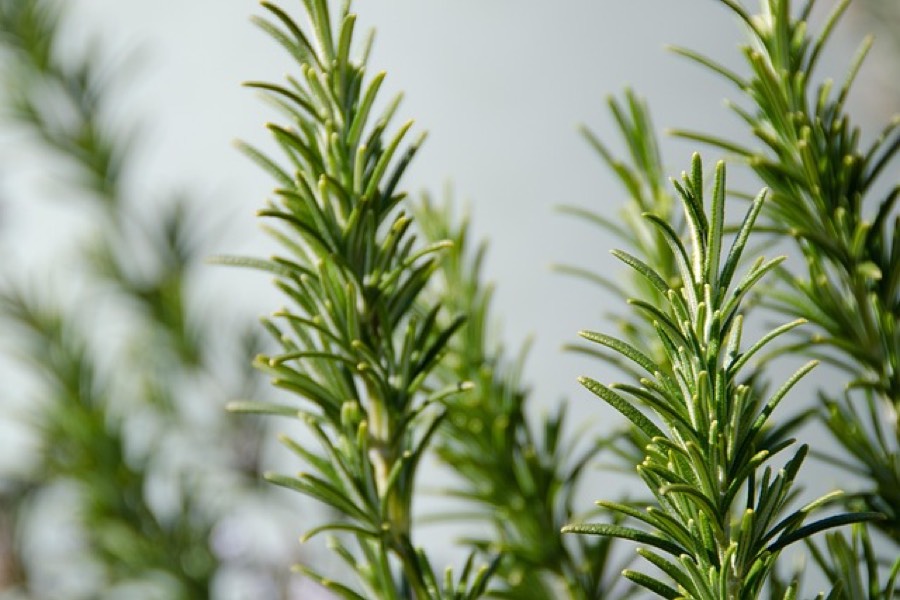
Fresh rosemary is sold as woody sprigs, dried rosemary as whole needles or a ground powder. Whole needles hold their oils far longer than powder, which loses most of its smell within months of opening. Capsules of rosemary extract are a different product, with far more carnosic acid than cooking delivers. Rosemary essential oil is not a food: it goes on the skin or in a diffuser, never in your mouth.
The leaves are tough, so chop them small or drop in a whole sprig and remove it before serving. Carnosic acid dissolves in fat rather than water, so warm olive oil draws more of it out of the leaves than stock does. A teaspoon of dried rosemary in a roasting tin is a normal amount, and nothing about the herb calls for more.

Rosemary on the AIP diet
Rosemary is allowed right through the elimination phase of the Autoimmune Protocol. AIP removes spices made from seeds, such as cumin and coriander, and every spice from the nightshade family, but herbs made from leaves stay in. Rosemary sits there with thyme, oregano, basil and sage, fresh or dried. The one thing to leave out is rosemary essential oil, which is sold for the skin and a diffuser rather than for eating.
Benefits
- Carnosic acid and carnosol give the needles almost all of their antioxidant strength
- In laboratory tests both block an enzyme that builds inflammatory signals
- Seasons roast vegetables, beans and bread without any extra salt
- Allowed all the way through the AIP elimination phase
Watch out for
- The enzyme evidence comes from human cells in a dish, not from people
- Four weeks of a rosemary and ginger extract left inflammation markers unchanged
- Rosemary essential oil goes on the skin or in a diffuser, not in food
- Ground rosemary loses its oils within months; whole dried needles keep longer
Frequently asked
Is rosemary inflammatory?
No, rosemary is anti-inflammatory. Its needles are rich in carnosic acid and carnosol, two compounds that in laboratory tests slow an enzyme white blood cells use to make inflammatory signals. Trials in people have not yet shown the same effect in the blood.
Does rosemary help with joint pain?
There is no good evidence in people that it does. The compounds in rosemary interfere with inflammatory signalling when they are tested on cells, but that has not been tried in anyone with sore joints.
Is rosemary allowed on the AIP diet?
Yes, right from the elimination phase. The Autoimmune Protocol removes spices made from seeds and every spice in the nightshade family, but leaf herbs stay in, so rosemary is fine alongside thyme, oregano and basil.
Is fresh rosemary better than dried?
For flavour, fresh sprigs are softer and less resinous, while dried needles are stronger spoon for spoon. For the carnosic acid, what matters more is how long the jar has been open, since ground rosemary loses its oils faster than whole needles.
Anti-inflammatory recipes with Rosemary

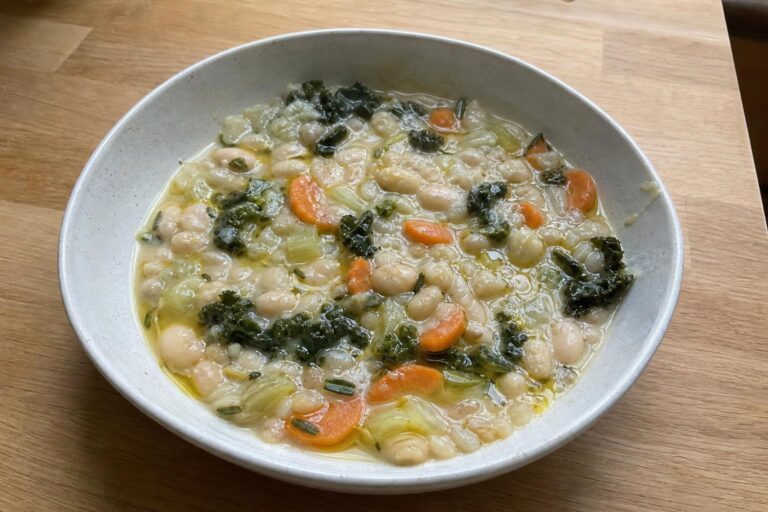
White Bean and Rosemary Stew Recipe

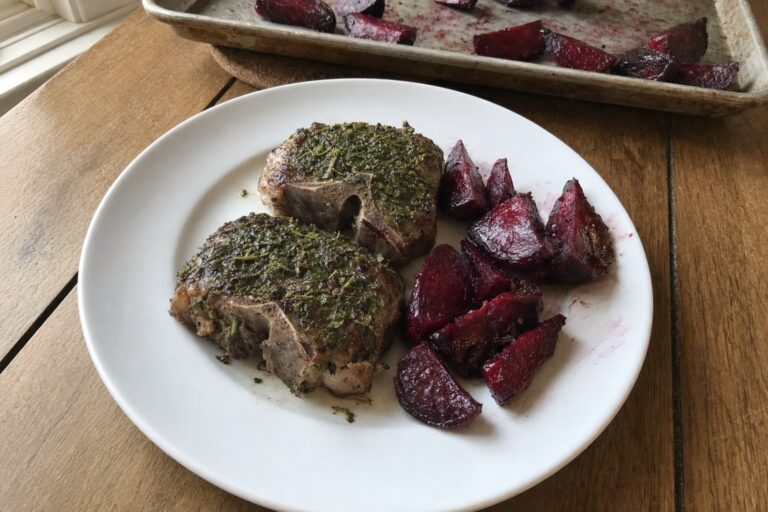
Herb-Crusted Lamb Chops with Mint and Roasted Beets Recipe

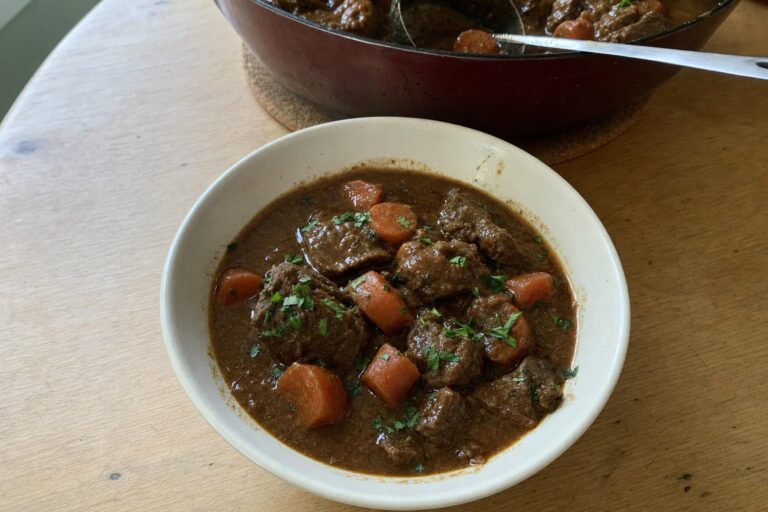
Slow-Cooked Beef and Carrot Stew with Rosemary Recipe

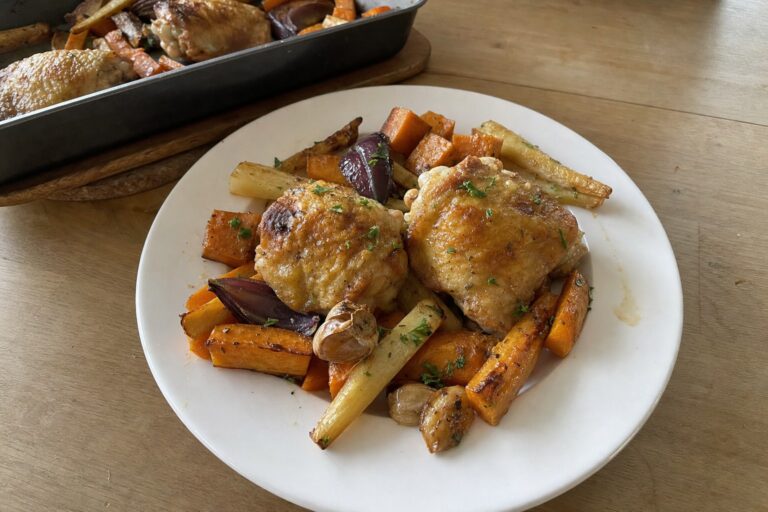
Garlic and Herb Roast Chicken Thighs with Root Vegetables Recipe

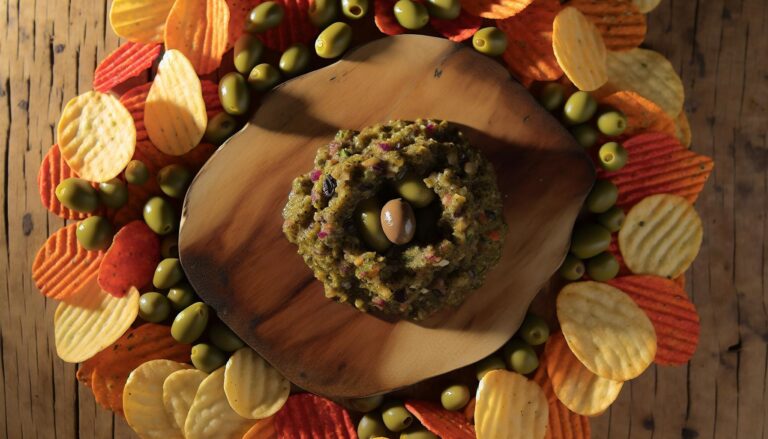
Herbed Olive Tapenade with Veggie Chips Recipe