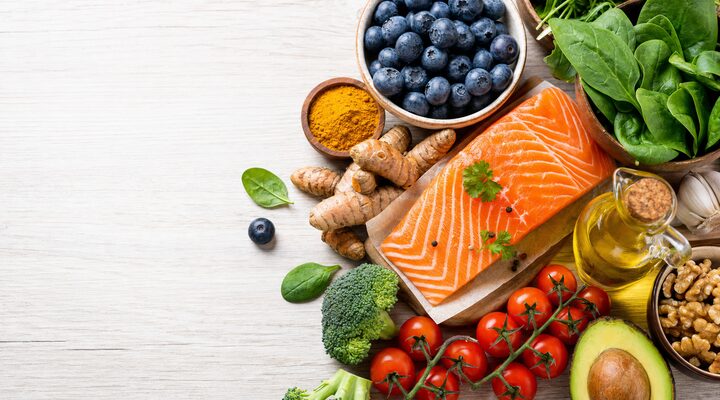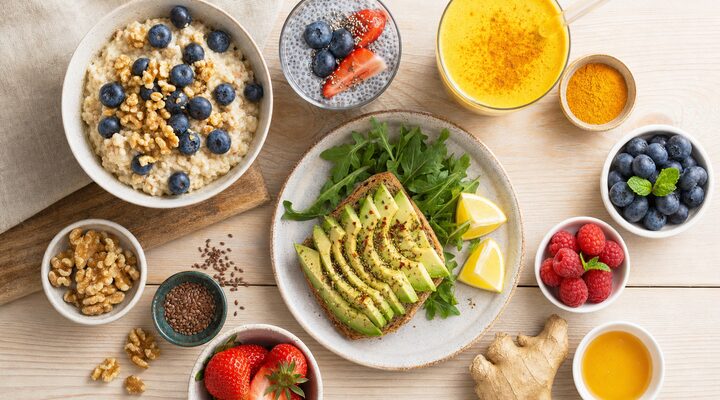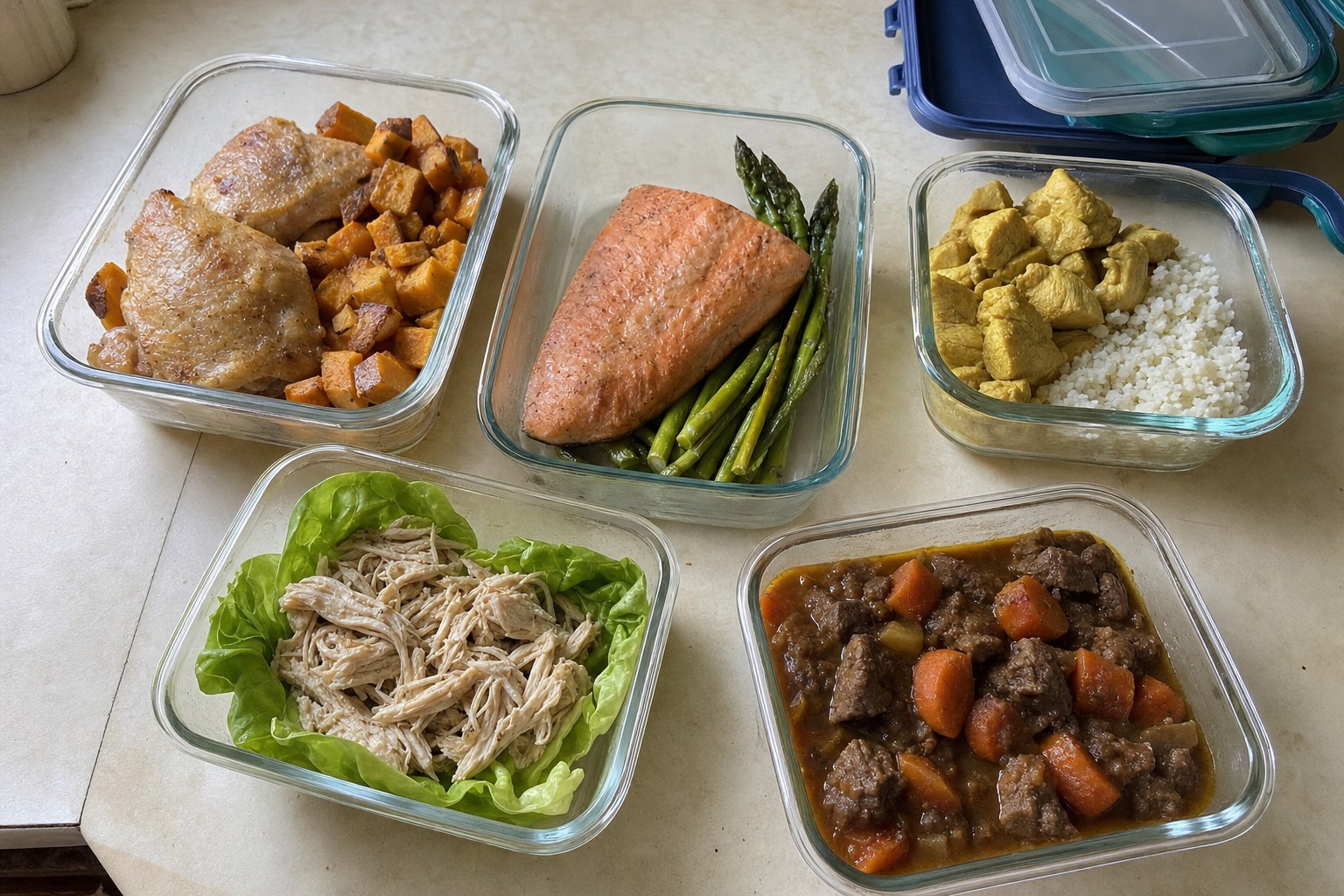
Starting AIP, you know exactly what you can’t eat. The list is long and hard to forget: grains, legumes, dairy, eggs, nuts, seeds, nightshades, coffee and alcohol.
The harder part is the other side: what you eat for breakfast on a Tuesday when eggs, oats and toast are all off the table. That question comes back three times a day for as long as the elimination phase lasts, usually 30 to 90 days.
This AIP meal plan answers it for 30 days, for 2 adults: every breakfast, lunch, dinner and snack is decided and linked to a compliant recipe on this site.
What is an AIP meal plan?
An AIP meal plan is a day-by-day schedule of meals that use only foods allowed in the elimination phase of the autoimmune protocol (no grains, legumes, dairy, eggs, nuts, seeds, nightshades, coffee or alcohol), so you can follow the protocol without checking every ingredient yourself.
This plan covers the elimination phase, the first of the three phases of the AIP diet. It runs on these rules:
- Cook once, eat twice. Every dinner makes 4 servings and becomes the next day’s lunch.
- One prep session before each week. About 2 hours to get the week’s first breakfasts and snacks ready ahead of time.
- Two snacks a day plus a weekend dessert. Desserts land on the sixth and seventh day of each week.
Those rules keep the grocery list short and the weeknights predictable.
How to use this AIP meal plan
The plan is sized for 2 adults (cooking for one, make half of each recipe or freeze the second pair of servings). Each day in the tables has:
- A breakfast.
- A lunch that is last night’s dinner.
- A dinner.
- Two snacks, plus a compliant juice or smoothie on the lighter days.
Day 1 is the one exception to the leftovers rule. There’s no dinner to reuse yet, so lunch is a beef stew you make on the first prep day. The recipe makes 6 servings: 2 for day 1 and 4 for the freezer, which come back as dinner on day 15 and lunch on day 16.
Every recipe was built from the AIP food list and checked ingredient by ingredient: no seed spices, no nightshades, no black pepper. That means you can swap a meal for another one from the same column, breakfast for breakfast and dinner for dinner, and stay inside the protocol. If you’re new to the AIP diet, follow the plan as written for the first week before you start swapping.
You’ll notice the repetition. Fifteen main dishes each appear twice, and 8 breakfasts rotate through the month. That’s on purpose: fewer decisions, fewer ingredients to buy and less food thrown away.
Your 30-day AIP meal plan
Every meal links to its recipe, and leftover lunches are marked.
Week 1 (days 1 to 7)
Week 2 (days 8 to 14)
Week 3 (days 15 to 21)
Most of week 1’s dinners come back in a new order, so the shopping list stays close to week 1’s. Day 15 is a night off: dinner is the stew from the freezer.
Week 4 (days 22 to 30)
Week 4 runs 9 days so the plan ends on day 30. The stew on day 29 is cooked fresh and makes 6 servings, so two go in the freezer for after the plan.
The weekly prep session
AIP meal prep in this plan is one session of roughly 2 hours before days 1, 8, 15 and 22 (the Sunday before, if you start on a Monday).
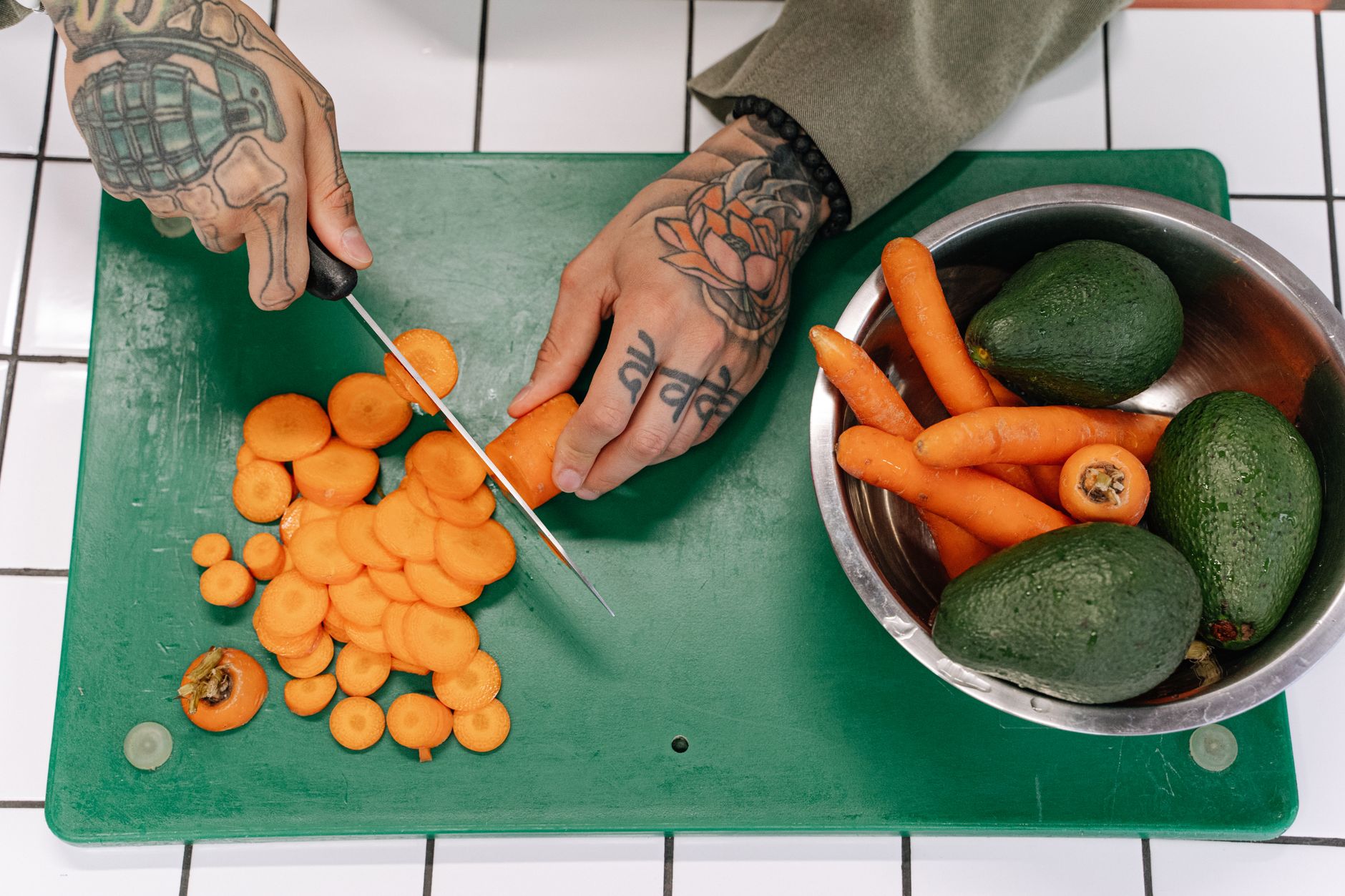
Each session produces:
- The week’s soup.
- The first breakfast batch of the week.
- Make-ahead snacks for the week: herb-marinated olives, toasted coconut chips and frozen banana and blueberry bites.
- The beef stew, on the first session only.
The prep session is what keeps weeknights light. Most dinners in the plan take 20 to 40 minutes. The longest are the lamb chops with beets at 65 minutes and the beef stew at 3 hours, which is hands-off.
Your AIP shopping lists
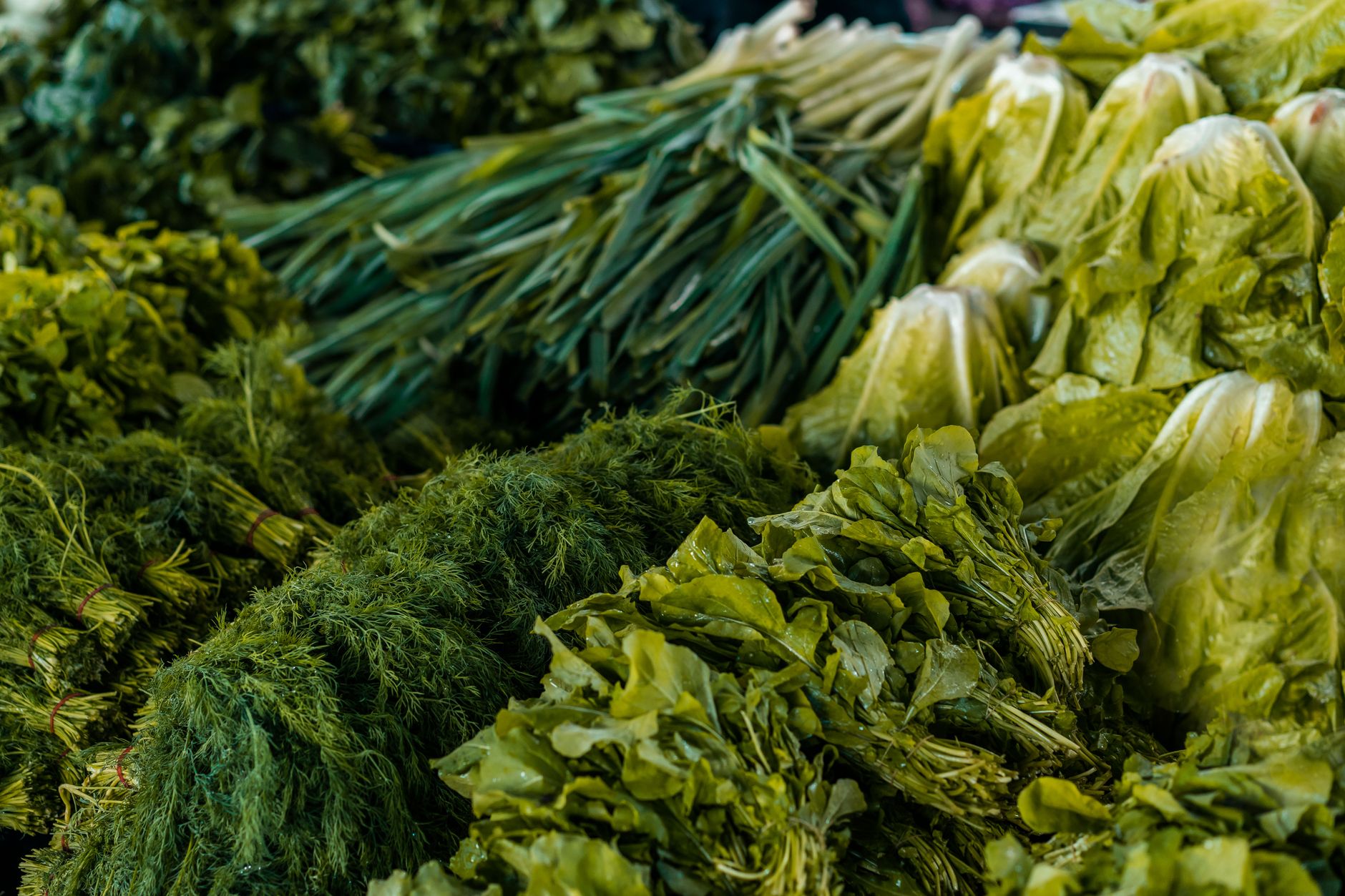
An AIP shopping list works best in two layers: one pantry list for the month, then a short fresh list for each week. Quantities are given for the proteins (for 2 adults). Produce is listed by name because how much you need depends on what’s already in your kitchen.
Store-bought broth, sauces and spice blends are where hidden paprika, seed oils and pepper show up, so read labels. Checking whether a packaged product fits the elimination phase while you’re standing in the aisle is what the InflammaScan app is there for.
Pantry staples for the whole month
- Oils and fats: extra virgin olive oil, coconut oil.
- Coconut products: full-fat canned coconut milk, coconut cream, coconut butter, unsweetened coconut flakes (large and shredded).
- Cupboard: coconut aminos, apple cider vinegar, arrowroot starch, capers, black and green olives in brine, honey, maple syrup.
- Dried herbs and spices: ground cinnamon, ground turmeric, dried oregano, dried thyme, bay leaves, sea salt.
- Broth: chicken and beef bone broth, homemade or store-bought with no pepper, seed spices or additives.
Week 1 (buy before the first prep day)
- Protein: 2 lb beef chuck, 8 bone-in chicken thighs, 1 1/2 lb boneless chicken thighs, 4 salmon fillets, 2 1/2 lb lean ground beef, 1 lb ground turkey, 1 1/2 lb pork tenderloin, 4 cod fillets, 8 lamb loin chops.
- Produce: sweet potatoes, carrots, parsnips, beets, zucchini, asparagus, cauliflower, cremini mushrooms, baby bok choy, kale, spinach, celery, cucumbers, radishes, avocados, yellow and red onions, spring onions, garlic, fresh ginger, lemons, limes, apples, bananas, blueberries, mixed berries, pears.
- Fresh herbs: rosemary, thyme, parsley, basil, mint, sage, cilantro, chives, oregano.
- Fridge: plain unsweetened coconut yogurt.
Week 2
- Protein: 8 bone-in chicken thighs, 8 chicken drumsticks, 1 1/2 lb boneless chicken breasts, 1 1/2 lb large shrimp, 1 1/2 lb lean ground beef, 1 lb ground turkey, 4 bone-in pork loin chops, 4 tuna steaks, 8 oz plain smoked salmon.
- Produce: sweet potatoes, carrots, broccoli, zucchini, kale, baby spinach, butterhead lettuce, cucumbers, radishes, avocados, yellow and red onions, spring onions, garlic, fresh ginger, lemons, limes, apples, bananas, blueberries, cantaloupe, honeydew melon, frozen mango chunks.
- Fresh herbs: basil, cilantro, mint, parsley, sage, chives, dill, oregano.
Week 3
- Protein: 8 bone-in chicken thighs, 4 1/2 lb boneless chicken thighs, 4 salmon fillets, 2 1/2 lb lean ground beef, 1 lb ground turkey, 1 1/2 lb pork tenderloin, 4 cod fillets.
- Produce: sweet potatoes, carrots, parsnips, beets, asparagus, cauliflower, baby bok choy, kale, spinach, celery, cucumbers, radishes, avocados, yellow and red onions, spring onions, garlic, fresh ginger, lemons, limes, apples, bananas, blueberries, mixed berries, pears.
- Fresh herbs: rosemary, thyme, parsley, cilantro, mint, sage, chives, oregano.
- Fridge: plain unsweetened coconut yogurt.
Week 4 (days 22 to 30)
- Protein: 2 lb beef chuck, 8 bone-in chicken thighs, 8 chicken drumsticks, 1 1/2 lb boneless chicken breasts, 8 lamb loin chops, 1 1/2 lb large shrimp, 1 1/2 lb lean ground beef, 1 lb ground turkey, 4 bone-in pork loin chops, 4 tuna steaks, 8 oz plain smoked salmon.
- Produce: sweet potatoes, carrots, beets, broccoli, leeks, zucchini, cremini mushrooms, kale, baby spinach, butterhead lettuce, cucumbers, radishes, avocados, yellow and red onions, spring onions, garlic, fresh ginger, lemons, limes, apples, bananas, blueberries, mixed berries, cantaloupe, honeydew melon, frozen mango chunks.
- Fresh herbs: rosemary, thyme, parsley, basil, mint, sage, cilantro, chives, dill, oregano.
- Fridge: plain unsweetened coconut yogurt.
How much this plan gives you each day
Following the plan as written gives each adult about 1,750 calories and 95 g of protein a day on average. Both numbers come from the per-serving nutrition table of every recipe.
The table shows the 30-day average, the lightest and heaviest days and the protein range, all per person.
| Per person, per day | Calories | Protein |
|---|---|---|
| 30-day average | 1,750 kcal | 95 g |
| Lightest day (day 30) | 1,445 kcal | 69 g |
| Heaviest day (day 7) | 2,080 kcal | 85 g |
| Protein range across the month | n/a | 69 to 137 g |
Is that enough for you? The Dietary Guidelines for Americans 2025-2030 say the calories you need depend on your age, sex, height, weight and physical activity. They use a 2,000-calorie pattern as their reference and set protein at 1.2 to 1.6 g per kilogram of body weight per day.
For a 154 lb (70 kg) adult, that works out to 84 to 112 g of protein. So 95 g sits inside that range for many people.
This matters more on AIP than on most diets. Cutting grains, legumes and nuts removes a lot of easy calories, and eating too little is a risk of any elimination diet. If you feel underfed, you probably are.
Here’s how to scale the plan up with compliant foods:
- An extra serving of the protein at lunch.
- A second bowl of the week’s soup.
- More sweet potato or root vegetables at dinner.
- Half an avocado, or a spoon of olive oil or coconut milk, on top of a meal.
- An extra snack.
Tall, active or larger adults will likely need more. Smaller or less active people may need less. If you have a medical condition or you’re underweight, work the numbers out with a registered dietitian.
Mistakes that sneak into “AIP” meal plans
These eliminated ingredients are the easiest to miss when you shop or adapt a recipe:
- Seed spices. Cumin, coriander, fennel, mustard, nutmeg, celery seed and anise are all eliminated. Herbs from leaves, bark and roots stay in: basil, oregano, thyme, rosemary, sage, cinnamon, ginger and turmeric.
- Nightshade spices hiding in blends. Paprika, cayenne and chili powder come from nightshades, and they’re often listed as just “spices” on a label.
- Eggs in paleo recipes. Paleo allows them. AIP doesn’t.
- Nut flours and nut milks. Almond flour and almond milk are out with the rest of the nuts.
Most of these get in through convenience products and recipe swaps. The AIP food list settles most of them, including which spices come from seeds.
A few more are easy to miss:
- Peanut butter, green beans and peas. All are legumes.
- Store-bought broth. Check for pepper, seed spices and additives, or make your own.
- Black pepper. The AIP food list this site follows doesn’t classify it either way. Every recipe in this plan leaves it out, so you never have to make that call.
How long to follow it: 21, 30 or 90 days
The elimination phase typically lasts 30 to 90 days, which is why the plan covers 30 days and can be repeated. Published protocols vary: a small study of 15 adults with inflammatory bowel disease ran the elimination phase for 6 weeks.
Pick the length that fits your situation:
- 21 days: run weeks 1 to 3.
- 30 days: run all four weeks.
- Longer than 30: repeat the four weeks. The second round works better if you rotate the order of the weeks.
Your doctor or a registered dietitian can help you decide how long is right for you.
Reintroduction is the second of the three AIP phases: you bring foods back one at a time and watch how you react. The elimination phase is meant to be temporary.
Not doing AIP and just want to eat less inflammatory food? The 21-day anti-inflammatory diet plan is built for that, with a wider food list.
Frequently asked questions
Why can’t you eat eggs on the AIP diet?
Eggs are eliminated on AIP because egg whites contain lysozyme, an enzyme the protocol flags as a possible gut irritant. That’s the protocol’s working theory, not a confirmed mechanism. Eggs are among the first foods tested in reintroduction, so the ban is temporary.
Can you eat peanut butter on AIP?
No, peanut butter isn’t allowed on AIP, because peanuts are legumes and legumes are cut during the elimination phase. Nut and seed butters are out as well, since nuts and seeds are eliminated too. Coconut butter covers the same spot in this plan: apple slices with coconut butter and cinnamon are one of the snacks.
Will you lose weight on this AIP meal plan?
This AIP meal plan isn’t designed for weight loss. At about 1,750 calories a day on average, some people will lose weight and others won’t, depending on what their bodies need. If you’re losing weight you didn’t want to lose, add an extra serving of protein, a second bowl of soup, more sweet potato or half an avocado, and check the numbers with a registered dietitian.
Can you follow this plan if you cook for one?
Yes, you can cook for one by halving each recipe or by cooking the full recipe and freezing half. The plan is sized for 2 adults, and the soups and the beef stew freeze well. Halving a dinner still gives you tonight’s meal and tomorrow’s lunch.