You’ve spent weeks eating to lower chronic inflammation. Then a dinner out comes up, or a friend’s wedding, and the drink menu arrives.
One glass feels like it could undo the week. The next morning, your knee aches.
There has to be a least inflammatory alcohol, you think.
By the end of this article, you’ll know which drink to order, which to skip and how much keeps the damage small.
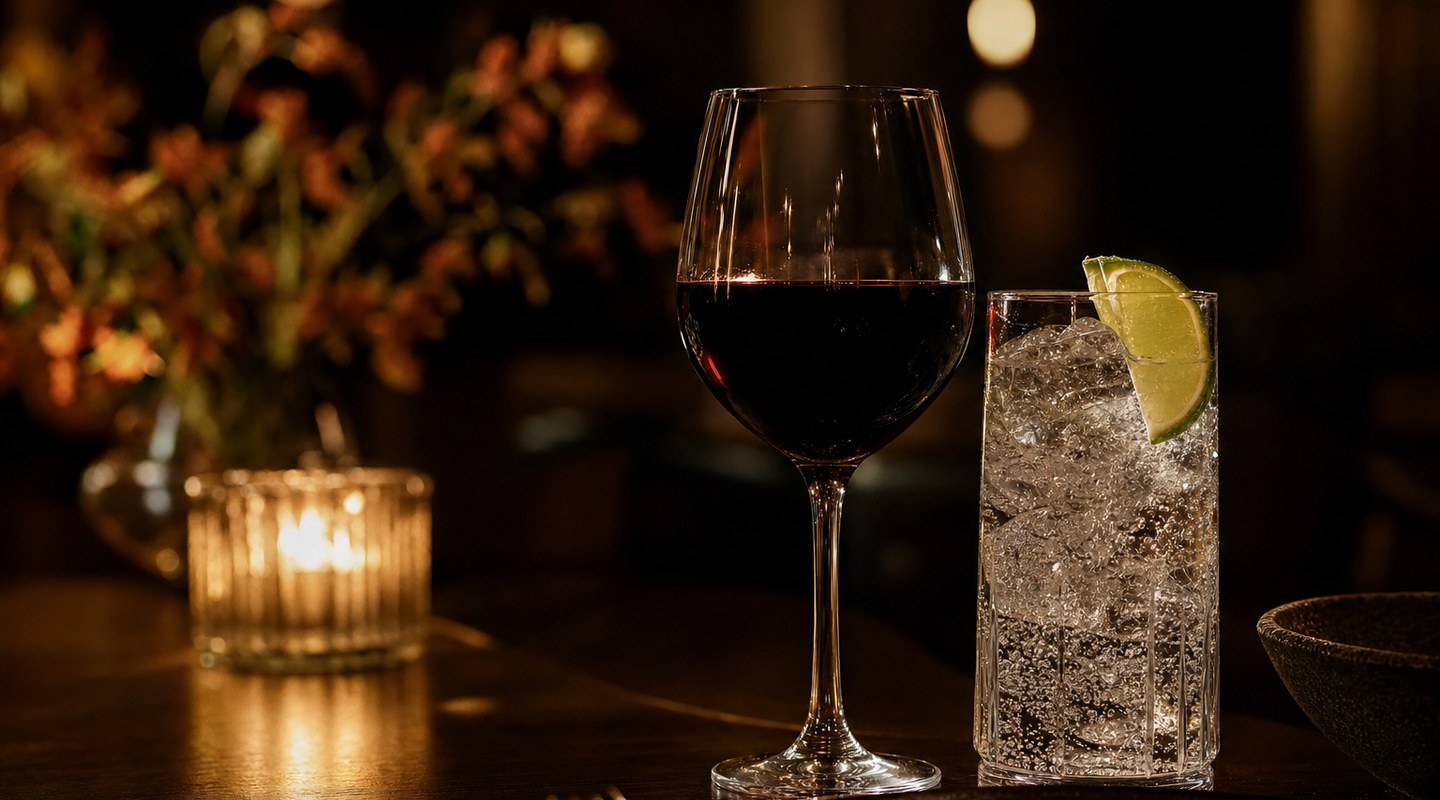
Dry red wine is the least inflammatory alcohol: in head-to-head trials at the same dose, red wine and sparkling wine lowered C-reactive protein and gin didn’t. Dry white wine and clear spirits with soda water come next; sugary cocktails and regular beer are the worst.
How much you drink matters more than which drink you pick.
Jump to a drink:
- Dry red wine
- Brut sparkling wine, dry white and dry cider
- Clear spirits: tequila, vodka and gin
- Light beer
- Dark spirits: whiskey, rum and brandy
- Regular and craft beer
- Sugary cocktails and mixed drinks
What is the least inflammatory alcohol?
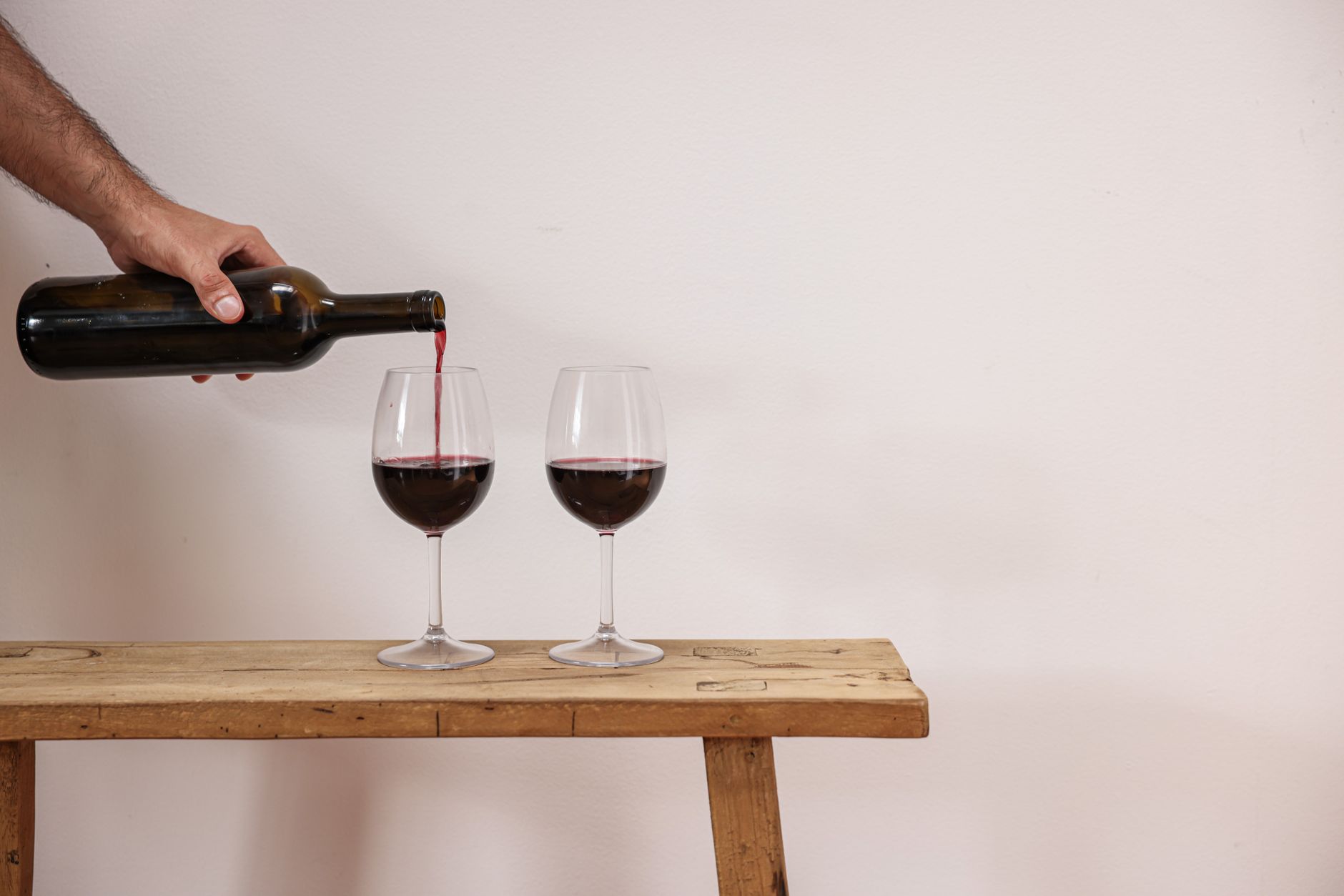
Dry red wine is the least inflammatory alcohol.
In one trial, healthy men drank the same amount of alcohol, about two drinks a day, as red wine or gin. Both drinks lowered some inflammation markers. But only the wine lowered C-reactive protein (CRP), by about a fifth, along with markers of artery inflammation.
CRP is the inflammation marker on a standard blood test.
A second trial swapped red wine for cava, a dry sparkling wine, and found the same pattern: CRP and IL-6, another inflammation marker, fell only on the cava. The likely reason is the polyphenols in wine, which gin doesn’t have.
Both trials were small, ran in healthy men and compared the drinks with each other, not with drinking nothing.
Alcoholic drinks ranked from least to most inflammatory
Dry red wine sits at the least inflammatory end and sugary cocktails at the most inflammatory. The order weighs what the trials show, the sugar in a typical serving, the gout link and how easy each drink is to overdo. At the same amount of alcohol, the gaps between drinks are small compared with the gap between one drink and three.
| Drink | Where it sits | Why | One standard drink |
|---|---|---|---|
| Dry red wine | Least inflammatory | Lowered CRP vs gin in a trial; no sugar | 5 oz |
| Brut sparkling wine, dry white, dry cider | Low | Sparkling wine lowered CRP vs gin; fewer polyphenols than red | 5 oz (cider: 12 oz, at about 5%) |
| Clear spirits (100% agave tequila, vodka, gin) | Low to middle | No sugar if mixed with soda water; gin didn’t lower CRP | 1.5 oz |
| Light beer | Middle | Less alcohol and carbs, but still beer for gout | 12 oz |
| Dark spirits (whiskey, rum, brandy) | Middle | More congeners, worse hangovers | 1.5 oz |
| Regular and craft beer | High | Strongest gout link; strong IPAs pack more alcohol per glass | 12 oz at 5% |
| Sugary cocktails and mixed drinks | Most inflammatory | Alcohol plus a soda’s worth of sugar | Often 2 or more per glass |
One standard drink in the US holds 14 grams of pure alcohol: 12 ounces of beer at 5%, 5 ounces of wine at 12% or 1.5 ounces of spirits at 40%.
1. Dry red wine
Red wine lowered CRP in the trial against gin. It has an inflammation score of 5 out of 10, where 1 is most anti-inflammatory and 10 is most inflammatory. Red wine is mildly anti-inflammatory at one glass with food and inflammatory beyond that.
Good pick if: you want one glass with dinner.
Skip it if: one glass usually turns into three, or you have gout.
2. Brut sparkling wine, dry white and dry cider
Brut cava has the trial behind it: CRP fell on the cava and not on the gin. Brut and dry on the label mean low sugar.
Champagne, dry white wine and dry cider have no trials of their own. They sit here because they carry little sugar, not because they’ve been shown to lower inflammation.
Good pick if: you want something lighter than red.
Skip it if: it’s a sweet style like moscato, demi-sec or sweet cider.
3. Clear spirits: tequila, vodka and gin
On their own, tequila, vodka and gin carry no sugar and few congeners, the compounds that fermentation and aging create. In the trial against red wine, gin lowered a couple of inflammation markers but not CRP.
The mixer decides the drink. Soda water and lime keep it sugar-free. Tonic, juice and regular soda add sugar.
Good pick if: you want zero sugar and can measure a 1.5-ounce pour.
Skip it if: you drink them as shots or in sweet mixers.
4. Light beer
A light beer has less alcohol and fewer carbs per can than regular beer, which helps keep the total down. But beer has the strongest link to gout of any drink, and light beer is still beer.
Good pick if: you want a long drink that’s lower in alcohol.
Skip it if: you have gout or high uric acid.
5. Dark spirits: whiskey, rum and brandy
Whiskey, rum and brandy carry the same alcohol as clear spirits but more congeners. In a trial comparing bourbon with vodka, the extra congeners made the hangover worse and changed nothing else the trial measured, sleep included.
That trial didn’t measure inflammation, so there’s no proof dark spirits are more inflammatory. They rank lower because they come with worse mornings and often arrive mixed with cola.
Good pick if: you sip one neat.
Skip it if: hangovers hit you hard, or it comes with cola.
6. Regular and craft beer
In a study that followed 47,150 men for 12 years, each daily beer went with a 49% higher risk of developing gout, more than spirits, while wine showed no link. A 12-ounce strong IPA at 7-9% alcohol counts as one and a half to nearly two standard drinks.
Good pick if: it’s a single regular beer with food.
Skip it if: you have gout, or you’re on your third.
7. Sugary cocktails and mixed drinks
Margaritas, piña coladas, rum and cola, frozen drinks and sweet premixed cocktails add the sugar of a soda on top of the alcohol. Many also hold more than one standard drink.
Soda has an inflammation score of 9 out of 10, where 10 is most inflammatory. A cocktail carries that same sugar, and the way sugar feeds inflammation doesn’t change with alcohol in the glass.
Good pick if: it’s a rare celebration and you stop at one.
Skip it if: you’re trying to bring your CRP down.
What is the worst alcohol for inflammation?
Sugary cocktails are the worst alcohol for inflammation, with regular beer close behind. But a binge of any drink matters as much as which drink it is.
In healthy adults, a single binge raised bacterial toxins from the gut in the blood within hours. The rise was bigger in women, and the immune response was disturbed too.
For your joints, beer is the drink to watch: it has the strongest link to developing gout of any drink type.
What the research says about alcohol and inflammation
Population studies have found that moderate drinkers have lower CRP than both non-drinkers and heavy drinkers, a U-shaped curve. A large workplace study found the same: stable moderate drinkers had lower CRP than non-drinkers, heavy drinkers and former drinkers.
But the curve has a flaw. In many studies, the “non-drinkers” include people who quit because they were already sick, which makes not drinking look worse than it is.
A review pooled 107 studies with 4.8 million people and corrected for that flaw. Light drinking no longer lowered the risk of dying compared with lifelong non-drinkers. The risk rose from about three drinks a day, and earlier for women.
The World Health Organization goes further: no level of alcohol is safe for health, because the cancer risk starts with the first drink.
The practical reading: the trials show which drink does less harm, not that drinking lowers inflammation. If you don’t drink, there’s no reason to start. Alcohol is one of several causes of inflammation, and a raised CRP can come from any of them.
How alcohol drives inflammation
Alcohol mainly inflames through the gut, the liver and sleep, and sugary mixers add another.
- The gut: alcohol loosens the gut lining and lets bacterial toxins into the blood.
- The liver: it has to clear the alcohol, and regular heavy drinking builds up fat in it, which keeps inflammation going.
- Sleep: in the bourbon and vodka trial, alcohol cut sleep efficiency and REM sleep. Poor sleep raises inflammation on its own.
- Sugar: mixers and sweet drinks add a sugar load on top of the alcohol itself.
Each of these routes scales with the amount, which is why the second and third drinks do more than the first. Alcohol also sits on the broader list of foods that cause inflammation.
Alcohol and joint inflammation: arthritis and gout
For joints, gout is where the drink matters most, and beer is the worst. Spirits had a smaller link to developing gout and wine no clear link.
But once someone has gout, any alcohol can trigger an attack. In people with gout, more than one to two drinks in 24 hours raised the risk of an attack by 36%. More than two to four drinks raised it by 51%, whether the drink was wine, beer or spirits.
So “wine is fine for gout” is only half true.
Rheumatoid arthritis and other autoimmune conditions bring a second issue: medication. Methotrexate, a common arthritis drug, can damage the liver, and heavy drinking raises that risk. Its US label asks patients to tell their doctor about any change in how much they drink.
If you have rheumatoid arthritis, wine also comes up in the Mediterranean diet for rheumatoid arthritis, along with how to fit it around methotrexate.
If your joints flare after drinking, that’s a reason to talk to your doctor.
How to drink with less inflammation
Keep it to one standard drink, pick a dry or unsweetened option and have it with food.
- Know the pour: a 10-ounce pour of wine counts as two standard drinks, and a pint of strong beer nearly as much. The current Dietary Guidelines for Americans simply say to drink less for better health: they no longer give a number of drinks.
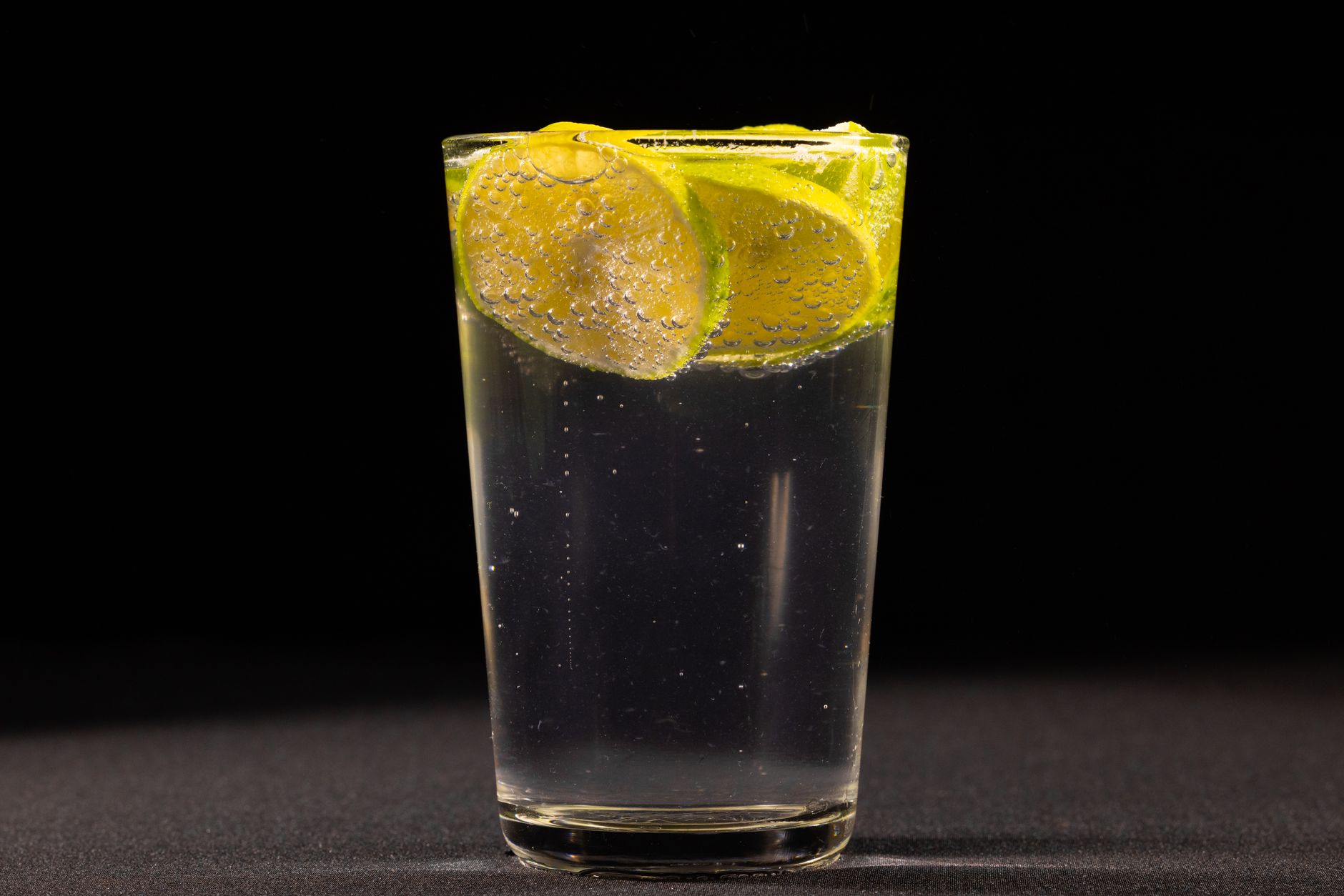
- Swap the mixer: soda water, fresh lime or a splash of kombucha instead of tonic, juice or soda. Kombucha has a low inflammation score of 3 out of 10.
- Eat first: have the drink with a meal.
- Alternate with water: a glass of water between drinks keeps the total down.
- Stop well before bed: it protects your sleep.
- Plan alcohol-free days: the guide to anti-inflammatory drinks covers what to pour instead.
Drinking less works best inside a broader anti-inflammatory diet, alongside the other ways to reduce inflammation.
When to skip alcohol altogether
Skip it during a flare, with gout attacks, with liver disease, during pregnancy and with medications that interact with alcohol.
- During a flare of arthritis, inflammatory bowel disease or another inflammatory condition.
- If you have gout and attacks keep coming.
- If you’re pregnant, recovering from alcohol use disorder or unable to control how much you drink: the Dietary Guidelines say to avoid it completely.
- If you take medications or have a condition that interacts with alcohol, liver disease included.
- During the elimination phase of the autoimmune protocol, which removes alcohol along with other triggers.
Frequently asked questions
Is tequila the healthiest alcohol?
No study shows that tequila is the healthiest alcohol. Like vodka or gin, 100% agave tequila has no sugar and few congeners, but no trial has found it lowers inflammation. The drink with the best evidence is dry red wine, which lowered CRP head to head against gin.
Does wine cause inflammation in the joints?
One glass of dry red wine is the least likely drink to inflame your joints. Wine wasn’t linked to developing gout in a large study of men, though it can still trigger attacks in people who already have gout. If your joints flare after drinking, mention it to your doctor.
How do I get rid of inflammation from alcohol?
Stop drinking for a few days, drink plenty of water, eat whole foods and sleep. There’s no detox drink or pill that speeds it up.
A puffy face or achy joints after a night out usually settle within days. If symptoms linger, check with a doctor: they can be a sign of chronic inflammation.
What is the best alcohol for gut health?
None is good for your gut: a single binge was enough to let bacterial toxins cross from the gut into the blood. If you drink, one glass of dry red wine with food is the least inflammatory choice. On alcohol-free days, kombucha is a swap that fits an anti-inflammatory diet.
Is beer inflammatory?
For your joints, beer is the riskiest drink type: it has the strongest link to gout of wine, beer and spirits. A single light beer with food is a middle-of-the-road choice. Regular and strong craft beers, several in a row, are among the worst drinks for inflammation.