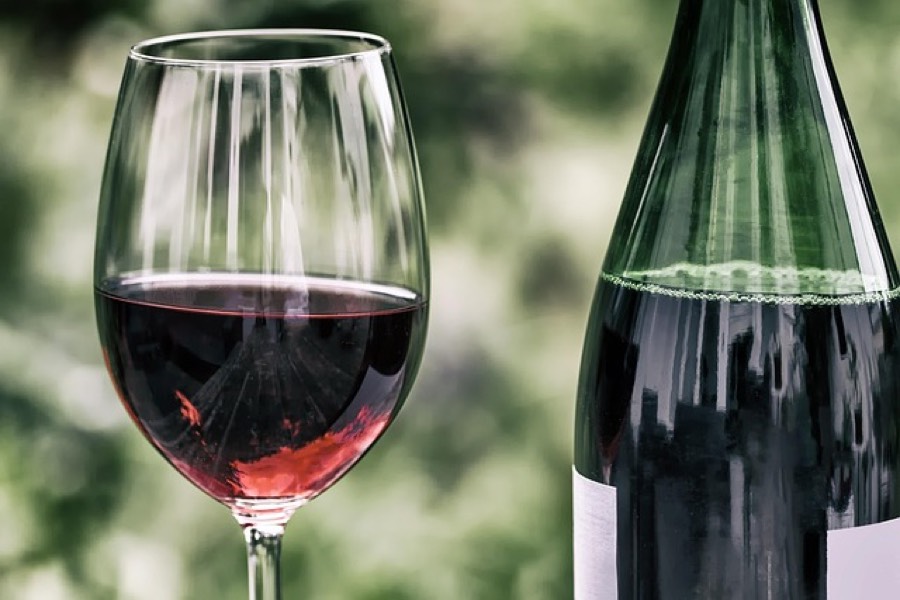
A glass of red wine next to an open bottle on a table outdoors

Red Wine

ModerateBeverages
Medium
Inflammation Score
5/10
Anti-inflammatoryInflammatory
Serving size
1 glass (150 ml)
Key nutrients
ResveratrolAnthocyaninsTanninsAlcohol
How often
A glass with dinner, a few evenings a week at most

Where red wine sits on the inflammation scale

Red wine is mildly anti-inflammatory in small amounts, and inflammatory in anything more than that. Very few things on the inflammation scale pull both ways at once, and red wine does. The helpful half comes from the grape skins. Red wine ferments with them for weeks, so it keeps the dark pigments and tannins that white wine leaves behind in the press. Those compounds help keep blood vessels relaxed and artery walls calmer.

The other half is the alcohol, and the body treats it as something to clear out rather than something to use. Clearing it irritates the lining of the gut on the way through. More bacterial debris slips into the blood, and the immune system has to answer it. At one small glass with food, that job is trivial. At three, it is not, and the inflammation markers that show up in a blood test start moving the wrong way. Same drink, opposite result, and only the amount changed.

Red wine scores 5 out of 10 on the inflammation scale, and the middle is the honest place for it, because that turning point comes early. The grape part does count for something on its own: pour the same alcohol as a spirit instead, and the extra benefit is not there. But the helpful amount is roughly one glass, and most people who drink most evenings are past it without noticing. Some of the reputation is borrowed, too. Wine gets drunk at a table, with food, in countries that eat well, and the table deserves part of the credit.

So a glass with dinner a few nights a week fits inside an anti-inflammatory diet. A bottle across a weekend does not, whatever the grapes brought with them. And if you do not drink, nothing here is worth starting for.

Red Wine on the AIP diet

Red wine is not allowed on the Autoimmune Protocol. AIP takes out all alcohol during the elimination phase, because it irritates the same gut lining the protocol is trying to settle. Wine also carries sulfites and traces of the agents used to clear the bottle. Alcohol is one of the last things reintroduced, and when it comes back it is usually a small glass of dry red on an occasion, not a nightly habit.

Benefits

  • Fermented with the grape skins, so it keeps plant compounds white wine never gets
  • Those compounds help keep blood vessels relaxed and artery walls calmer
  • A dry red carries almost no sugar, unlike most other drinks poured in the evening
  • One glass with a meal fits the Mediterranean way of eating, the most studied anti-inflammatory diet there is

Watch out for

  • It is alcohol, and no amount of resveratrol cancels that part out
  • Past a glass the benefit disappears and the inflammation goes the other way
  • Alcohol irritates the gut wall, which matters with an autoimmune condition
  • It breaks up sleep even when it helps you fall asleep, and poor sleep raises inflammation

Get the inflammation score of any meal

Just snap a photo or describe your food to get its inflammation score and uncover hidden patterns that may be affecting your well-being.

Download on the App StoreGet it on Google Play
InflammaScan app

Frequently asked

Is red wine anti-inflammatory?

In small amounts, yes. The grape skins leave behind plant compounds that help keep blood vessels relaxed, and a spirit with the same alcohol in it does not do the same thing. Past about one glass the alcohol takes over and the effect reverses, so the amount decides which way it goes.

Is red wine bad for joint pain?

It can be. Alcohol irritates the gut lining, and in autoimmune conditions that irritation often shows up as joint pain a day or two later. If your joints flare, take wine out completely for three weeks and then bring back a single glass. Your own reaction answers this faster than any general rule.

How much red wine can I drink on an anti-inflammatory diet?

Around one glass, and not every day. That is the amount where the plant compounds still count for more than the alcohol. Saving up the week's glasses for a Saturday night does not work: the body reads that as a large dose, not as an average.

Is red wine better than beer or spirits?

For inflammation, yes, but only slightly and only at the same alcohol. Red wine brings the grape compounds that beer and spirits have nothing like. The alcohol underneath is identical, so a large glass of wine is not better than a small beer.

The easiest way to follow an anti-inflammatory diet.

Identify inflammatory foods in seconds, log your symptoms and discover what’s inflaming you. Includes hundreds of recipes.

Download on the App StoreGet it on Google Play
InflammaScan app



