Ginger
Why ginger is anti-inflammatory
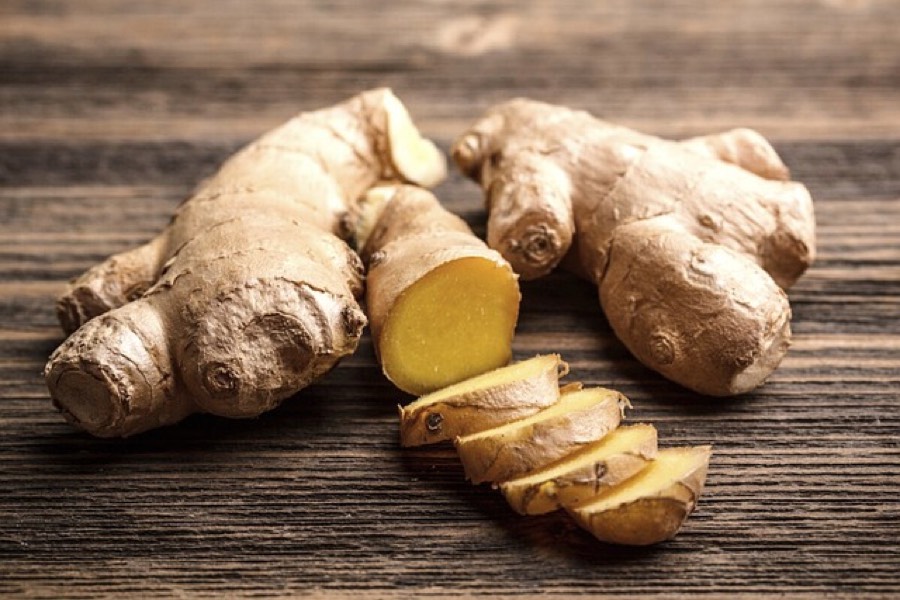
Ginger is anti-inflammatory, and it is one of the few kitchen spices where the reputation and the biology point the same way. The compounds behind that are the gingerols that give the fresh root its heat.
Most of the trials used ginger supplements rather than the root itself. Adults who took them ended with lower inflammation markers in their blood and stronger defences against cell damage. The trials agreed with each other more than they usually do for a spice.
The compounds change when the root does. Fresh ginger is mostly gingerol, and drying or cooking turns much of it into shogaol, a close relative that tastes sharper and is also among the compounds studied here. So the fresh root, the dried powder and a mug of ginger tea are not the same food, and none of them is a waste.
Ginger is sold everywhere for joint pain, and that is where its evidence is thinnest. In the knee osteoarthritis trials, capsules brought a small reduction in pain and no clear change in how well the knee worked. Whatever ginger does to inflammation over weeks, it does not work like a painkiller taken this afternoon.
One to three grams a day is what the research uses, about a thumb-sized piece of fresh root or half a teaspoon of powder. Larger amounts tend to bring heartburn instead of results, and ginger may add to the effect of blood-thinning medication, so ask your doctor if you take one.

Ginger on the AIP diet
Ginger is allowed on the Autoimmune Protocol from day one and stays through every phase. It is a rhizome rather than a seed, so it escapes the cull that removes cumin, coriander and mustard, and it ends up doing a lot of heavy lifting once pepper and chilli are off the table. It is also the flavour most AIP cooks reach for when nausea or sluggish digestion flares up.
Benefits
- Lowers the signs of inflammation that show up in a routine blood test
- Strengthens the body's own defences against cell damage
- Calms nausea, which is its best-established use of all
- Speeds up stomach emptying, which eases bloating and heaviness after meals
Watch out for
- Large amounts can bring heartburn or a burning stomach
- It may add to the effect of blood-thinning medication, so ask your doctor first
- Concentrated extracts are far stronger than the root, and that is where side effects turn up
- The joint pain claim it is sold on is the weakest part of the evidence
Frequently asked
Is ginger inflammatory?
No, ginger is anti-inflammatory. In trials it lowered the signs of inflammation a doctor measures in a blood test, and the change was clearest in people whose levels were already high.
Is fresh ginger better than ground ginger?
They are not the same thing. Drying turns much of the gingerol into shogaol, a close relative that is sharper and still active. Fresh gives you the strongest hit of the original compound, dried is easier to keep in the cupboard, and both are worth using.
How much ginger do you need?
Most of the research uses one to three grams a day, roughly a thumb-sized piece of fresh root or half a teaspoon of powder. Pushing well past that buys you heartburn rather than results.
Does ginger help with joint pain?
Less than its reputation suggests. When researchers gathered the knee osteoarthritis trials, there were too few and they were run too loosely to say ginger beats a placebo. What ginger does in the blood is far better documented than what it does to how a joint feels.
Anti-inflammatory recipes with Ginger

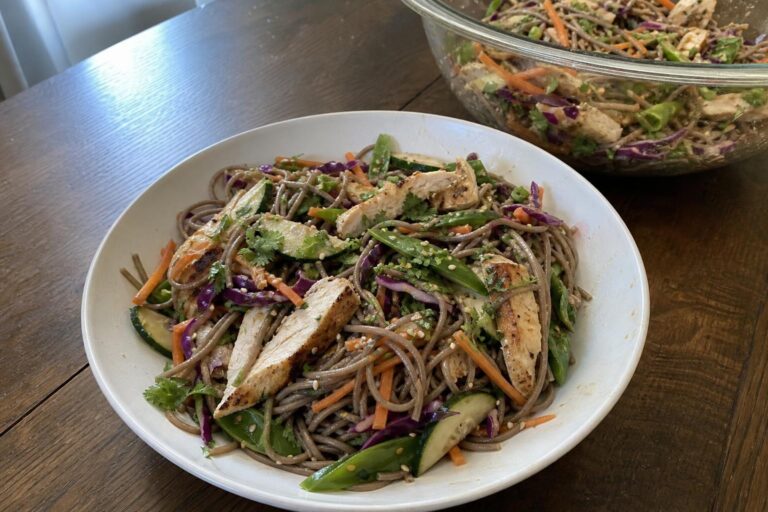
Chicken and Vegetable Soba Noodle Salad Recipe

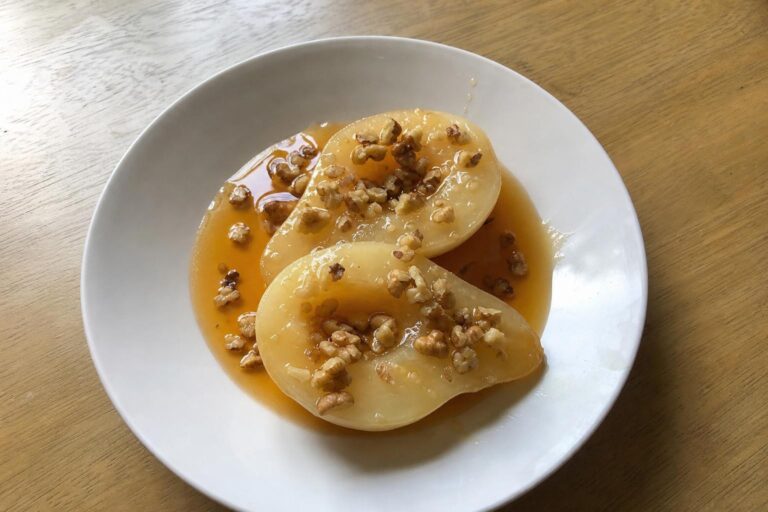
Poached Pears with Ginger and Orange Recipe

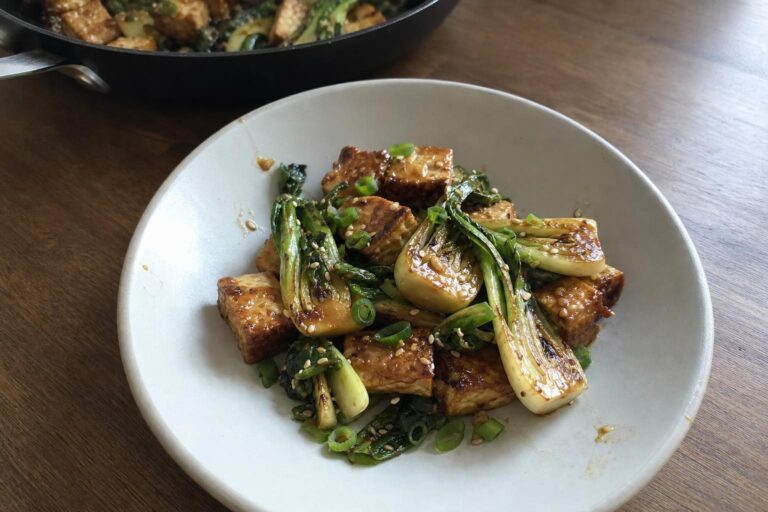
Ginger Sesame Tofu with Bok Choy Recipe

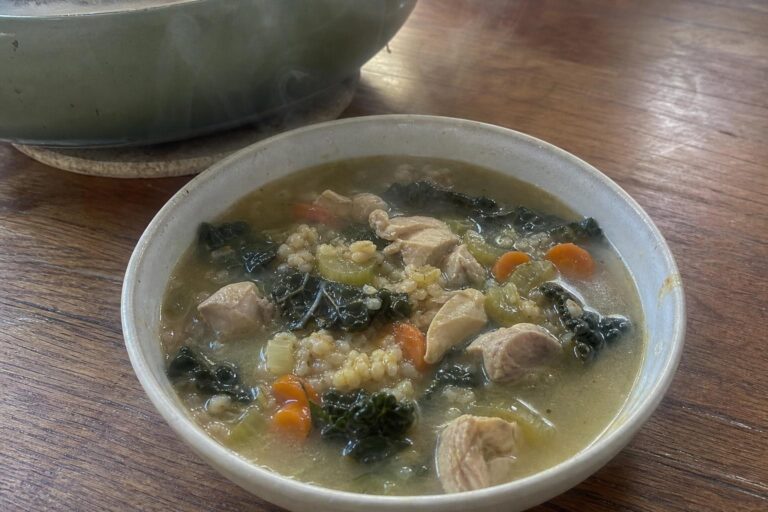
Chicken, Brown Rice, and Kale Soup Recipe

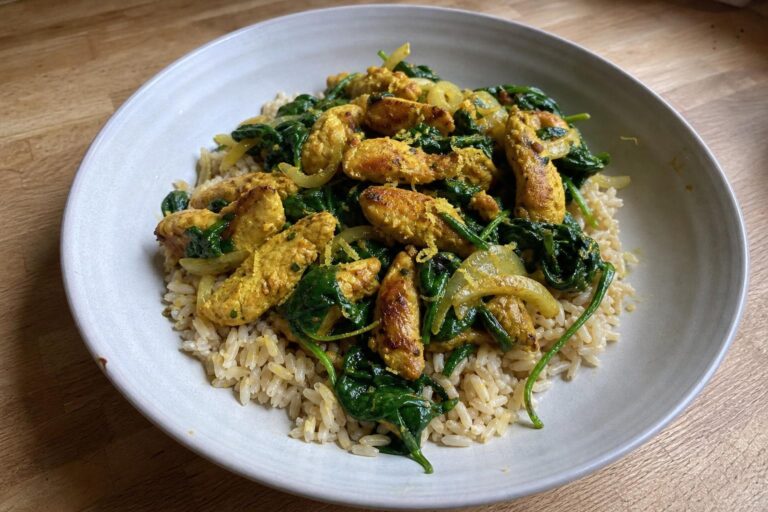
Turmeric Chicken with Brown Rice and Spinach Recipe