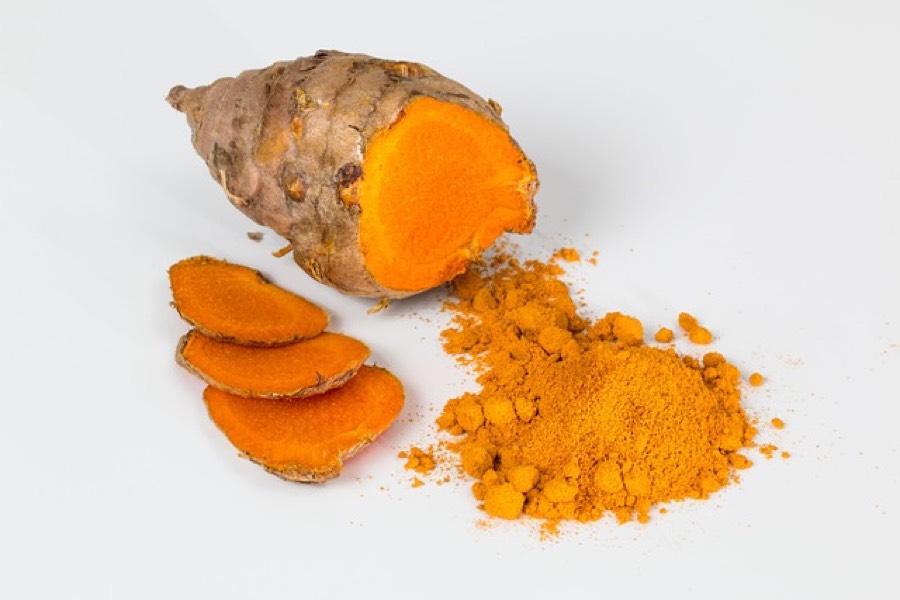
Fresh turmeric root and ground turmeric powder

Turmeric

Anti-InflammatorySpices & Herbs
Low
Inflammation Score
1/10
Anti-inflammatoryInflammatory
Serving size
1 tsp (3 g) ground
Key nutrients
CurcuminManganeseIronVitamin B6
How often
Daily, with black pepper

Why turmeric is anti-inflammatory

Turmeric is anti-inflammatory because of curcumin, the compound that gives the spice its yellow colour. The spice itself is an underground stem, boiled, dried and ground, and curcumin makes up only a few percent of the powder.

Nearly all the trials gave people curcumin capsules rather than the spice. Adults who took them ended with lower levels of the inflammation markers that show up in a blood test. The doses were far above what a teaspoon of turmeric provides, so cooking with the spice has not been shown to do the same thing.

Curcumin is also hard for the body to absorb. Most of what you swallow is broken down and cleared before it reaches your blood, which is one reason the powder does less than the capsule. Black pepper slows that clearing, and a little fat helps as well, so more of the curcumin gets through.

Ground turmeric is not always only turmeric. Some batches have been found mixed with lead chromate, a yellow dye used to brighten the colour, so buy from a shop or brand you trust.

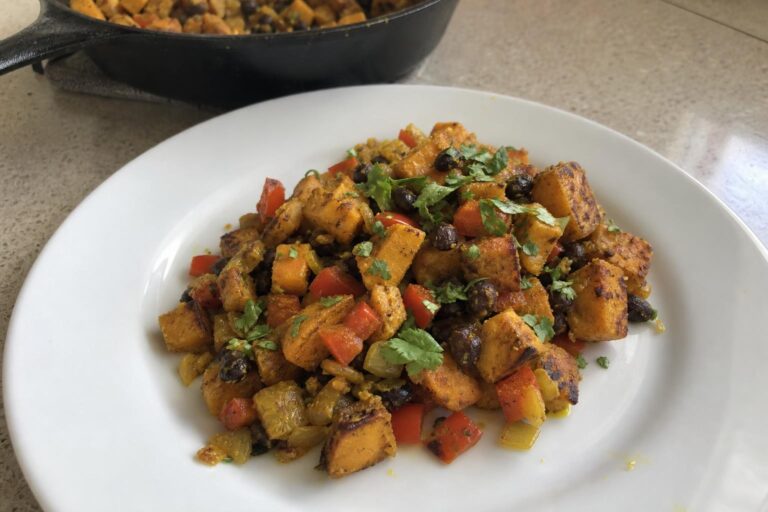
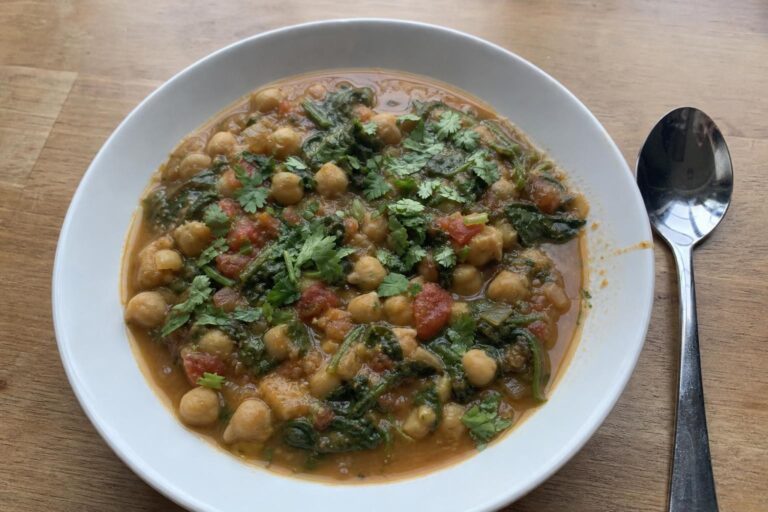
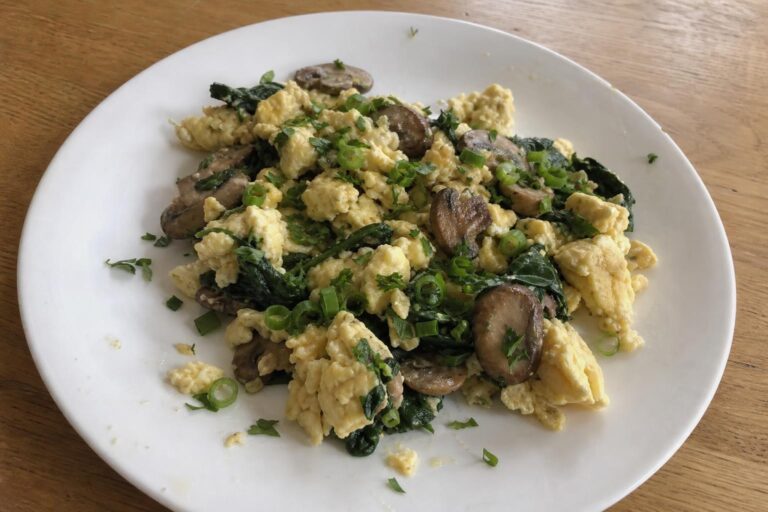
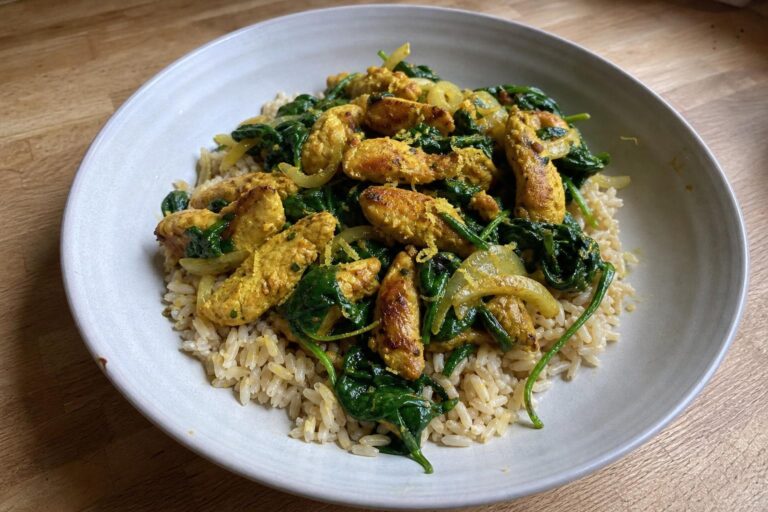
Turmeric works best in dishes that already contain fat and pepper, such as a curry, scrambled eggs or milk warmed with a teaspoon stirred in. High-dose supplements are a different matter and can interact with blood thinners, so check with your doctor before taking one.

Turmeric on the AIP diet

Turmeric is allowed on the Autoimmune Protocol in every phase. It comes from a rhizome, not a seed, which is the line AIP draws when it eliminates seed-based spices like cumin and coriander.

Benefits

  • Lowers CRP, TNF-α and IL-6 in pooled trial data
  • Raises total antioxidant capacity and superoxide dismutase activity
  • Studied specifically for joint pain in rheumatoid arthritis
  • Allowed in every phase of the AIP protocol

Watch out for

  • Curcumin is poorly absorbed on its own, pair it with black pepper and a little fat
  • High-dose supplements can interact with blood thinners
  • Some ground turmeric has been found adulterated with lead chromate; buy from a source you trust

Get the inflammation score of any meal

Just snap a photo or describe your food to get its inflammation score and uncover hidden patterns that may be affecting your well-being.

Download on the App StoreGet it on Google Play
InflammaScan app

Frequently asked

Is turmeric inflammatory?

No. Turmeric is one of the most reliably anti-inflammatory foods there is: pooled data from 66 trials show it lowers CRP, TNF-α and interleukin-6.

Do I need a supplement or is cooking with it enough?

Cooking with it helps, but the trial doses are higher than what you get from seasoning food. If you are treating a specific problem, a supplement standardised for curcumin is what the studies used.

Why add black pepper?

Curcumin is cleared from the body quickly. The piperine in black pepper slows that down and raises how much reaches your bloodstream.

Is turmeric allowed on the AIP diet?

Yes, in every phase. AIP eliminates seed-based spices, and turmeric is a rhizome, so it stays.

The easiest way to follow an anti-inflammatory diet.

Identify inflammatory foods in seconds, log your symptoms and discover what’s inflaming you. Includes hundreds of recipes.

Download on the App StoreGet it on Google Play
InflammaScan app