Avocado Oil vs Coconut Oil: Which Is Less Inflammatory?
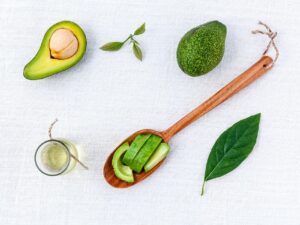
Avocado Oil
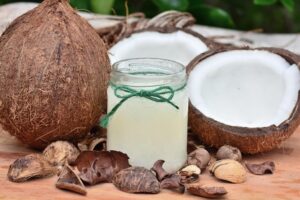
Coconut Oil
Avocado oil is less inflammatory than coconut oil. Both hold up to high heat, so the swap costs you nothing at the stove.
The difference is the fat itself. About seven tenths of avocado oil is oleic acid, the same monounsaturated fat that made olive oil famous, while coconut oil is roughly 85% saturated. There is one catch worth knowing before you buy: no law protects the name avocado oil, and in one round of testing only about four bottles in ten held what the label promised. Pick a brand with a good reputation and make it your searing and roasting oil.
Side by side
| Avocado Oil | Coconut Oil | |
|---|---|---|
| Inflammation Score | Low · 2/10 | Medium · 5/10 |
| Category | Oils & Fats | Oils & Fats |
| Serving size | 1 tbsp (14 g) | 1 tbsp (14 g) virgin |
| Key nutrients | Oleic acid, Vitamin E, Lutein, Beta-sitosterol | Lauric acid, Medium-chain triglycerides (MCTs), Saturated fat (~85%), Polyphenols (virgin only) |
| How often | Daily, 1-2 tbsp, mostly for cooking | — |
On the AIP diet
Avocado Oil
Avocado oil is allowed on the Autoimmune Protocol in every phase, elimination included. AIP takes out the oils pressed from seeds, and this one comes from the flesh of a fruit, so there is nothing in it to remove. Its job in an AIP kitchen is heat: it handles the roasting and searing that a good olive oil is wasted on, and it brings no flavour of its own to the dish.
Coconut Oil
Coconut oil is allowed during the elimination phase of AIP, and it is one of the fats the protocol leans on hardest. Nothing in it comes from dairy, grains, nuts, seeds or nightshades, so there is nothing to remove. It is the usual stand-in for butter in AIP baking. Keep it as one fat among several rather than the only one in the cupboard, and choose virgin if you can.
What each one brings
Avocado Oil
- About seven tenths of it is oleic acid, a monounsaturated fat that sits low on the scale
- Highest smoke point of any common oil, so it survives searing and roasting
- Pressed from fruit rather than seed, so it fits AIP and other strict diets
- Almost no taste of its own, so it works where olive oil would clash
Coconut Oil
- Very stable in a hot pan, so it does not break down the way delicate oils do
- Its main fat is burned for quick energy rather than stored
- No dairy, gluten, nuts or nightshades, so it fits the most restrictive diets
- Virgin versions keep a small share of the coconut's own plant compounds
Watch out for
Avocado Oil
- No legal standard behind the name, so bottles vary wildly in what they hold
- In testing, only about four in ten held the oil the label promised
- Lacks the peppery compounds that put olive oil a point lower on the scale
- Around 120 calories a tablespoon, and easy to pour more than you meant to
Coconut Oil
- Around 85% saturated fat, more than butter and more than lard
- Used in place of olive oil, it moves your blood cholesterol the wrong way
- Refined coconut oil is bleached and deodorised, which strips the plant compounds out
- Easy to overdo once you treat it as a supplement instead of a cooking fat
Get the inflammation score of any meal
Just snap a photo or describe your food to get its inflammation score and uncover hidden patterns that may be affecting your well-being.