Coconut Oil vs Olive Oil: Which Is Less Inflammatory?
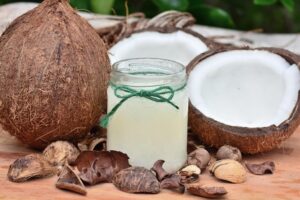
Coconut Oil
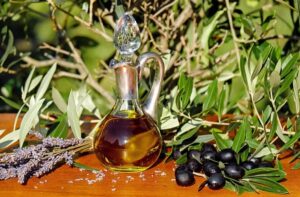
Olive Oil
Olive oil is less inflammatory than coconut oil, and the gap between them is wide. Both go in a hot pan, so swapping one for the other changes nothing about the way you cook.
Olive oil carries oleocanthal, the compound behind its peppery bite, and that compound blocks some of the same enzymes as ibuprofen. Coconut oil has none of it and is roughly 85% saturated fat, more than butter and more than lard. If coconut oil is your everyday cooking fat, move it to the baking shelf and buy a bottle of extra virgin olive oil instead. Store it in a dark cupboard, because heat and light break down the compounds you paid for.
Side by side
| Coconut Oil | Olive Oil | |
|---|---|---|
| Inflammation Score | Medium · 5/10 | Low · 1/10 |
| Category | Oils & Fats | Oils & Fats |
| Serving size | 1 tbsp (14 g) virgin | 1 tbsp (14 g) extra virgin |
| Key nutrients | Lauric acid, Medium-chain triglycerides (MCTs), Saturated fat (~85%), Polyphenols (virgin only) | Oleocanthal, Hydroxytyrosol, Oleic acid, Vitamin E |
| How often | — | Daily, 1-2 tbsp, most of it raw |
On the AIP diet
Coconut Oil
Coconut oil is allowed during the elimination phase of AIP, and it is one of the fats the protocol leans on hardest. Nothing in it comes from dairy, grains, nuts, seeds or nightshades, so there is nothing to remove. It is the usual stand-in for butter in AIP baking. Keep it as one fat among several rather than the only one in the cupboard, and choose virgin if you can.
Olive Oil
Olive oil is allowed on the Autoimmune Protocol in every phase, elimination included. It comes from a fruit rather than a seed, which is exactly why it survives the cull that removes sunflower, sesame, canola and the other seed oils. In practice it becomes the default fat of an AIP kitchen alongside coconut oil and avocado oil, so it is worth spending a little more on a bottle you actually enjoy.
What each one brings
Coconut Oil
- Very stable in a hot pan, so it does not break down the way delicate oils do
- Its main fat is burned for quick energy rather than stored
- No dairy, gluten, nuts or nightshades, so it fits the most restrictive diets
- Virgin versions keep a small share of the coconut's own plant compounds
Olive Oil
- Contains oleocanthal, behind the peppery sting, which blocks the same enzymes as ibuprofen
- Improved insulin levels and how well the body handles blood sugar in pooled trials
- Rich in oleic acid and vitamin E, and stands up to a hot pan better than most oils
- Takes the place of butter and refined seed oils, so every spoonful replaces something worse
Watch out for
Coconut Oil
- Around 85% saturated fat, more than butter and more than lard
- Used in place of olive oil, it moves your blood cholesterol the wrong way
- Refined coconut oil is bleached and deodorised, which strips the plant compounds out
- Easy to overdo once you treat it as a supplement instead of a cooking fat
Olive Oil
- In trials on mostly healthy adults, the inflammation markers did not change much
- Light, pure and refined olive oil have had the protective compounds stripped out
- Calorie dense at roughly 120 calories a tablespoon, so it adds up faster than people expect
- Heat, light and time destroy the phenols, so a clear bottle by the hob is the worst place
Get the inflammation score of any meal
Just snap a photo or describe your food to get its inflammation score and uncover hidden patterns that may be affecting your well-being.