You take your levothyroxine every morning. You wait before breakfast. You do everything your doctor told you to do.
And you’re still tired.
Your joints ache, your weight won’t move and your brain feels foggy by afternoon.
Someone in your Hashimoto’s group mentioned the AIP diet. Maybe it helped them. But you don’t know if it makes sense for your thyroid, whether it clashes with your medication or what to watch in your blood work.
The AIP diet for Hashimoto’s can help you find the foods that worsen your symptoms. Here’s when it makes sense, what to sort out before day one and how to tell whether it’s working for you.
Why the AIP diet is used for Hashimoto’s thyroiditis
The AIP diet for Hashimoto’s thyroiditis is a temporary elimination diet used to find the foods that worsen symptoms like fatigue, bloating or joint pain. It doesn’t replace levothyroxine, and it isn’t a cure: it works alongside your medical treatment.
Hashimoto’s thyroiditis is an autoimmune condition. Your immune system makes antibodies that attack the thyroid. Over time, the gland can stop producing enough thyroid hormone. That condition is called hypothyroidism.
The AIP diet removes foods that may irritate the gut or activate the immune system. That includes:
- Grains
- Legumes
- Dairy
- Eggs
- Nuts
- Seeds
- Nightshades
- Coffee
- Alcohol
- Refined sugar
You can see the full breakdown in the AIP food list.
Gluten and dairy deserve special attention with Hashimoto’s:
- Gluten. A meta-analysis of more than 6,000 people with autoimmune thyroid disease found biopsy-confirmed celiac disease in about 1 in 62 patients. The authors argue these patients should be screened for celiac disease. That’s why celiac testing matters when you have Hashimoto’s.
- Dairy. One study found lactose intolerance in more than three quarters of Hashimoto’s patients taking levothyroxine. That’s why dairy is the second food to watch with Hashimoto’s.
What the AIP diet can and can’t do for Hashimoto’s
Small studies of the AIP diet in Hashimoto’s found that quality of life and symptoms improved, while thyroid hormone levels and thyroid antibodies didn’t. The full numbers and study details are summarized in the AIP diet guide.
What the AIP diet doesn’t do matters just as much:
- It doesn’t cure Hashimoto’s. The autoimmune process continues.
- It doesn’t replace levothyroxine. Your thyroid still needs the hormone it can’t make.
- There’s no evidence it lowers thyroid antibodies. The AIP studies didn’t see that happen.
There’s also early evidence on gluten alone. In a small pilot study of women with Hashimoto’s who weren’t taking thyroid treatment and had positive celiac antibodies (anti-transglutaminase), a gluten-free diet lowered their thyroid antibodies, while the women who made no dietary changes stayed the same.
Keep the limits of that study in mind. It was a small pilot, and every participant had those antibodies and no thyroid treatment. It doesn’t tell you what a gluten-free diet does for someone with Hashimoto’s and no celiac markers.
What it does show is that gluten is the suspect with the most evidence behind it in Hashimoto’s. That’s why celiac testing comes first.
Before you start AIP with Hashimoto’s
Starting the AIP diet with Hashimoto’s works best when you have celiac testing, a thyroid lab review and a plan made with your doctor settled first.
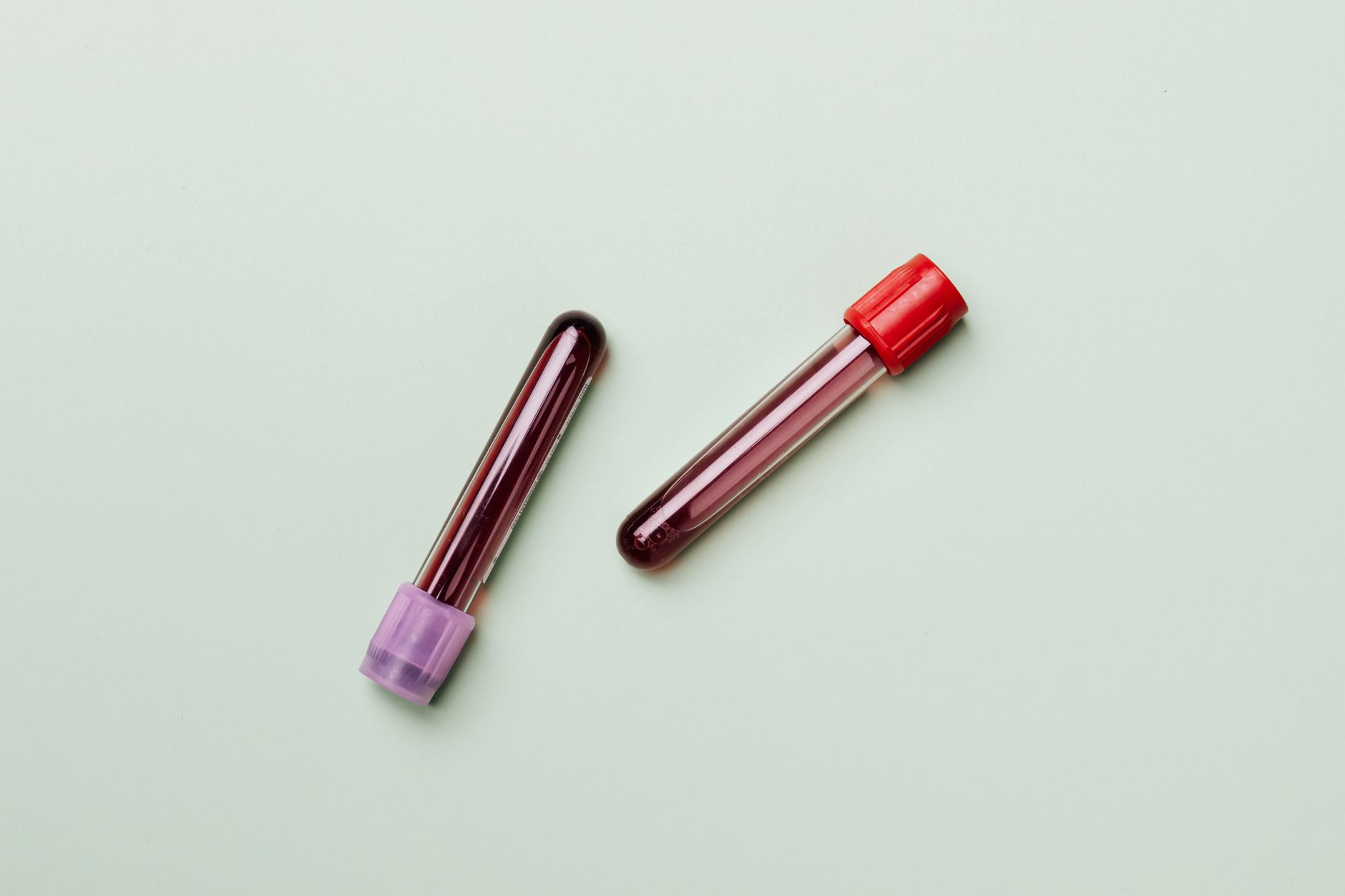
Get tested for celiac disease while you still eat gluten
This one has a deadline. Celiac disease is diagnosed with blood tests and a biopsy of the small intestine. Doctors don’t recommend going gluten-free before the tests, because a gluten-free diet can change the results.
If you start the AIP diet first, the test loses reliability. Going back to eating gluten just to get tested is hard. Test while the choice is still open.
Check your thyroid labs and your dose first
Fatigue, brain fog and stubborn weight are also symptoms of hypothyroidism that isn’t well controlled. If your thyroid-stimulating hormone (TSH) isn’t in range, that’s something your doctor should review before any dietary change.
Ask for a TSH test (and whatever else your doctor checks) before you start. It gives you a baseline. It also tells you whether your dose needs adjusting first.
The American Thyroid Association’s guidance on hypothyroidism treatment notes that when someone needs a much higher levothyroxine dose than expected, digestive disorders such as celiac disease are among the causes to consider. If those get treated, thyroid function and the dose get reviewed again.
Plan it with your doctor or a registered dietitian
The elimination phase cuts out whole food groups for weeks at a time. With Hashimoto’s, medication timing and blood work are part of the picture.
That makes this a diet to plan with medical support, not to run solo. A doctor or registered dietitian can tell you which labs to monitor and when. They can also flag anything in your history that makes a strict elimination diet a bad idea.
Before day one, have this sorted:
- Celiac test done (or scheduled) while you still eat gluten
- Baseline TSH and a conversation about your current dose
- Doctor or dietitian aware of your plan and your follow-up dates
- Meals ready for the first weeks, with the help of a 30-day AIP meal plan
Taking levothyroxine on the AIP diet
The AIP diet changes things that affect how you absorb levothyroxine: you give up coffee, and you change your dairy and fiber intake. Your TSH can move even if your dose doesn’t.
- Coffee. Research studied women whose TSH stayed high while they took their pill with coffee, plus healthy volunteers. Taking levothyroxine with coffee cut its absorption by 36% in the patients and 27% in the volunteers compared with water. Taking the pill with water and waiting 60 minutes before coffee caused no problem. If you took your pill with coffee, quitting coffee on AIP can improve absorption.
- Dairy. In the same study of Hashimoto’s patients taking levothyroxine, lactose restriction lowered TSH in the patients with lactose intolerance. TSH didn’t change in those without it. The authors’ conclusion: lactose intolerance may be behind an unexplained need for higher doses or irregular TSH.
- Fiber. The American Thyroid Association’s guidance notes cases where high fiber intake was linked to poorer levothyroxine absorption. The AIP diet tends to raise your vegetable intake, and with it your fiber.
Here’s what to do about it:
- Take your pill the same way every day, 60 minutes before breakfast or at bedtime (at least 3 hours after dinner).
- Don’t change your dose on your own, no matter how you feel.
- Ask your doctor whether to check TSH 4 to 6 weeks after starting the AIP diet. That’s the window the American Thyroid Association gives for rechecking TSH after a dose change.
Iodine and selenium on the AIP diet
The AIP diet removes dairy and eggs, two common sources of iodine, while keeping seaweed, which can deliver far too much. With Hashimoto’s, both directions deserve attention.
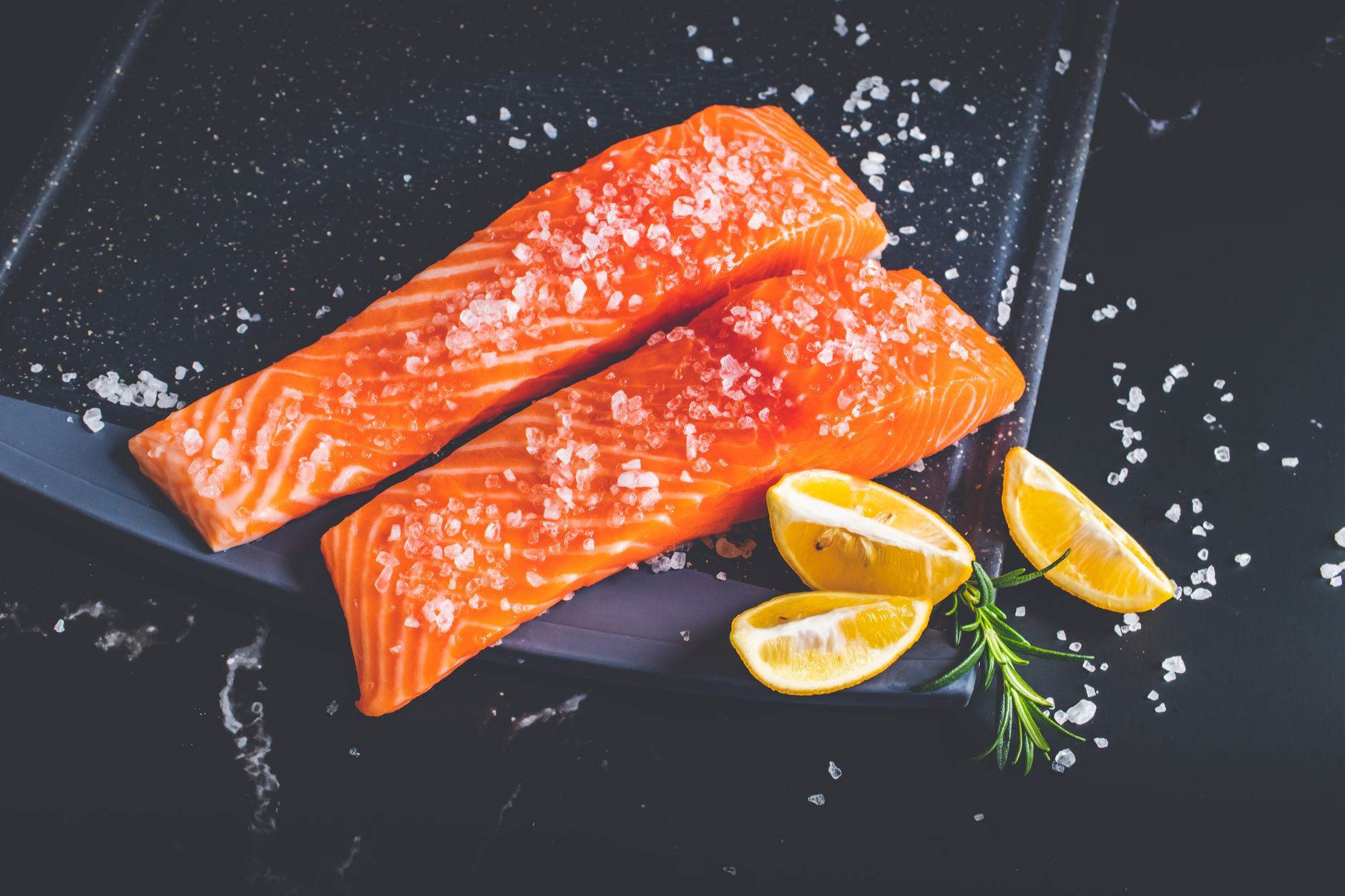
Iodine: both ends of the range
Your thyroid needs iodine to make hormone, and dropping dairy and eggs cuts a main source of it. Salt is allowed on AIP. But sea salt, kosher salt and Himalayan salt usually aren’t iodized, according to the National Institutes of Health (NIH) Office of Dietary Supplements. People who eat little dairy, seafood and eggs can fall short on iodine.
Seaweed works the other way. Nori, wakame and dulse are all allowed on AIP. Their iodine content varies wildly: the NIH reports a range of 16 to 2,984 micrograms (mcg) per gram depending on the species. In autoimmune thyroid disease, iodine amounts considered safe for most people can trigger problems. What matters on AIP is knowing which seaweed you’re eating and how much. The seaweed food profile explains which types you can eat regularly and which to keep for occasional use.
Too much iodine can inflame the thyroid. With Hashimoto’s, your thyroid is already under attack.
Selenium: stick to food sources
Selenium is concentrated in Brazil nuts, seafood, meat, poultry and organ meats. The nuts are off the table during elimination, since AIP removes all nuts. Fish, seafood, meat and organs stay in, and they’re among the best sources.
Supplements are murkier. Some trials in autoimmune thyroiditis found selenium supplements lowered certain antibodies, but others found no effect on thyroid function or quality of life. The American Thyroid Association advises against selenium supplements in pregnant women with thyroid autoimmunity. Given the mixed results and the risk of getting too much, leave selenium supplements to a conversation with your doctor.
| Nutrient | Sources the AIP diet removes | Sources the AIP diet keeps | What to watch |
|---|---|---|---|
| Iodine | Dairy and eggs | Fish, seafood, seaweed (nori, wakame, dulse) | Sea, kosher and Himalayan salt usually aren’t iodized; seaweed iodine varies enormously; kelp supplements add more iodine on top |
| Selenium | Brazil nuts (nuts are eliminated) | Seafood, meat, poultry, organ meats | Meat, seafood and organ meats are rich sources; supplements are a talk with your doctor |
Are cruciferous vegetables safe on AIP with Hashimoto’s?
Cruciferous vegetables are safe on the AIP diet with Hashimoto’s for most people, as long as your iodine is adequate. Broccoli, cabbage, cauliflower and Brussels sprouts are goitrogens, substances that can worsen an iodine shortage. According to the NIH, for people with adequate iodine, eating reasonable amounts of goitrogens isn’t a problem.
The AIP diet leans heavily on cruciferous vegetables, and cassava (also a goitrogen) is a staple flour substitute. That’s one more reason to keep your iodine sources steady.
Reintroducing foods with Hashimoto’s
With Hashimoto’s, gluten and dairy are the tests that give you the most information. They carry the strongest evidence in this condition, so you test each one separately, in its own trial.
One exception is fixed: if your celiac test came back positive, gluten never gets reintroduced. The gluten-free diet is the treatment, not an experiment.
For how to test each food, follow the AIP reintroduction phase: one food per test day, then several days of watching before the next one.
During reintroduction, keep the habits from elimination. Take your pill at the same time every day. Keep scoring your symptoms the way you did during elimination.
A food that passes the test but raises your scores over the following weeks has a message for you. It may sit well as an occasional treat, but not as a daily food.
A gentler option: going gluten-free or removing foods one at a time
You don’t have to do the full AIP diet to learn something about your triggers. These options start with the foods that carry the most evidence in Hashimoto’s.
- Go gluten-free only. After a negative celiac test, you can drop gluten and watch your symptoms.
- Remove foods one at a time. Start with gluten, then dairy, the foods with the most evidence in Hashimoto’s. Give each change a few weeks and track your symptoms before deciding whether it stays out.
If neither approach moves your symptoms and you want to hunt for more triggers, that’s the point where the full AIP diet earns its effort.
How to tell if the AIP diet is working for your Hashimoto’s
Judge the AIP diet by your symptoms over weeks, not by your antibody numbers. Elimination typically runs 30 to 90 days. That’s the window where an answer should appear.
A symptom diary is the tool that makes the answer visible. Track fatigue, digestion, joint pain, sleep, mood and skin. Score them daily so you can compare week one against week six.
InflammaScan logs your meals and symptoms in the same app. You record each meal with a photo or a line of text. After 7 days, it shows which foods line up with which symptoms.
| What you track | When to check it | What a change means |
|---|---|---|
| Symptoms | Daily; judge at the end of elimination | Clear improvement by the end of elimination: the diet is helping you |
| TSH and free thyroxine (free T4) | When your doctor orders it; about 4 to 6 weeks after a dose change, or after starting AIP if your pill absorption changed | Levels moved: the dose gets adjusted with your doctor, not with the diet |
| Thyroid peroxidase (TPO) antibodies | Only if your doctor orders them | Don’t expect them to drop: the AIP studies didn’t see antibody improvements, so don’t use them as your success metric |
| Weight | No need to track it | Any loss during elimination isn’t the point of the diet |
Frequently asked questions
Which is worse for Hashimoto’s, gluten or dairy?
Neither is worse for everyone. Gluten matters in Hashimoto’s because celiac disease affects about 1 in 62 people with autoimmune thyroid disease. Dairy matters because lactose intolerance showed up in more than three quarters of the Hashimoto’s patients in one study. The way to know which one affects you: get the celiac test first, then test each food separately during reintroduction.
Can the AIP diet for Hashimoto’s reverse the disease or replace levothyroxine?
The AIP diet for Hashimoto’s doesn’t reverse the condition and doesn’t replace levothyroxine. Hashimoto’s is an autoimmune condition, and no diet reverses it. The AIP studies found symptom and quality-of-life improvements, but thyroid hormone levels and antibodies didn’t improve. You keep taking levothyroxine exactly as prescribed, and any dose change happens with your doctor.
Is a paleo diet for Hashimoto’s or AIP better?
The AIP diet is a stricter version of paleo: on top of paleo’s exclusions, it removes eggs, nuts, seeds, nightshades and coffee. Paleo is easier to sustain long term, while AIP is a tool for identifying your specific food triggers.
Does the AIP diet for Hashimoto’s help you lose weight?
Weight loss isn’t the goal of the AIP diet for Hashimoto’s. In the AIP studies on Hashimoto’s, weight loss showed up as a side effect, and part of what was lost was muscle. If weight is your main concern, talk to your doctor about it separately from the elimination diet.