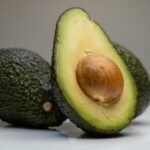
Avocado vs Vegetable Oil: Which Is Less Inflammatory?
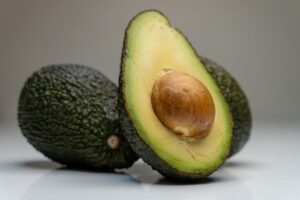
Avocado

Vegetable Oil
Avocado is less inflammatory than vegetable oil, and it is not close: avocado sits at the low end of the inflammation scale and vegetable oil near the top. Both are ways of getting fat into a meal, and they overlap more than they look: mashed avocado takes the place of oil on bread, in a creamy dressing and in some baking.
The main fat in an avocado is oleic acid, the same monounsaturated fat that gives olive oil its reputation, and it arrives with close to ten grams of fibre and almost no sugar. That fat also multiplies how much of the protective compounds in a salad your body takes up, so an avocado improves what you eat alongside it. In one trial, people who swapped part of the day’s carbohydrate for avocado had a lower inflammation marker after twelve weeks.
Vegetable oil brings fat and nothing else. Refining pulls the plant compounds out of the seed, so the bottle adds no fibre and no protective compounds to the plate, and most of this oil gets eaten inside fried and packaged food, which research ties to higher inflammation. That trap catches avocado too, because guacamole usually turns up next to fried chips cooked in the very oil it beats. Next time, put the avocado on toast or stir it into a dressing, and leave the fried chips out of the picture.
Side by side
| Avocado | Vegetable Oil | |
|---|---|---|
| Inflammation Score | Low · 2/10 | High · 7/10 |
| Category | Fruits | Oils & Fats |
| Serving size | 1/2 medium avocado (68 g) | 1 tbsp (14 g) |
| Key nutrients | Oleic acid, Fiber, Lutein, Potassium | Linoleic acid (omega-6), Oleic acid, Vitamin E (tocopherols), Alpha-linolenic acid |
| How often | Daily, half to one avocado | — |
On the AIP diet
Avocado
Avocado is allowed on the Autoimmune Protocol in every phase, elimination included. It is a fruit, so it stays clear of the grains, legumes, nuts, seeds, nightshades and dairy that come out. With dairy gone it also earns its place for texture: mashed avocado stands in for sour cream, for butter and for the creamy part of a dressing. Watch the quantity if you run a low-FODMAP overlay, because it can bloat.
Vegetable Oil
Vegetable oil is not allowed during the elimination phase of the Autoimmune Protocol. The protocol removes every seed and every seed oil, and soybean, rapeseed, sunflower and corn are all seeds. Refining leaves almost none of the seed protein in the bottle, so these oils are often reintroduced without trouble later on. Until then, olive oil and avocado oil cover the same jobs in a kitchen.
What each one brings
Avocado
- Mostly oleic acid, the same monounsaturated fat that gives olive oil its reputation
- The fat in it multiplies how much of the protective compounds in a salad you absorb
- Close to ten grams of fibre in a whole one, with almost no sugar
- Swapping part of the day's carbohydrate for avocado lowered an inflammation marker after twelve weeks
Vegetable Oil
- Neutral in flavour and stable enough for high-heat cooking
- Mostly unsaturated fat, unlike butter, lard and the other solid fats
- Carries vitamin E, which protects fats in the body from oxidising
- Rapeseed-based blends bring some alpha-linolenic acid, a plant omega-3
Watch out for
Avocado
- Around 230 calories in a whole one, a lot for something treated as a topping
- Most of it gets eaten as guacamole next to fried chips, and the chips undo the bowl
- High in the fermentable sugars that cause bloating, so a big portion can leave a sensitive gut uncomfortable
- Ready-made guacamole is often cut with cheap oil and thickeners
Vegetable Oil
- Refining strips out most of the plant compounds an unrefined oil carries
- Reaches most people as fried food, which does raise inflammation markers
- Breaks down into aldehydes when heated, and reusing the oil concentrates them
- The label names no single oil, so the blend can change between batches
Get the inflammation score of any meal
Just snap a photo or describe your food to get its inflammation score and uncover hidden patterns that may be affecting your well-being.