Corn vs Vegetable Oil: Which Is Less Inflammatory?
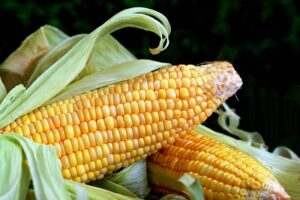
Corn

Vegetable Oil
Corn is less inflammatory than vegetable oil, though only by a point: corn sits in the middle of the inflammation scale and vegetable oil near the top. The two meet in the bottle, because corn oil is one of the oils blended into anything sold as vegetable oil. A cob and that bottle are not the same food.
Whole corn is a whole grain, and across the trials whole grains did not raise inflammation markers. Its yellow colour comes from lutein and zeaxanthin, two pigments that collect at the back of the eye, and a cob carries fibre that feeds the bacteria in your large intestine. Corn still lands in the middle of the scale, because most of it in a Western diet arrives as syrup, oil or refined flour. High-fructose corn syrup in particular is tied to blood sugar problems, and inflammation follows those.
Vegetable oil carries a problem corn does not: almost all of it reaches people inside fried food, and frying lifts the inflammation signals that show up in a blood test. Heat also breaks the oil down into compounds called aldehydes, and reusing the same oil in the pan concentrates them. Eat corn in the shape it grows, as a cob or frozen kernels, and keep it out of your diet as syrup in a drink or oil in a fryer.
Side by side
| Corn | Vegetable Oil | |
|---|---|---|
| Inflammation Score | Medium · 6/10 | High · 7/10 |
| Category | Grains | Oils & Fats |
| Serving size | 1 medium ear (90 g) | 1 tbsp (14 g) |
| Key nutrients | Lutein & zeaxanthin, Ferulic acid, Insoluble fibre, Linoleic acid (omega-6) | Linoleic acid (omega-6), Oleic acid, Vitamin E (tocopherols), Alpha-linolenic acid |
| How often | A few times a week, on the cob or as whole kernels | — |
On the AIP diet
Corn
Corn is not allowed on the Autoimmune Protocol. AIP takes out every grain during the elimination phase, and corn is one of the strictest, because it is among the grains people with autoimmune conditions most often report reacting to. It comes out in every form: cornflour, cornstarch, popcorn, corn oil and corn syrup all count. Grains return late, and corn is one plenty of people decide not to bring back at all.
Vegetable Oil
Vegetable oil is not allowed during the elimination phase of the Autoimmune Protocol. The protocol removes every seed and every seed oil, and soybean, rapeseed, sunflower and corn are all seeds. Refining leaves almost none of the seed protein in the bottle, so these oils are often reintroduced without trouble later on. Until then, olive oil and avocado oil cover the same jobs in a kitchen.
What each one brings
Corn
- Whole corn is a whole grain, and across the trials whole grains did not raise inflammation markers
- The yellow colour is lutein and zeaxanthin, the pigments that collect in the back of the eye
- A cob carries useful fibre, which feeds the bacteria in the large intestine
- Naturally free of gluten, so it works for coeliac disease
Vegetable Oil
- Neutral in flavour and stable enough for high-heat cooking
- Mostly unsaturated fat, unlike butter, lard and the other solid fats
- Carries vitamin E, which protects fats in the body from oxidising
- Rapeseed-based blends bring some alpha-linolenic acid, a plant omega-3
Watch out for
Corn
- Most corn in a Western diet arrives as syrup, oil or refined flour, and those are a different food
- High-fructose corn syrup is tied to blood sugar problems and the inflammation that follows
- Corn oil is heavy in omega-6 fat and cheap, so it ends up in most fried food
- Whole kernels are hard to digest for some people
Vegetable Oil
- Refining strips out most of the plant compounds an unrefined oil carries
- Reaches most people as fried food, which does raise inflammation markers
- Breaks down into aldehydes when heated, and reusing the oil concentrates them
- The label names no single oil, so the blend can change between batches
Get the inflammation score of any meal
Just snap a photo or describe your food to get its inflammation score and uncover hidden patterns that may be affecting your well-being.