
There’s no single food that causes chronic inflammation on its own. But a consistent list of inflammatory foods to avoid keeps showing up in the research connecting diet to it, and that list is baked into the standard American diet.
The foods most linked to inflammation are added sugar, refined carbohydrates, red and processed meat, fried foods, ultra-processed foods, alcohol, and too much salt.
None of that means any single food is dangerous in one serving. What the research points to is a pattern: eat these often enough, in place of whole foods, and low-grade inflammation tends to follow over months and years.
That’s different from an allergy or one bad meal, which is why the fix here is a swap, not a ban.
Main foods linked to inflammation:
- Added sugar and sugary drinks
- Refined carbohydrates
- Red and processed meat
- Fried foods and trans fats
- Ultra-processed and packaged foods
- Excess alcohol
- Too much salt
A few foods that get blamed for inflammation, eggs and chicken especially, usually don’t deserve it. This guide covers both sides: the foods worth cutting back on and why, the swap for each one, and the foods people worry about that the evidence doesn’t back up.
What makes a food inflammatory?
Refined carbs and added sugar are the most direct route in.
White bread, pastries, and anything loaded with added sugar spike blood sugar fast, and Houston Methodist points to that spike as the trigger: it activates pro-inflammatory pathways in the body, and over years of repeated spikes, it can contribute to insulin resistance. These are among the foods that increase inflammation most consistently for exactly that reason.
Fat balance matters too, not just sugar. Heavily processed foods tend to be loaded with omega-6 fats and light on omega-3s, and the typical Western diet runs closer to a 10:1 ratio of omega-6 to omega-3 than the roughly 2:1 ratio considered ideal. That imbalance activates inflammatory signaling.
Weight plays a role as well. A diet built around these foods tends to add calories without adding fullness, which drives weight gain, and fat cells themselves release inflammatory substances once they accumulate. It’s part of why the categories below tend to travel together rather than showing up in isolation.
The foods most likely to cause inflammation
These seven categories account for most of the inflammation-causing foods named by Harvard Health, Johns Hopkins Medicine, and Houston Methodist, and most people eat several of them in a single day without noticing.

Added sugar and sugary drinks
Soda, candy, and baked goods are the obvious sources, but added sugar also hides in foods that don’t taste sweet: bottled salad dressings, flavored yogurt, and jarred pasta sauce all carry it.
Harvard Health lists sugar-sweetened drinks among the clearest foods to limit, and the mechanism traces back to blood sugar: the more added sugar in a day, the more often it spikes, triggering the pathway described above. Water or unsweetened tea in place of soda covers the biggest single source, and reaching for fruit when a dessert craving hits adds fiber instead of a sugar spike.
Refined carbohydrates
White bread, pastries, white pasta, white rice, and sugary cereals lose most of their fiber in processing, which is part of why they spike blood sugar the same way added sugar does.
Harvard Health calls refined white flour directly pro-inflammatory, not just a lesser version of whole wheat. Swapping in whole grains (oats, barley, brown rice, whole-grain bread) restores the fiber that slows the spike, and it’s often the easiest change on this list since the format of the meal barely changes, only the grain does.
Red and processed meat
Bacon, sausage, hot dogs, deli and lunch meat, steak, and burgers show up on every major list here.
Red meat and especially processed meat also contain saturated fat, while processed meat adds high amounts of sodium and preservatives. Reaching for fish, poultry, or legumes more often than red meat, drawing from anti-inflammatory recipes built around those proteins, covers most of what the research points toward.
Fried foods and trans fats
French fries, fried chicken, and donuts pick up their fat from a fryer, and margarine, shortening, and lard pick theirs up from processing that creates trans fats along the way.
MD Anderson and Harvard Health both list these among the fats most tied to inflammation, and trans fats in particular show some of the clearest links in the research. Roasting, baking, or air-frying instead of deep-frying keeps the same food on the plate with far less of the fat that concerns researchers, and cooking with olive or avocado oil in place of margarine or shortening covers the rest.
Ultra-processed and packaged foods
Chips, cookies, crackers, and packaged pastries make up most of this category. These foods typically combine refined carbs, added sugar, and industrial fats in the same bite, stacking several of the mechanisms above instead of triggering just one.
Whole-food snacks, a handful of nuts, a piece of fruit, or plain yogurt, deliver the same convenience without stacking those effects, and they tend to keep hunger in check longer than a bag of chips does.
Excess alcohol
Alcohol promotes inflammation on its own, and it rarely arrives alone either: it’s often paired with sugary mixers or the kind of refined carbs that come with a late-night order, and the two effects compound instead of cancelling out.
Moderation is the most direct swap, and sparkling water with a splash of citrus fills the same evening ritual without the alcohol or the added sugar that so often rides along with it.
Too much salt
Most excess sodium doesn’t come from the salt shaker at home. It comes from processed and restaurant food, where sodium extends shelf life and boosts flavor cheaply, and high-sodium eating is one more contributor to inflammation.
Cooking at home more often puts sodium levels back under control, and swapping in herbs and spices, garlic, oregano, black pepper, turmeric, for a heavy hand with the shaker adds flavor without the load. Reading labels on canned soups, sauces, and frozen meals catches the sodium that hides in foods that don’t taste especially salty.
Foods people think cause inflammation but usually don’t
A few foods get blamed for inflammation more than the research supports, and separating those out matters just as much as the list above.
Eggs
Eggs aren’t generally considered an inflammatory food. A review of the research found no evidence that eggs raised inflammatory markers in the blood, and they bring vitamin D to the plate along with protein, a nutrient that’s genuinely hard to get from food.
Chicken
Chicken isn’t considered inflammatory either. One study looked at women with a BMI over 30 and found that those eating more chicken had lower inflammatory markers than those eating less, and chicken carries far less saturated fat than red or processed meat to begin with.
Gluten
Gluten is linked to inflammation for people with celiac disease or a gluten sensitivity, where it triggers a real immune response. For everyone else, the research hasn’t shown that gluten itself causes inflammation.
It often gets blamed by association: gluten rides along in refined carbs like white bread and pastries, which are inflammatory foods for their own reasons that have nothing to do with the gluten in them.
Dairy
Dairy can trigger an inflammatory response in people with a milk allergy or lactose intolerance. Outside of those conditions, research hasn’t shown that dairy causes inflammation, so a glass of milk or a serving of yogurt doesn’t carry the same concern as red meat or added sugar for most people.
Seed oils
Seed oils are the most genuinely mixed case on this list. Oils like sunflower oil are high in omega-6 fats, which have real benefits but can tip the omega-6 to omega-3 balance described earlier if they dwarf omega-3 intake. Balancing them with omega-3 foods (fish, walnuts, flaxseed) closes most of that gap, and olive or avocado oil is a safe default for anyone who’d rather sidestep the question altogether.
What to eat instead
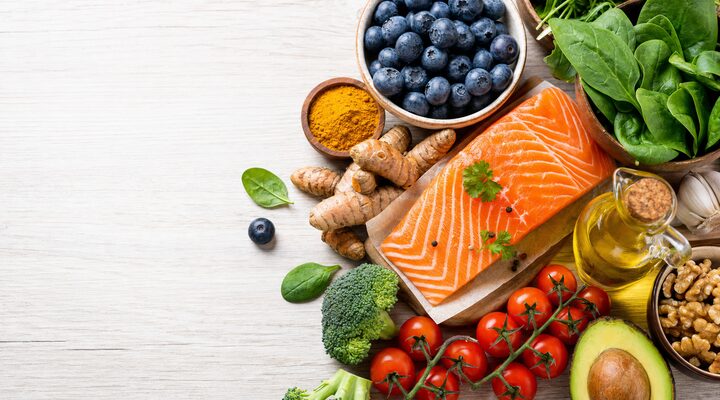
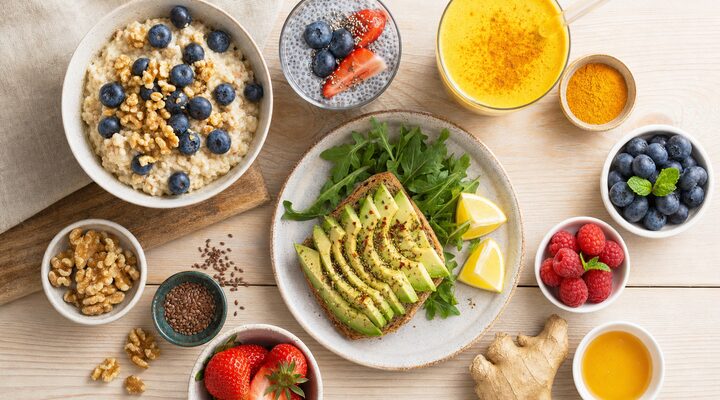
The same research that flags these foods points just as clearly toward what fights inflammation: vegetables, fruit, whole grains, legumes, fish, olive oil, nuts, and spices like turmeric and ginger.
None of the categories above need to disappear from a plate for good; they just work better as the occasional food instead of the daily default.
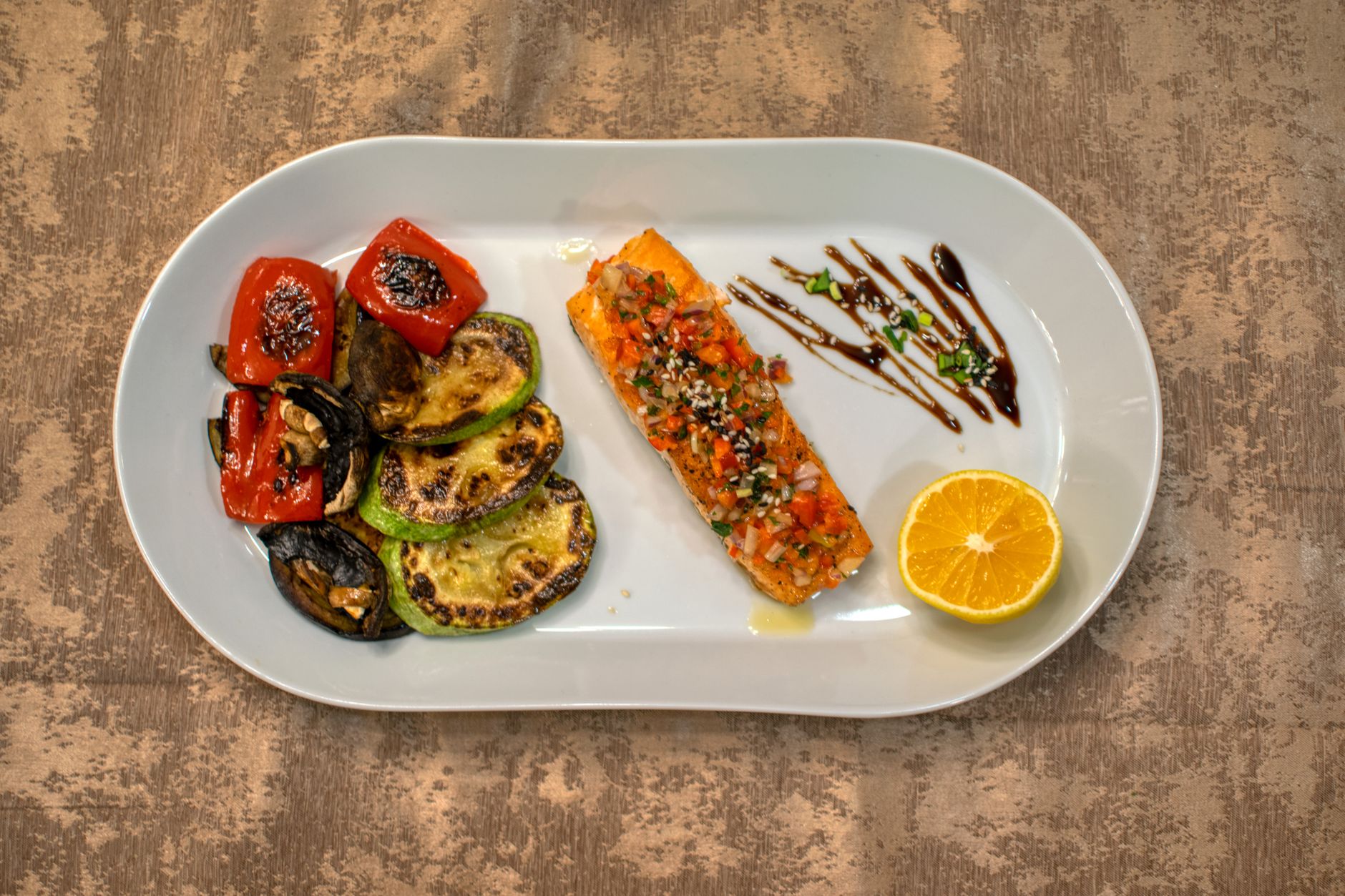
For the full picture of how those foods fit together into an actual eating pattern, not just a list, see how to build an anti-inflammatory diet plan. From there, our anti-inflammatory recipes turn the pattern into actual meals, including swaps for the categories above: trade the deli-meat sandwich for one of these anti-inflammatory lunches, or a fried dinner for an anti-inflammatory dinner.
Frequently asked questions
What are the top inflammatory foods?
Added sugar, refined carbohydrates, red and processed meat, fried foods, ultra-processed and packaged foods, excess alcohol, and too much salt are the foods that increase inflammation most consistently across scientific research. None of them causes inflammation from a single serving; the link shows up when they replace whole foods as a regular pattern.
What are the five worst foods for inflammation?
Red and processed meat, refined grains like white bread and white pasta, fried foods, sugar-sweetened drinks, and packaged snack foods make up the five categories named specifically as inflammatory food types. Other studies point to largely the same five, adding commercial baked goods and margarine or shortening to the list.
How do you flush inflammation out of your body?
There’s no food, drink, or supplement that flushes inflammation out of the body the way water flushes out a toxin, and treating the idea that literally tends to lead to disappointment. What the research supports instead is a sustained pattern: more vegetables, whole grains, fish, and healthy fats, less added sugar and ultra-processed food, kept up over months rather than days.
Do eggs cause inflammation?
Eggs aren’t generally considered an inflammatory food. Research found no evidence that eggs raise inflammatory markers in the blood, which puts them outside the group of foods, like red meat and added sugar, that the evidence more clearly links to inflammation.