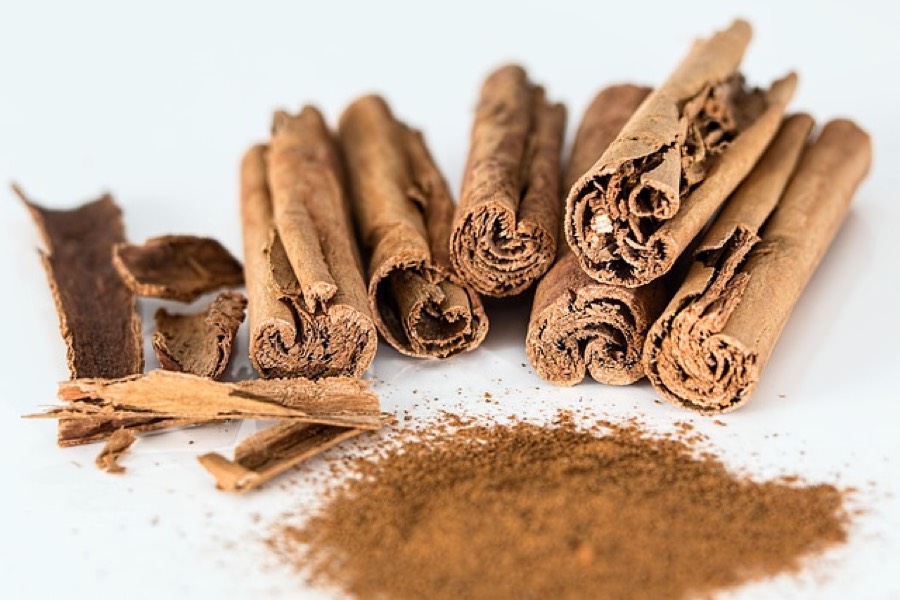
Cinnamon sticks, bark pieces and a pile of ground cinnamon on a white background

Cinnamon

Anti-InflammatorySpices & Herbs
Low
Inflammation Score
2/10
Anti-inflammatoryInflammatory
Serving size
1 tsp (2.6 g) ground
Key nutrients
CinnamaldehydeType-A procyanidinsManganeseCoumarin (cassia only)
How often
Daily, Ceylon if it is every day

Why cinnamon is anti-inflammatory

Yes, cinnamon is anti-inflammatory, and it sits near the bottom of the inflammation scale at 2 out of 10. The reason it is a 2 and not a 1 has nothing to do with how well it works. It has to do with which cinnamon is in your jar.

Almost every supermarket jar is cassia, the cheap bark grown in Indonesia and China. True cinnamon, called Ceylon, comes from Sri Lanka and costs several times more. The two taste close enough that most people never learn there is a difference. Inside, there is a big one. Cassia carries a compound called coumarin, and Ceylon has almost none. Coumarin is harmless in the amounts you get from seasoning a meal, but it is hard on the liver in large daily doses, and the safe daily intake European regulators settled on is low. For an average adult, a heaped teaspoon of cassia every day can already reach it. Sprinkling it on porridge is not the problem. Taking cinnamon capsules for months is, and those capsules are almost always cassia.

The effect itself is real, and smaller than the internet suggests. When scientists pooled the trials done on people, one to four grams of cinnamon powder a day lowered the main sign of inflammation that shows up in a blood test, and it strengthened the body’s own defences against cell damage. Then other researchers pooled those reviews together, and that main sign slipped to the edge of no change at all. What held up was the antioxidant effect, one of the other inflammation signals, and a steady drop in blood pressure. The people who gained most already had something going on: raised blood sugar, extra weight, a metabolic condition. So cinnamon is a flavour that quietly does you a small favour, not a remedy. If you are going to use it every day, pay for the Ceylon.

Cinnamon on the AIP diet

Cinnamon is allowed on the Autoimmune Protocol in every phase, elimination included. It is bark rather than a seed, which is the line AIP draws when it cuts cumin, coriander and mustard, so cinnamon stays alongside ginger and turmeric. It matters more than it sounds: with sugar and most sweet flavours gone, it is one of the few things left that makes an AIP breakfast taste like a treat. Buy Ceylon for this one.

Benefits

  • Lowered the main sign of inflammation in a blood test in pooled trials of 1 to 4 g a day
  • Raises the body's own defences against cell damage
  • Brought blood pressure down consistently across pooled reviews
  • Adds sweetness and warmth with no sugar at all, so it replaces something that works against you

Watch out for

  • Cassia, the jar in almost every supermarket, is high in coumarin and hard on the liver
  • A heaped teaspoon of cassia a day reaches the European safe limit
  • The effect on the main inflammation marker faded when reviewers pooled the reviews
  • It may add to blood sugar medication, so ask your doctor first

Get the inflammation score of any meal

Just snap a photo or describe your food to get its inflammation score and uncover hidden patterns that may be affecting your well-being.

Download on the App StoreGet it on Google Play
InflammaScan app

Frequently asked

Is cinnamon inflammatory?

No, cinnamon is anti-inflammatory. In pooled trials, one to four grams a day lowered the main sign of inflammation a doctor measures in a blood test and raised the body's own defences against cell damage. The effect is real, and modest.

What is the difference between Ceylon and cassia cinnamon?

Cassia is the cheap bark grown in Indonesia and China, and it is what almost every supermarket jar and most capsules contain. Ceylon comes from Sri Lanka, costs several times more and is sold as true cinnamon. They taste similar, but cassia is high in coumarin and Ceylon has almost none.

How much cinnamon a day is safe?

A sprinkle on food is fine for anyone. If you use cassia every day, a heaped teaspoon already reaches the safe intake limit European regulators set, because of the coumarin. Ceylon does not carry that ceiling, which is why it is the one to buy if cinnamon is a daily habit.

Is cinnamon allowed on the AIP diet?

Yes, in every phase. AIP removes seed-based spices like cumin and coriander, and cinnamon is bark, so it stays. It is one of the few sweet flavours the elimination phase leaves you.

The easiest way to follow an anti-inflammatory diet.

Identify inflammatory foods in seconds, log your symptoms and discover what’s inflaming you. Includes hundreds of recipes.

Download on the App StoreGet it on Google Play
InflammaScan app