Broccoli vs Spinach: Which Is Less Inflammatory?
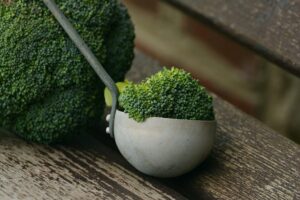
Broccoli
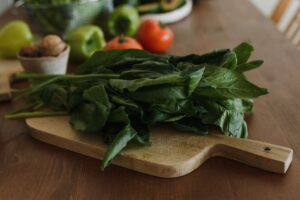
Spinach
Neither broccoli nor spinach is less inflammatory than the other: both score 1, the lowest mark on the inflammation scale. These are the two vegetables most people fall back on, and they end up in the same pan often enough that the real question is what each one adds.
Broccoli’s main compound, sulforaphane, does not exist in the floret until you cut or chew it. Once it does, it acts on your cells rather than on the meal, stepping up the enzymes your body uses to clear damage, so the effect runs on for hours after you have finished eating. A cup of broccoli also covers a day of vitamin C, with useful vitamin K and folate alongside it.
Spinach makes volume easy. A whole bag collapses into two forkfuls in a hot pan, so you can eat far more leaf than any salad would let you, and eating more plants in place of the foods that raise inflammation is the point of the whole exercise. Spinach is one of the best plant sources of magnesium, which most people fall short of, and it carries lutein and zeaxanthin, pigments that work against the cell damage feeding inflammation. One thing to know: spinach is high in oxalate, and that oxalate binds most of the iron it is famous for, so very little of that iron reaches you. Put both in the same week rather than the same pan. Roast a tray of broccoli one night, and wilt a bag of spinach into whatever you are cooking on another.
Side by side
| Broccoli | Spinach | |
|---|---|---|
| Inflammation Score | Low · 1/10 | Low · 1/10 |
| Category | Vegetables | Vegetables |
| Serving size | 1 cup chopped (91 g) | 1 cup cooked (180 g) |
| Key nutrients | Sulforaphane (from glucoraphanin), Vitamin C, Vitamin K, Folate | Magnesium, Vitamin K, Lutein and zeaxanthin, Folate |
| How often | Most days, a cup steamed rather than boiled | Most days, a couple of handfuls wilted into whatever you are cooking |
On the AIP diet
Broccoli
Broccoli is allowed on the Autoimmune Protocol from the first day of the elimination phase. It is a cruciferous vegetable, so it sits clear of the grains, legumes, nuts, seeds, nightshades and dairy that come out. It also earns its place: with rice, pasta and bread gone, a tray of roasted florets is one of the easiest ways to fill a plate.
Spinach
Spinach is allowed on the Autoimmune Protocol from the first day of the elimination phase. None of the groups that come out in that phase covers a leafy green: not grains, legumes, nuts, seeds, nightshades or dairy. It matters more here than in an ordinary diet, because elimination takes away beans and nuts, which is where most people get their magnesium, and spinach is one of the few sources left standing.
What each one brings
Broccoli
- Chopping or chewing it makes sulforaphane, which almost no other vegetable supplies
- That compound switches on your cells' own defences, so the effect outlasts the meal
- A cup covers a day of vitamin C, plus useful vitamin K and folate
- Cheap, sold all year round, and it freezes without falling apart
Spinach
- One of the best plant sources of magnesium, a mineral most people fall short of
- More vitamin K than almost any food, and people with plenty of it show less inflammation
- A bag cooks down to two forkfuls, so a big portion fits any meal
- Frozen is as good as fresh and costs a fraction of the bagged leaves
Watch out for
Broccoli
- Boiling destroys the enzyme that makes sulforaphane and leaches the rest into the water
- Frozen broccoli is blanched first, so that enzyme is already gone
- Cheese sauce and heavy dressings undo most of what the vegetable brings
- Its fibre and sulphur compounds leave some people bloated and windy
Spinach
- High in oxalates, which matters if you have ever had a kidney stone
- Spinach is famous for its iron, but its own oxalate blocks most of what it carries
- Creamed spinach and spinach dip are mostly butter, cream cheese and mayonnaise
- Green wraps and spinach pasta carry a pinch of powder for the colour, no more
Get the inflammation score of any meal
Just snap a photo or describe your food to get its inflammation score and uncover hidden patterns that may be affecting your well-being.