Broccoli vs Kale: Which Is Less Inflammatory?
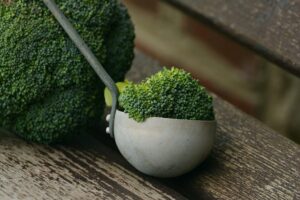
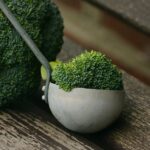
Broccoli
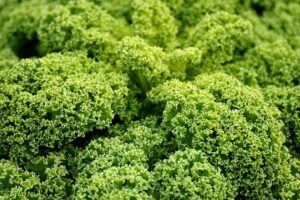
Kale
Neither broccoli nor kale is less inflammatory than the other: both score 1 on the inflammation scale. They are relatives, both from the cabbage family, and both release sulphur compounds the moment a knife or a tooth goes through them. They part ways on the compound each one leans on.
Broccoli’s claim rests on sulforaphane. Chop or chew a floret and an enzyme in the plant builds it on the spot. It does not get used up neutralising damage the way a vitamin does. It tells your cells to make more of their own protective enzymes, and that instruction keeps working after the meal is over. Broccoli is also cheap and on the shelf all year, which counts for more than most nutrition advice admits.
Kale leans on kaempferol, a flavonoid that most everyday foods carry only in traces, and it is the main reason the leaf scores where it does. One serving brings several days’ worth of vitamin K and plenty of vitamin C, and kale is low in oxalate, the plant acid that keeps spinach from handing over its minerals, so the calcium in a kale leaf does get absorbed. Buy both as the plain vegetable and cook them yourself. Bagged kale chips are fried and salted, which makes them a crisp, and bottled green juices usually carry a splash of kale behind much cheaper fruit.
Side by side
| Broccoli | Kale | |
|---|---|---|
| Inflammation Score | Low · 1/10 | Low · 1/10 |
| Category | Vegetables | Vegetables |
| Serving size | 1 cup chopped (91 g) | 1 cup cooked (130 g) |
| Key nutrients | Sulforaphane (from glucoraphanin), Vitamin C, Vitamin K, Folate | Kaempferol, Glucosinolates, Vitamin K, Vitamin C |
| How often | Most days, a cup steamed rather than boiled | Most days, a big handful cooked fast or massaged with oil for a salad |
On the AIP diet
Broccoli
Broccoli is allowed on the Autoimmune Protocol from the first day of the elimination phase. It is a cruciferous vegetable, so it sits clear of the grains, legumes, nuts, seeds, nightshades and dairy that come out. It also earns its place: with rice, pasta and bread gone, a tray of roasted florets is one of the easiest ways to fill a plate.
Kale
Kale is allowed on the Autoimmune Protocol from the first day of the elimination phase. It is a leafy green in the cabbage family, and nothing about it belongs to the groups that come out: grains, legumes, nuts, seeds, nightshades or dairy. Watch the extras rather than the leaf. Kale salads from a deli counter often arrive with cashews, parmesan or a mustard dressing, and all three are out in that phase.
What each one brings
Broccoli
- Chopping or chewing it makes sulforaphane, which almost no other vegetable supplies
- That compound switches on your cells' own defences, so the effect outlasts the meal
- A cup covers a day of vitamin C, plus useful vitamin K and folate
- Cheap, sold all year round, and it freezes without falling apart
Kale
- A rich everyday source of kaempferol, the flavonoid behind most of its anti-inflammatory reputation
- Cabbage-family sulphur compounds as well, released when you cut or chew a leaf
- Low in oxalate, unlike spinach, so the calcium it carries is actually absorbed
- Rich in vitamin C, and one serving carries several days' worth of vitamin K
Watch out for
Broccoli
- Boiling destroys the enzyme that makes sulforaphane and leaches the rest into the water
- Frozen broccoli is blanched first, so that enzyme is already gone
- Cheese sauce and heavy dressings undo most of what the vegetable brings
- Its fibre and sulphur compounds leave some people bloated and windy
Kale
- Its vitamin K interferes with warfarin and other blood thinners, so keep portions steady
- A long boil washes the flavonoids and sulphur compounds into the water
- Bagged kale chips are usually fried and salted, so treat them as a crisp
- Bottled green juices often carry a splash of kale behind cheaper fruit
Get the inflammation score of any meal
Just snap a photo or describe your food to get its inflammation score and uncover hidden patterns that may be affecting your well-being.