Broccoli vs Cauliflower: Which Is Less Inflammatory?
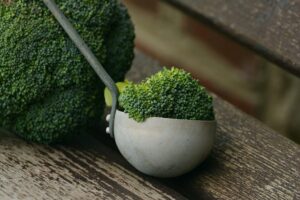
Broccoli
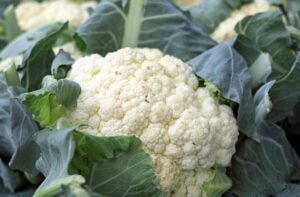
Cauliflower
Broccoli is less inflammatory than cauliflower, but only just: both are anti-inflammatory, one point apart on the inflammation scale. They are the same plant bred into two different heads, they sit beside each other in the shop, and they roast on the same tray at the same temperature.
Broccoli takes the extra point for sulforaphane, a compound almost no other vegetable supplies. It is not sitting in the floret waiting for you. Chopping or chewing sets off an enzyme in the plant that makes it, and sulforaphane then switches on the defences your own cells use against damage, so the effect carries on after the meal is over.
Cauliflower brings the sulphur compounds shared by the whole cabbage family, and a cup of raw florets covers more than half a day of vitamin C. It gives up ground on colour, because a white head holds none of the pigments its green and purple relatives use against cell damage. Cauliflower pays that back in another way: riced or mashed, it replaces rice and potato on the plate, and both of those lift blood sugar much faster than cauliflower does. Cook either one without boiling it, since boiling kills the enzyme behind sulforaphane and sends the rest of the good compounds into water you pour down the sink. Steam or roast instead, and buy broccoli fresh, because frozen florets are blanched first and that enzyme is already gone.
Side by side
| Broccoli | Cauliflower | |
|---|---|---|
| Inflammation Score | Low · 1/10 | Low · 2/10 |
| Category | Vegetables | Vegetables |
| Serving size | 1 cup chopped (91 g) | 1 cup chopped (107 g) |
| Key nutrients | Sulforaphane (from glucoraphanin), Vitamin C, Vitamin K, Folate | Glucosinolates (sinigrin), Vitamin C, Vitamin K, Fibre |
| How often | Most days, a cup steamed rather than boiled | Most days, a cup or two roasted, riced or raw |
On the AIP diet
Broccoli
Broccoli is allowed on the Autoimmune Protocol from the first day of the elimination phase. It is a cruciferous vegetable, so it sits clear of the grains, legumes, nuts, seeds, nightshades and dairy that come out. It also earns its place: with rice, pasta and bread gone, a tray of roasted florets is one of the easiest ways to fill a plate.
Cauliflower
Cauliflower is allowed through every phase of the Autoimmune Protocol, elimination included. It is a plain vegetable, and none of the food groups the protocol takes out apply to it. It also earns its place: riced or mashed, it stands in for the rice and potato you have just given up, which is the hardest part of the first weeks. Frozen bags work, if cauliflower is the only ingredient.
What each one brings
Broccoli
- Chopping or chewing it makes sulforaphane, which almost no other vegetable supplies
- That compound switches on your cells' own defences, so the effect outlasts the meal
- A cup covers a day of vitamin C, plus useful vitamin K and folate
- Cheap, sold all year round, and it freezes without falling apart
Cauliflower
- Chopping or chewing it releases the sulphur compounds of the cabbage family
- A cup of raw florets covers over half a day of vitamin C
- Riced or mashed, it stands in for rice and potato without the starch
- Cheap all year, and frozen bags are usually cauliflower and nothing else
Watch out for
Broccoli
- Boiling destroys the enzyme that makes sulforaphane and leaches the rest into the water
- Frozen broccoli is blanched first, so that enzyme is already gone
- Cheese sauce and heavy dressings undo most of what the vegetable brings
- Its fibre and sulphur compounds leave some people bloated and windy
Cauliflower
- Boiling sends the glucosinolates and antioxidants into water that gets poured away
- The white head has none of the coloured antioxidants of its purple and green relatives
- Cauliflower cheese turns a light vegetable into a dish heavy on fat and salt
- Pizza bases made with it often list flour or starch before the cauliflower
Get the inflammation score of any meal
Just snap a photo or describe your food to get its inflammation score and uncover hidden patterns that may be affecting your well-being.