Asparagus vs Broccoli: Which Is Less Inflammatory?
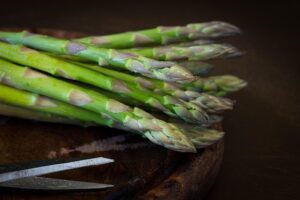
Asparagus
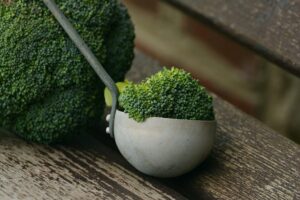
Broccoli
Broccoli is less inflammatory than asparagus, but only just: both are anti-inflammatory, one point apart on the inflammation scale. This is a choice between two good vegetables that do the same job on a plate, and they each work on inflammation from a different direction.
Asparagus works mainly on the gut. Its fibre is inulin, which your own body cannot break down, so it reaches the large intestine whole and feeds the bacteria that live there. A cooked cup covers most of a day’s folate and a good share of vitamin K, and it carries rutin, a plant compound that works against cell damage. The catch is the same fibre: in people who rarely eat it, it ferments and causes gas, so start with a small portion.
Broccoli takes the extra point through sulforaphane, which few other vegetables can give you. It does not act on inflammation directly. It switches on the defences your cells build for themselves, so one meal keeps paying off for hours afterwards. Asparagus is still worth its place in your week, and if you have only ever boiled it, grill or roast it this time with a little olive oil and salt, because boiling sends its fibre and vitamin C into water you end up pouring away.
Side by side
| Asparagus | Broccoli | |
|---|---|---|
| Inflammation Score | Low · 2/10 | Low · 1/10 |
| Category | Vegetables | Vegetables |
| Serving size | 1 cup cooked (180 g) | 1 cup chopped (91 g) |
| Key nutrients | Inulin (fructans), Rutin, Folate, Vitamin K | Sulforaphane (from glucoraphanin), Vitamin C, Vitamin K, Folate |
| How often | A few times a week, roasted or steamed rather than boiled | Most days, a cup steamed rather than boiled |
On the AIP diet
Asparagus
Asparagus is allowed on the Autoimmune Protocol from the first day of the elimination phase. It is a plain vegetable, not a grain, legume, nut, seed, nightshade or dairy, so nothing about it is restricted. One practical note: its fibre is fermented by your gut bacteria and can leave you gassy, so keep the portion modest at first and see how you feel.
Broccoli
Broccoli is allowed on the Autoimmune Protocol from the first day of the elimination phase. It is a cruciferous vegetable, so it sits clear of the grains, legumes, nuts, seeds, nightshades and dairy that come out. It also earns its place: with rice, pasta and bread gone, a tray of roasted florets is one of the easiest ways to fill a plate.
What each one brings
Asparagus
- Carries inulin, a fibre your gut bacteria feed on rather than your own body
- A cup cooked covers most of a day's folate and a good share of vitamin K
- Very low in calories, so it fills out a plate without adding much else
- Works roasted, steamed or grilled, and needs nothing more than oil and salt
Broccoli
- Chopping or chewing it makes sulforaphane, which almost no other vegetable supplies
- That compound switches on your cells' own defences, so the effect outlasts the meal
- A cup covers a day of vitamin C, plus useful vitamin K and folate
- Cheap, sold all year round, and it freezes without falling apart
Watch out for
Asparagus
- Boiling leaches the fibre and vitamin C into water most people pour away
- The same fibre that feeds gut bacteria causes gas and bloating in some people
- Canned and jarred spears are often packed in a lot of salt
- Hollandaise and cheese sauces add far more than the vegetable brings
Broccoli
- Boiling destroys the enzyme that makes sulforaphane and leaches the rest into the water
- Frozen broccoli is blanched first, so that enzyme is already gone
- Cheese sauce and heavy dressings undo most of what the vegetable brings
- Its fibre and sulphur compounds leave some people bloated and windy
Get the inflammation score of any meal
Just snap a photo or describe your food to get its inflammation score and uncover hidden patterns that may be affecting your well-being.