Cumin vs Turmeric: Which Is Less Inflammatory?
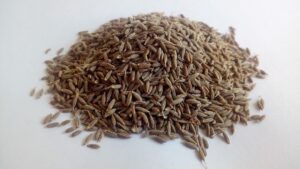
Cumin
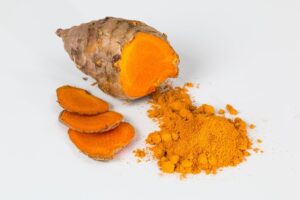
Turmeric
Turmeric is less inflammatory than cumin, but only just: both are anti-inflammatory, one point apart on the inflammation scale. Both are ground spices you reach for when a dish needs warmth, from curries to roasted vegetables.
Turmeric comes out ahead because its evidence in people is more solid than cumin’s. Its curcumin, the pigment that gives it the yellow colour, lowered the main inflammation markers in blood tests. Cumin acts through its cuminaldehyde, the compound behind the smell, which blocks an enzyme that helps start inflammation. But the human evidence for cumin uses concentrated oil in capsules rather than the spice you cook with, and in that trial the inflammation markers in the blood did not move.
If you cook with cumin, you do not need to drop it. Just add turmeric alongside it, with black pepper and a little fat, because curcumin is poorly absorbed on its own.
Side by side
| Cumin | Turmeric | |
|---|---|---|
| Inflammation Score | Low · 2/10 | Low · 1/10 |
| Category | Spices & Herbs | Spices & Herbs |
| Serving size | 1 tsp (2.1 g) ground | 1 tsp (3 g) ground |
| Key nutrients | Cuminaldehyde, Gamma-terpinene, Luteolin, Iron | Curcumin, Manganese, Iron, Vitamin B6 |
| How often | Daily, whole seeds toasted and ground | Daily, with black pepper |
On the AIP diet
Cumin
Cumin is out during the elimination phase of the Autoimmune Protocol. AIP cuts the seed spices, and cumin is a seed ground whole, so it goes the same way as coriander, fennel and mustard. Seed spices are usually among the earlier foods people try again once elimination is over. Turmeric, ginger and garlic are all allowed, and a curry still works with those alone.
Turmeric
Turmeric is allowed on the Autoimmune Protocol in every phase. It comes from a rhizome, not a seed, which is the line AIP draws when it eliminates seed-based spices like cumin and coriander.
What each one brings
Cumin
- Cuminaldehyde, the compound behind the smell, blocks an enzyme that helps start inflammation
- Capsules of cumin oil raised antioxidant defences and lowered a sign of cell damage
- Adds warmth and depth to a dish with no salt, sugar or fat
- Unusually rich in iron for a spice, at over a milligram in a teaspoon
Turmeric
- Lowers CRP, TNF-α and IL-6 in pooled trial data
- Raises total antioxidant capacity and superoxide dismutase activity
- Studied specifically for joint pain in rheumatoid arthritis
- Allowed in every phase of the AIP protocol
Watch out for
Cumin
- Human evidence uses concentrated cumin oil in capsules, not the spice you cook with
- In that trial the inflammation markers in the blood did not move
- Not allowed in the elimination phase of AIP, along with the other seed spices
- Ground cumin loses its oil within months, and most of its smell with it
Turmeric
- Curcumin is poorly absorbed on its own, pair it with black pepper and a little fat
- High-dose supplements can interact with blood thinners
- Some ground turmeric has been found adulterated with lead chromate; buy from a source you trust
Get the inflammation score of any meal
Just snap a photo or describe your food to get its inflammation score and uncover hidden patterns that may be affecting your well-being.