Cilantro vs Cumin: Which Is Less Inflammatory?
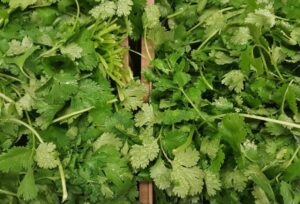
Cilantro
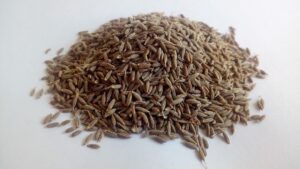
Cumin
Neither cilantro nor cumin is less inflammatory than the other: both score 2 on the inflammation scale. They meet in the same pan, cumin going in early with the onions and cilantro scattered over the top at the end, and each one earns its score on what it contains rather than on what it has done in people.
Cilantro brings quercetin, a flavonoid that lowers inflammatory signals in laboratory work, and coriander extract brought swelling and inflammation messengers down in animals. Both of those sit a step away from a person eating the leaf, and you eat cilantro by the tablespoon, so the amount is small either way. It still adds a lot of flavour to a dish with no salt, sugar or fat behind it.
Cumin works through cuminaldehyde, the compound behind its smell, which blocks an enzyme the body uses to start inflammation. Capsules of cumin oil raised antioxidant defences and lowered a sign of cell damage, but the inflammation markers in the blood of the people taking them did not move, and a capsule of concentrated oil is not a teaspoon of ground seed. Use both in the same dish this week, the cumin toasted in the pan first and the cilantro thrown in off the heat. If you are in the elimination phase of the autoimmune protocol, keep the cilantro and leave the cumin out, because that phase takes out seed spices and leaf herbs stay in.
Side by side
| Cilantro | Cumin | |
|---|---|---|
| Inflammation Score | Low · 2/10 | Low · 2/10 |
| Category | Spices & Herbs | Spices & Herbs |
| Serving size | 1/4 cup chopped (4 g) | 1 tsp (2.1 g) ground |
| Key nutrients | Quercetin, Vitamin K, Beta-carotene | Cuminaldehyde, Gamma-terpinene, Luteolin, Iron |
| How often | Daily, stirred in at the end | Daily, whole seeds toasted and ground |
On the AIP diet
Cilantro
Cilantro is allowed from the first day of the AIP elimination phase. The Autoimmune Protocol takes out every spice made from a seed, which is why coriander seed, cumin and mustard go, but leaf herbs stay in. Cilantro sits there with parsley, basil and mint, fresh or frozen. If the jar says coriander and holds small brown round seeds, that is the part to leave out.
Cumin
Cumin is out during the elimination phase of the Autoimmune Protocol. AIP cuts the seed spices, and cumin is a seed ground whole, so it goes the same way as coriander, fennel and mustard. Seed spices are usually among the earlier foods people try again once elimination is over. Turmeric, ginger and garlic are all allowed, and a curry still works with those alone.
What each one brings
Cilantro
- Carries quercetin, a flavonoid that lowers inflammatory signals in laboratory work
- Coriander extract brought swelling and inflammation messengers down in animal tests
- Adds a lot of flavour to a dish with no salt, sugar or fat
- Allowed from day one of the AIP elimination phase
Cumin
- Cuminaldehyde, the compound behind the smell, blocks an enzyme that helps start inflammation
- Capsules of cumin oil raised antioxidant defences and lowered a sign of cell damage
- Adds warmth and depth to a dish with no salt, sugar or fat
- Unusually rich in iron for a spice, at over a milligram in a teaspoon
Watch out for
Cilantro
- The evidence comes from extracts and animals, not from people eating the herb
- You eat it by the tablespoon, so the amounts are small
- Dried cilantro loses the compounds that carry its smell
- Leaves grown close to the soil trap grit and need a proper wash
Cumin
- Human evidence uses concentrated cumin oil in capsules, not the spice you cook with
- In that trial the inflammation markers in the blood did not move
- Not allowed in the elimination phase of AIP, along with the other seed spices
- Ground cumin loses its oil within months, and most of its smell with it
Get the inflammation score of any meal
Just snap a photo or describe your food to get its inflammation score and uncover hidden patterns that may be affecting your well-being.