Ginger vs Turmeric: Which Is Less Inflammatory?

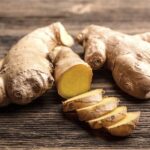
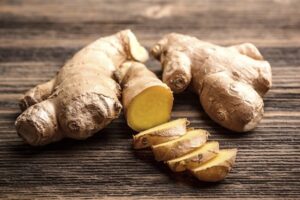
Ginger

Ginger

LOW
Inflammation Score 1/10
Tie
VS
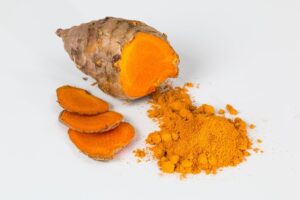
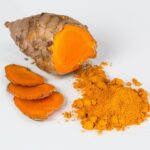
Turmeric

Turmeric

LOW
Inflammation Score 1/10
Tie

Neither ginger nor turmeric is less inflammatory than the other: both sit at the very bottom of the scale. They come from the same part of the plant, the thick root-like stem, and both are welcome on the autoimmune protocol from day one.

Where they differ is the job each one does best. Ginger settles nausea and moves a heavy stomach along, and that is its strongest use by far. Turmeric is the one studied for aching joints, and the part that does the work is poorly absorbed on its own. Grate both into the same pan this week, and give the turmeric a pinch of black pepper and a spoonful of oil to travel with.

Side by side

GingerTurmeric
Inflammation ScoreLow · 1/10Low · 1/10
CategorySpices & HerbsSpices & Herbs
Serving size1 tsp (5 g) grated fresh1 tsp (3 g) ground
Key nutrientsGingerols (6-gingerol), Shogaols, Manganese, PotassiumCurcumin, Manganese, Iron, Vitamin B6
How oftenDaily, fresh or driedDaily, with black pepper

On the AIP diet

Allowed

Ginger

Ginger is allowed on the Autoimmune Protocol from day one and stays through every phase. It is a rhizome rather than a seed, so it escapes the cull that removes cumin, coriander and mustard, and it ends up doing a lot of heavy lifting once pepper and chilli are off the table. It is also the flavour most AIP cooks reach for when nausea or sluggish digestion flares up.

Allowed

Turmeric

Turmeric is allowed on the Autoimmune Protocol in every phase. It comes from a rhizome, not a seed, which is the line AIP draws when it eliminates seed-based spices like cumin and coriander.

What each one brings

Ginger

  • Lowers the signs of inflammation that show up in a routine blood test
  • Strengthens the body's own defences against cell damage
  • Calms nausea, which is its best-established use of all
  • Speeds up stomach emptying, which eases bloating and heaviness after meals

Turmeric

  • Lowers CRP, TNF-α and IL-6 in pooled trial data
  • Raises total antioxidant capacity and superoxide dismutase activity
  • Studied specifically for joint pain in rheumatoid arthritis
  • Allowed in every phase of the AIP protocol

Watch out for

Ginger

  • Large amounts can bring heartburn or a burning stomach
  • It may add to the effect of blood-thinning medication, so ask your doctor first
  • Concentrated extracts are far stronger than the root, and that is where side effects turn up
  • The joint pain claim it is sold on is the weakest part of the evidence

Turmeric

  • Curcumin is poorly absorbed on its own, pair it with black pepper and a little fat
  • High-dose supplements can interact with blood thinners
  • Some ground turmeric has been found adulterated with lead chromate; buy from a source you trust

Get the inflammation score of any meal

Just snap a photo or describe your food to get its inflammation score and uncover hidden patterns that may be affecting your well-being.


Download on the App StoreGet it on Google Play
InflammaScan app

Learn more about each food