Tahini
Why tahini is anti-inflammatory
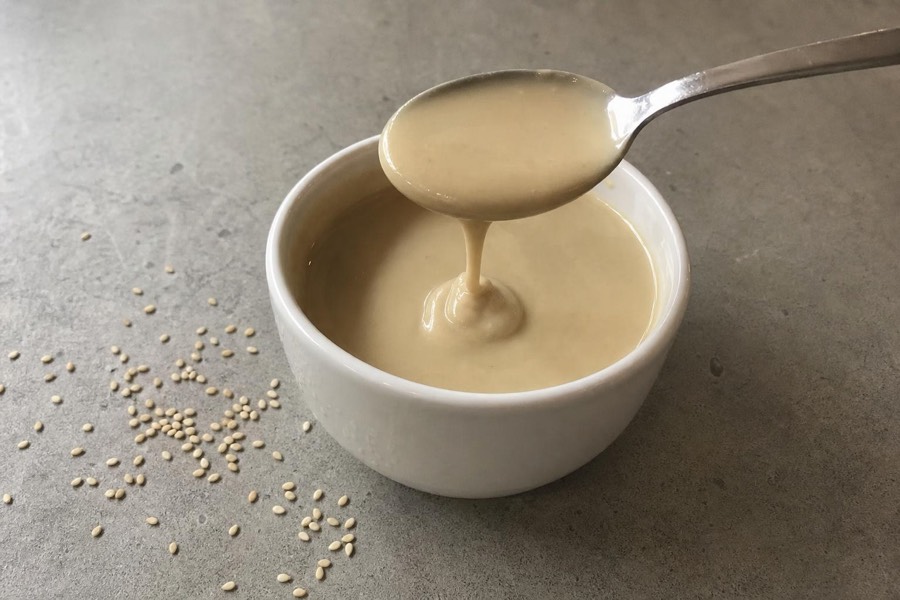
Tahini is anti-inflammatory largely because of sesamin, the main lignan in sesame seeds. Lignans are plant compounds that act as antioxidants: they slow the chemical damage that builds up inside cells, and that damage is one of the things the immune system reacts to. Tahini is sesame seeds milled to a paste and nothing else, so the sesamin ends up in the jar.
Trials that fed people sesame have been pooled together, and the result is mixed: one inflammation marker in the blood came down, two others did not move. The clearest falls came from studies giving sesamin as a capsule rather than sesame as food, so part of that effect belongs to the compound and not to the paste.
Half of tahini is fat, most of it unsaturated, and that fat comes with the fibre and magnesium of the whole seed. Pressing oil from the same seed leaves both behind, which is why sesame oil sits higher up our inflammation scale.
Read the ingredients before you buy. Plain tahini lists sesame seeds and sometimes salt, while the sweetened sesame spreads sold beside it are mostly sugar. Jars made from unhulled seeds look darker and taste more bitter, and they carry more fibre and calcium than the pale hulled kind.
Loosen a spoonful with cold water and lemon juice to pour over vegetables, or stir it into soup to thicken it. An open jar keeps better in the fridge: the fat goes rancid in a warm cupboard and the taste turns sharp.

Tahini on the AIP diet
Tahini is out during the elimination phase of the Autoimmune Protocol, which removes every nut and seed, sesame included. Blended avocado, or coconut cream loosened with lemon, does the same job in a dressing. Seeds come back fairly early in the reintroduction, and a plain jar with one ingredient makes a cleaner test than a dip that mixes tahini with several other foods.
Benefits
- Ground whole sesame seeds, so the lignans, fibre and minerals stay in the jar
- Pooled trials found one blood marker of inflammation lower after eating sesame
- Mostly unsaturated fat, and a plain jar has no added sugar or oil
- Brings magnesium and copper, which the oil pressed from the seed leaves behind
Watch out for
- Sesame is a major food allergen and reactions to it can be severe
- Sweetened sesame spreads sit on the same shelf and are mostly sugar
- Two tablespoons carry around 180 calories and go down quickly
- The fat goes rancid in a warm cupboard, which turns the taste sharp
Frequently asked
Is tahini inflammatory?
No, plain tahini is anti-inflammatory. It is ground sesame seeds, so it carries the seed's lignans, unsaturated fat, fibre and minerals. What changes the answer is the rest of the jar: sweetened sesame spreads are mostly sugar, and that is what moves a jar.
Is tahini better than sesame oil?
For inflammation, yes. Tahini is the whole seed ground up, so the fat arrives with the fibre, the magnesium and the lignans. Sesame oil is that fat pressed out with the rest left behind, which is why it sits higher up our inflammation scale. The oil still wins for frying, where the paste would burn.
What should you look for on a tahini label?
Sesame seeds, and salt if you want it. Sugar, syrups and added oils are the ones to leave on the shelf. Darker, more bitter jars are made from unhulled seeds and carry more fibre and calcium. Once open, a jar keeps best in the fridge, because the fat goes rancid in a warm cupboard.
Is tahini allowed on the AIP diet?
No, not during the elimination phase, which takes out every nut and seed, sesame with them. Blended avocado or coconut cream fills the same gap in a dressing. Seeds are usually reintroduced fairly early once symptoms settle, and a plain jar with one ingredient makes a cleaner test than a mixed dip.
Anti-inflammatory recipes with Tahini

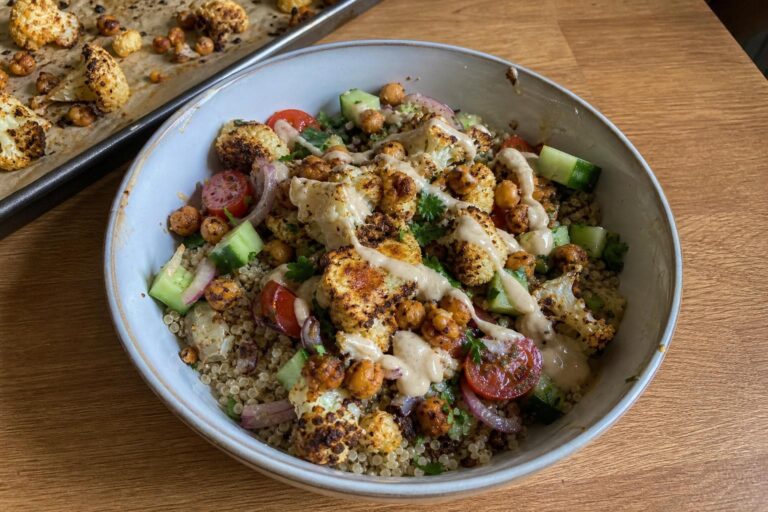
Roasted Cauliflower and Chickpea Shawarma Bowls Recipe

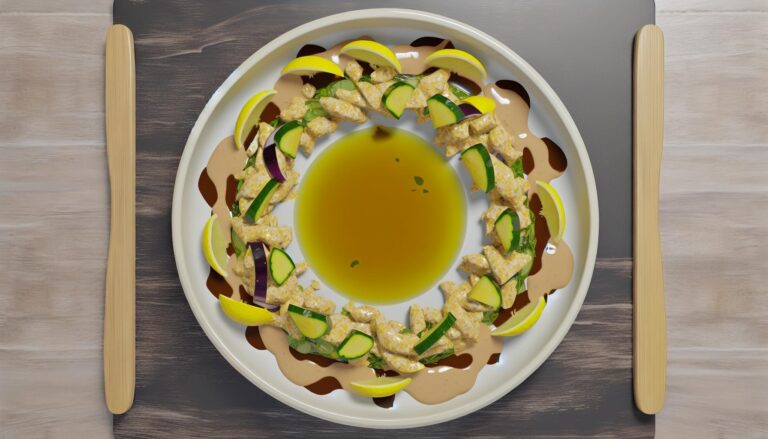
Zesty Lemon Tahini Dressing Recipe

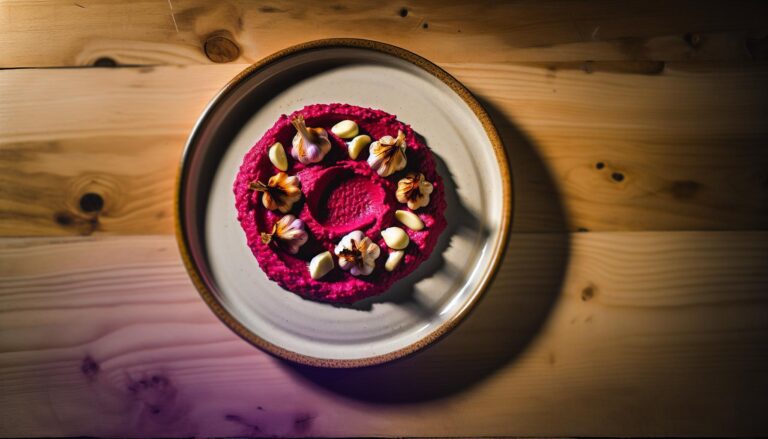
Roasted Garlic and Beet Hummus Recipe

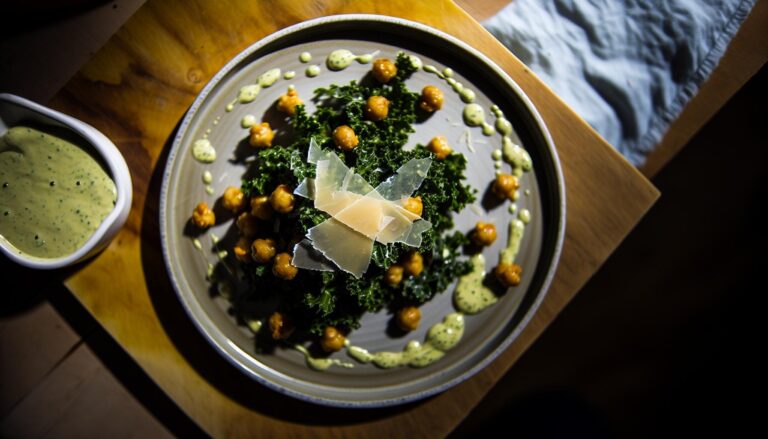
Roasted Chickpea and Kale Caesar Recipe

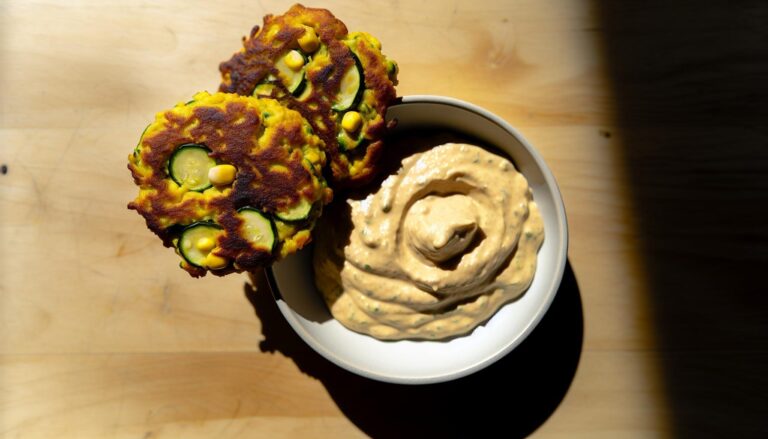
Zucchini Corn Fritters with Tahini Dip Recipe